The controversy ignited after the Central Elections Committee (CEC), chaired by Justice Noam Sohlberg, directed the Shin Bet (Israel’s internal security service) to investigate “severe suspicions” of improper influence through foreign funding. The directive cited reports of cash envelopes and voting slips for the Ra’am party being intercepted, as well as suspected funding channels linked to networks associated with terrorist organizations. In response, National Security Minister Itamar Ben-Gvir called for the immediate arrest of Arab party leaders and figures linked to the Muslim Brotherhood, stating, “provided there is a legal basis for their arrest,” the Shin Bet should act “as early as this morning.”
Netanyahu, whose Likud-led right-wing bloc failed to reach the 61-seat threshold required for a parliamentary majority, wrote on social media that the election had been “stolen by Arab parties that support terrorism and the elimination of the Jewish state.” He detailed a series of alleged criminal offenses, including bribery, threats, violence against polling station staff, and the use of prohibited software to mobilize voters. Likud claimed to be transferring “hundreds of testimonies and pieces of evidence” to the police, the Shin Bet, and the CEC, demanding a thorough investigation and the “full prosecution of the criminals.”
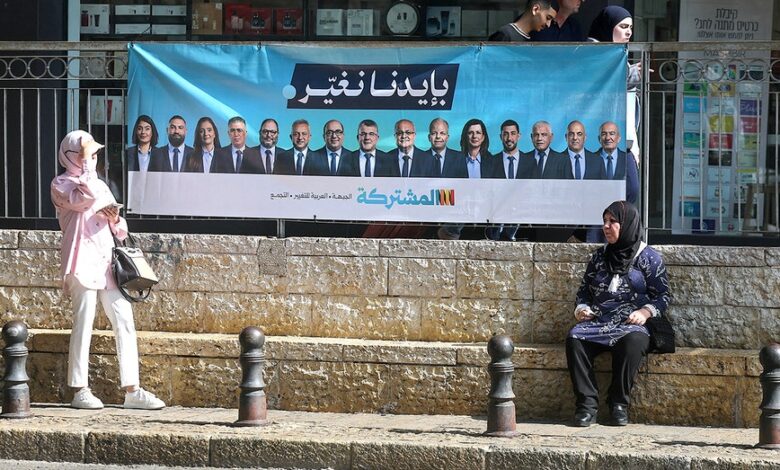
The political stakes are high given the preliminary results of the October 27 election. The Joint List, an alliance of the Hadash, Ta’al, and Balad parties, is projected to win 12 seats, while Ra’am, led by Mansour Abbas and affiliated with the Southern Branch of the Islamic Movement, is projected to win seven. With both Netanyahu’s right-wing coalition and the opposition centrist bloc led by Gadi Eisenkot falling short of a majority, these 19 seats represent a critical bargaining chip. According to Fahad Abushaqa, an analyst with the Mitvim Institute, Arab citizens constitute approximately 21% of Israel’s population, and their near-record turnout of 75% to 80% underscores their growing political influence.
Opposition figures have reacted to the allegations with a mix of support for an investigation and accusations of political manipulation. Gadi Eisenkot, leader of the newly formed centrist party Yashar, stated that while the state must protect the integrity of the elections, political actors must not exploit the situation to delay the swearing-in of the new government. “The State of Israel must do everything in its power to protect the integrity of the elections… thoroughly investigate every complaint,” Eisenkot’s spokesperson said. However, Democrats party chairman Yair Golan accused Likud of “weaponizing state institutions” to delegitimize the election results. Golan argued that Netanyahu was attempting to challenge the public’s will and noted that the most significant Qatari involvement had previously occurred within Netanyahu’s own office.
Other members of the coalition and opposition have weighed in on the matter. Finance Minister Bezalel Smotrich and Yisrael Beytenu chairman Avigdor Liberman both described the situation as a “testing ground for the State of Israel,” with Liberman calling for the immediate investigation of Arab party leaders. Transportation Minister Miri Regev characterized the alleged interference as a “terror event intended to seize control of the Israeli Knesset.” Conversely, United Torah Judaism MK Yaakov Asher used the controversy to criticize secular society, suggesting that while the state focused on internal divisions, suspicions of vote-buying by enemy states were being exposed.
Political analysts suggest that the allegations may be part of a broader strategy to prevent a coalition that includes Arab parties. Dahlia Scheindlin, a senior analyst at Haaretz and former policy fellow at the Mitvim Institute, noted that Netanyahu’s campaign consistently framed the opposition as preparing to form a government dependent on Arab support, which he argued would lead to the establishment of a Palestinian state. To counter this, leading Zionist opposition parties have pledged not to build a coalition that relies on Arab votes, either internally or externally. Eisenkot, who has outlined conditions for coalition building including recognizing Israel as a Jewish and democratic state, has reportedly prepared for the possibility of forming a minority government if the Zionist parties fail to reach the majority threshold, though this remains a contentious issue among potential coalition partners.
The investigation by the Shin Bet and the CEC will now determine whether these allegations constitute a legal basis for invalidating votes or prosecuting individuals. The next formal step lies with the Central Elections Committee, which must review the findings of the security agencies before the Knesset can officially convene. Until then, the political landscape remains suspended in a deadlock, with the integrity of the electoral process under intense scrutiny from all sides.