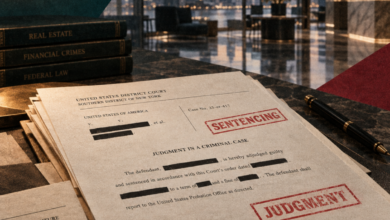
The legal outcome was determined not by a jury’s verdict, but by a plea agreement reached in August of the previous year. Zambada pleaded guilty to a charge of committing a continuing criminal enterprise, a federal statute that functions as a catch-all provision encompassing 85 specific violations of the law. As part of this plea, he agreed to the mandatory life imprisonment and the forfeiture of $15 billion in drug trade profits. The plea deal came after the U.S. Department of Justice announced it would not seek the death penalty, a decision that allowed the case to proceed to sentencing rather than a trial.
In his plea, Zambada admitted to being responsible for the shipment of at least 1.5 million kilograms of cocaine, along with vast quantities of heroin and fentanyl. Federal prosecutors in the Eastern District of New York outlined the scale of his operations in a sentencing memo, stating that it would be “difficult to overstate the magnitude of the defendant’s crimes and scale of the corruption, violence, and other harm he spread throughout Mexico, the United States, and the world.” The charges detailed that Zambada, alongside Joaquín “El Chapo” Guzmán Loera, co-founded the Sinaloa Cartel and oversaw the trafficking of millions of kilograms of lethal drugs, including cocaine, fentanyl, and methamphetamine.
Before the judge delivered the sentence, Zambada read a public statement aloud in court. He acknowledged the “grave harm that illegal drugs have done to the people of the United States, of Mexico and elsewhere,” as well as the “human toll of the violence and lawlessness” associated with his organization. In the statement, Zambada offered an explanation for his decision to plead guilty rather than go to trial: “I did not go to trial because I did not want to deny the truth.” He further urged the next generation of drug traffickers to “choose a different path” and called for an end to the violence that has plagued the region for decades.
The defense argued that Zambada’s cooperation spared the judicial system the burden of a lengthy trial and helped protect the safety of potential witnesses who would not need to be disclosed or called to testify. However, federal prosecutors emphasized that Zambada represents “serious security concerns.” In their memorandum to the court, they noted that the defendant is the co-founder of an organization that employed armed sicarios who assaulted, tortured, and murdered, and paid millions in bribes at all levels of the Mexican government. Prosecutors highlighted that many members of the cartel remain loyal to Zambada, including one of his sons, who remains a key leader of the Zambada faction of the cartel in his absence.
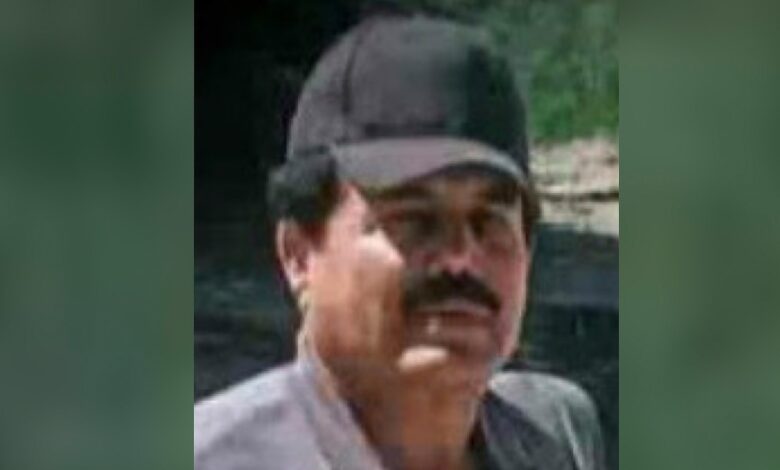
Zambada’s path to this courtroom was marked by a controversial arrest in 2024. He was known as an elusive, behind-the-scenes leader with a low public profile, contrasting with the higher visibility of his co-founder, El Chapo, who was sentenced to life in prison in 2019. Zambada’s capture involved a mysterious operation in which he was reportedly beaten and kidnapped by Joaquín Guzmán López, a son of El Chapo, and flown across the border to New Mexico, where U.S. federal agents took him into custody. It remains unknown whether U.S. agencies facilitated this cross-border kidnapping. Guzmán López later pleaded guilty in a separate abduction case.
U.S. Attorney for the Eastern District of New York Joseph Nocella Jr. issued a statement following the sentencing, declaring that Zambada “spent nearly four decades poisoning American communities to make billions of dollars in profit and ordering the murders of anyone who stood in his way.” Nocella stated, “Today, that chapter closes for good.” The sentence reflects the federal government’s commitment to dismantling the leadership structure of the Sinaloa Cartel, even as the organization continues to operate through various factions. The $15 billion forfeiture order targets the financial infrastructure built over decades of racketeering conspiracy and drug trafficking.
As Zambada returns to custody to serve his life sentence, the legal proceedings conclude his specific case in the Eastern District of New York. However, the broader implications of the Sinaloa Cartel’s structure and its ongoing influence in both Mexico and the United States remain active areas of law enforcement focus. The next confirmed legal step involves the implementation of the forfeiture order and Zambada’s placement in a federal facility designated for high-security inmates, as recommended by prosecutors due to the ongoing loyalty of cartel members to his faction.