The financial architecture of the package is divided into three primary components. The largest portion, £7 billion ($9.3 billion), constitutes economic support to be delivered over a three-year period. This tranche includes up to £5.5 billion in World Bank guarantees and a £500 million contribution to a World Bank crisis facility designed to mobilize additional international assistance. This component is critical in addressing Ukraine’s dire financial outlook for 2027, where an expected £58 billion shortfall has been identified even after accounting for previously planned support. By locking in this multi-year funding, the UK aims to provide fiscal predictability for Kyiv, complementing similar pledges from non-EU partners such as Norway, which committed £7 billion for 2027.
A second major component is a £3 billion ($4 billion) expansion of the UK Export Finance (UKEF) capacity. This mechanism is explicitly prioritized for defense-related exports, raising Britain’s total export-finance coverage for Ukraine to £6.5 billion ($8.6 billion). In military procurement terms, this distinction is significant: it represents the financial infrastructure enabling the transfer of military hardware rather than the hardware itself. By expanding UKEF capacity, London is facilitating the supply chain for weapons and systems, ensuring that commercial and state-backed production lines can continue to flow into Ukraine without being constrained by the buyer’s immediate liquidity. This supports the sustained operational tempo required in a protracted conflict, allowing for the consistent delivery of platforms and munitions rather than one-off transfers.

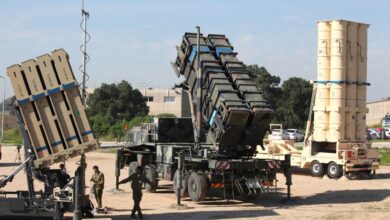
The most immediate operational impact of the announcement is the allocation of £500 million ($665 million) in additional military assistance from the Ministry of Defence. UK officials stated this funding is intended to “plug urgent gaps” in Ukraine’s air defenses ahead of the winter months. While the specific platforms or munitions covered by this sum were not itemized in the official statement, the timing aligns with seasonal operational constraints where Russian attacks on energy infrastructure and military assets often intensify. The emphasis on air defense reflects the current strategic reality of the conflict, where high-altitude cruise missiles and unmanned aerial vehicles (UAVs) pose persistent threats to critical infrastructure. Strengthening these defenses is a tactical necessity to preserve civilian resilience and military readiness during the colder months, when maintenance and logistical challenges for both sides are heightened.
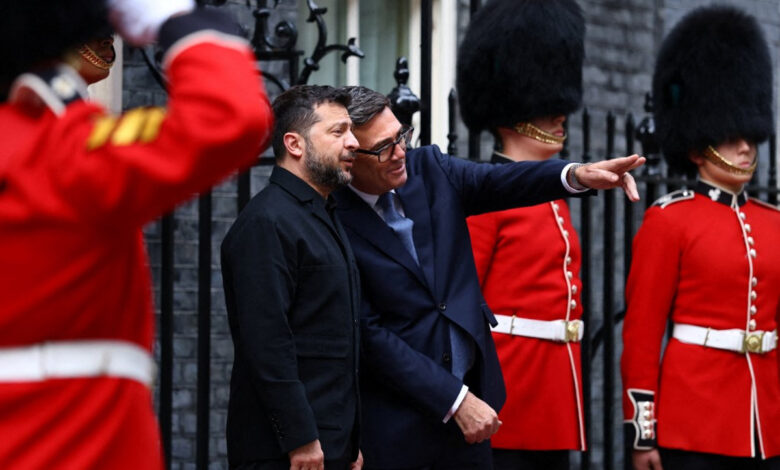
Strategically, the package serves as a deterrent signal to Moscow. President Zelensky framed the support as a clear indication that Ukraine would not be isolated, stating that continued international backing convinces Russia that prolonging the war would not weaken Kyiv’s position. The UK government described the announcement as a commitment to ensuring Ukraine has the means to continue its defense against Russia’s “illegal invasion.” This rhetorical and financial posture aims to influence the broader geopolitical calculation, suggesting that Western support is not merely reactive but structural and enduring.
The diplomatic context of the announcement includes coordination with other partners. During their call, the UK leaders and President Zelensky discussed the upcoming European Political Community meeting, agreeing to use the forum to drive forward further support from partners. The UK also reiterated its intent to increase pressure on Vladimir Putin through enhanced sanctions, a policy lever that operates in tandem with military aid to constrain Russia’s economic capacity to sustain the conflict.
While the financial scale of the package is unprecedented for the UK, it is important to distinguish between committed funds and delivered equipment. The £10 billion figure represents fiscal capacity and financing mechanisms, not an immediate transfer of hardware. The actual combat impact will depend on the speed at which the £500 million in military aid is procured and deployed, as well as the efficiency of the UK Export Finance channels in facilitating broader defense trade. As winter approaches, the effectiveness of the newly funded air defense systems will be the primary metric for assessing the tactical value of this latest commitment.