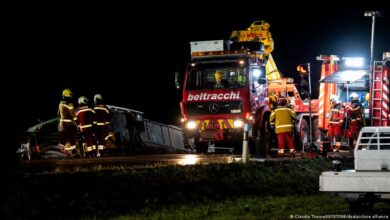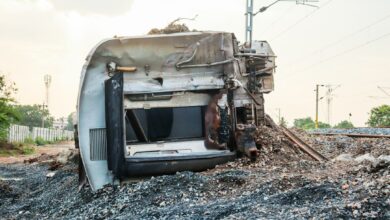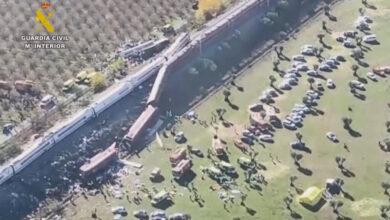
The accident involved a high-speed train operated by the state-owned RENFE striking a stationary train run by the private operator Iryo. According to Transport Minister Oscar Puente, the incident resulted from an “inexplicable” decision to allow the RENFE train to continue after an automatic control system failed on that stretch of track. The moving train traveled approximately 25 kilometers before colliding with the stopped Iryo train near the town of Urda. Emergency crews worked through the night using cranes to maneuver mangled metal, while residents provided water, blankets, and first aid to survivors.
Prime Minister Pedro Sánchez visited the crash site and described the incident as a “train wreck” for public trust in Spain’s infrastructure. “It is not acceptable for a country like Spain to endure two high-speed train accidents in the same year,” Sánchez stated. He vowed a full investigation and immediate measures to reinforce safety systems. The disaster comes four weeks before Spain’s November 29 general election, complicating the political landscape for Sánchez’s Socialist party, which had sought to leverage voter discontent over housing costs.
This is the second fatal high-speed rail collision in Spain in seven months. In January, a train derailed in the southern Andalusia region and slammed into another train traveling in the opposite direction, killing 46 people. Both of this year’s fatal crashes involved a RENFE train and an Iryo train. Spain’s high-speed rail network, one of the largest in the world by track mileage, had not experienced a deadly crash since it entered service more than three decades ago until this year.
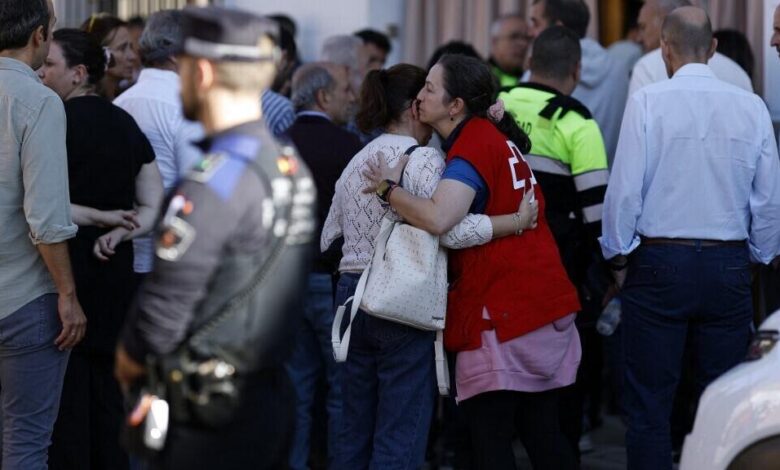
The liberalization of Spain’s high-speed rail market in 2021 allowed private operators like Iryo to enter the sector, which previously was dominated by the state. The network carried 45 million travelers last year, including millions of tourists. Authorities are currently collecting DNA samples from relatives in Madrid, Toledo, Cordoba, and Seville to identify victims. Red Cross psychologists attending to those affected noted that many survivors and families are in shock, with one witness describing the scene as “desolation” and “blood all over” the carriages. The investigation will focus on the failure of the automatic control system and the subsequent operational decisions that permitted the train to proceed.