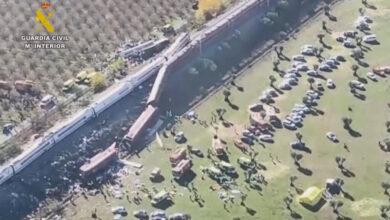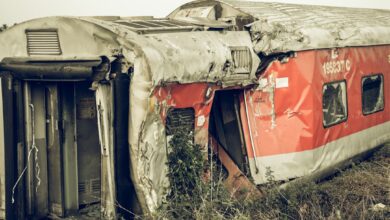
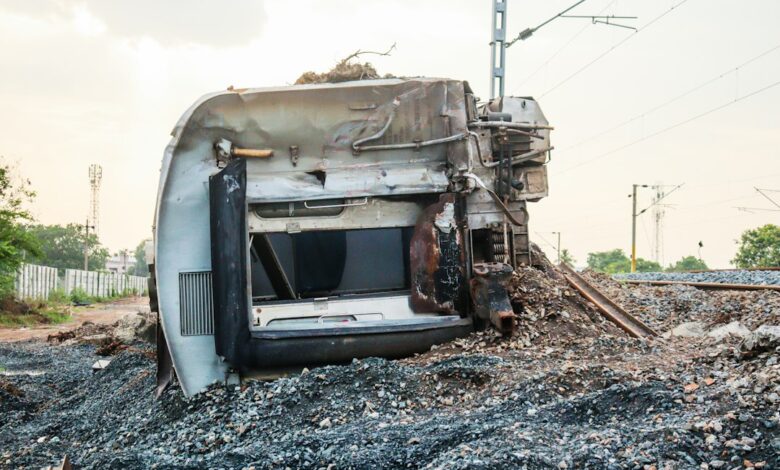
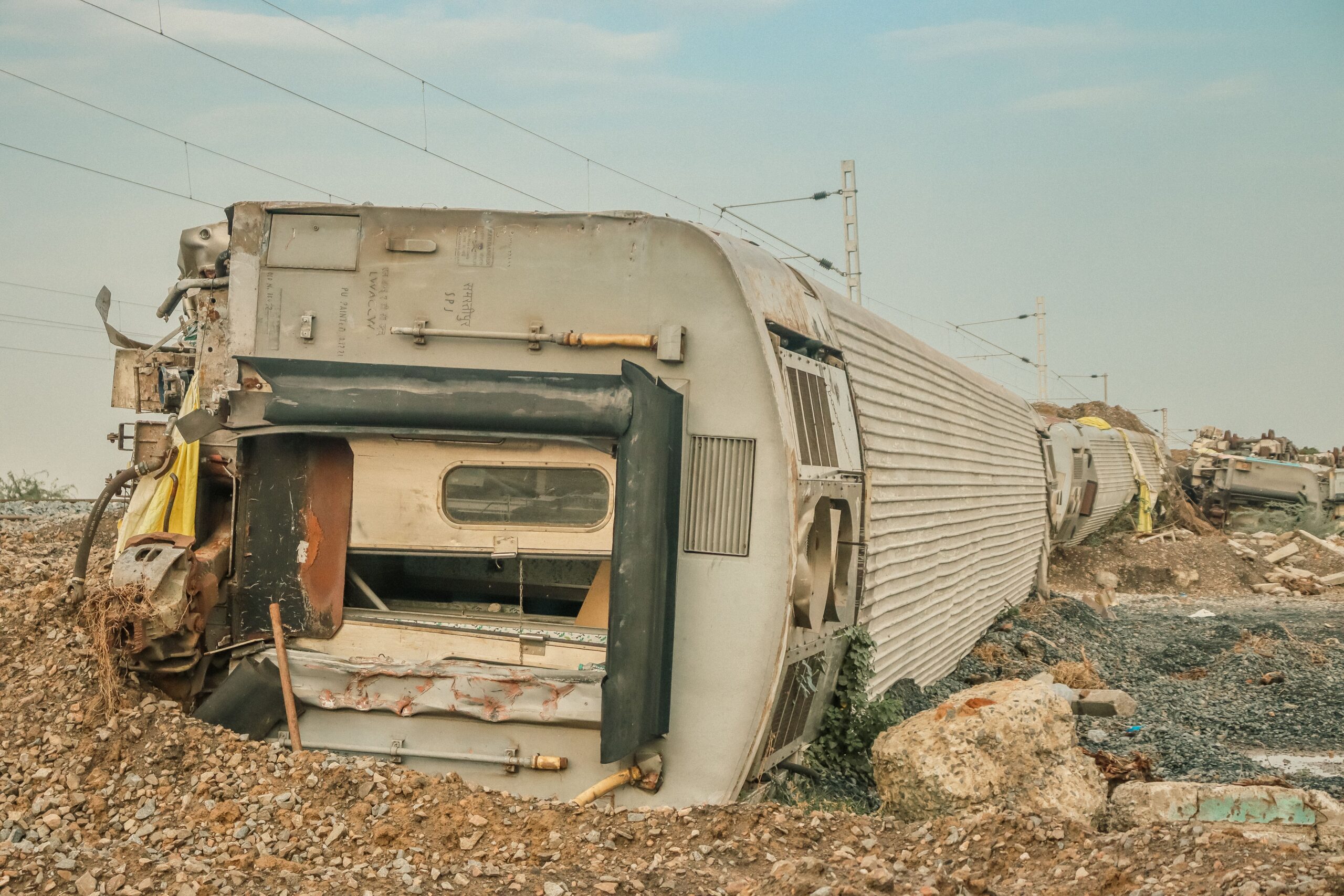
The crash involved a state-owned Renfe train, carrying 397 passengers, which struck a stationary Iryo train from behind. According to Spanish Transport Minister Óscar Puente, a computer failure caused a safety system malfunction across a 63-kilometer section of the track, forcing all trains to stop automatically. The state railway infrastructure manager, Adif, switched to manual control and authorized the Renfe train to resume movement south toward Seville despite a red signal. A subsequent Renfe train then collided with the stopped Iryo train, which had 147 passengers on board. The force of the impact caused several carriages to fall down an embankment, with one carriage catching fire.
Officials have identified an “inexplicable” decision by a 24-hour control centre in Madrid as a key factor. Audio recordings reviewed by officials indicate that controllers gave clearance for the high-speed train to move even though another train was stalled ahead. The Spanish interior ministry reported that more than 500 emergency personnel were deployed to the site, using drones and helicopters to assess the damage and locate missing individuals. The Civil Guard has established identification bureaus in Madrid, Toledo, Seville, and Córdoba to coordinate DNA sampling and reunite families with victims.
Prime Minister Pedro Sánchez stated that the “whole of Spain is grieving” and promised that any negligence found during the investigation would be punished with “maximum severity.” The disaster has intensified political tensions ahead of upcoming elections. Most political parties suspended campaigning, though the far-right Vox party continued, accusing opponents of using mourning to silence criticism of rail infrastructure. Alberto Núñez Feijóo, leader of the main opposition People’s Party, asserted that Spain has the right to know the status of its infrastructure.
Tensions flared late Wednesday when approximately 1,500 protesters gathered outside the Transport Ministry in Madrid, largely demanding the resignation of Sánchez and Puente. Police used tear gas to disperse the crowd after bottles and flares were thrown, though no injuries or arrests were reported. Rail drivers from the Spanish Union of Railway Drivers (Semaf) have confirmed they will proceed with a planned strike on Thursday to defend railway safety. This is the third major rail accident in Spain this year, following a January crash near Córdoba that killed 46 people on the same line. The European Commission signaled solidarity by flying EU flags at half-mast in Brussels during the mourning period.