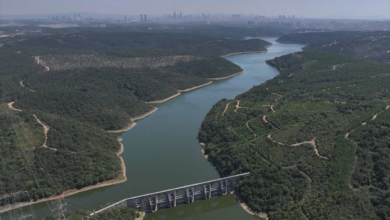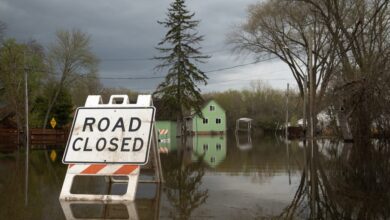
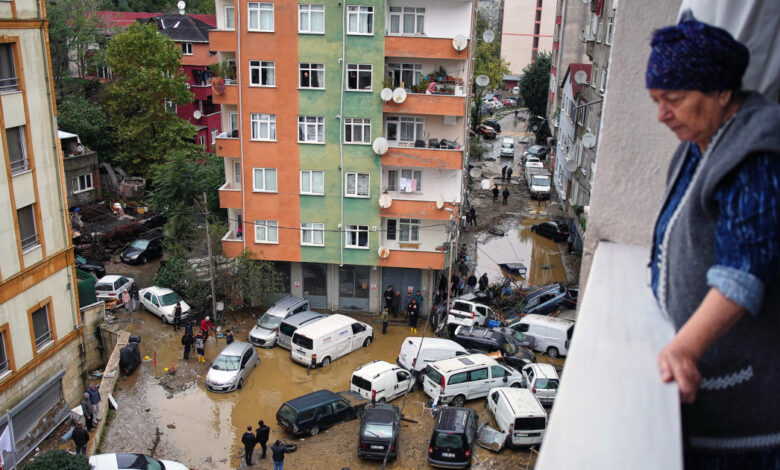
The scale of the meteorological anomaly was unprecedented in modern records for the city. The state-run Anadolu Agency reported that Istanbul received more rainfall in the 48 hours leading up to Thursday morning than the combined historical average for the entire months of September and October. The Istanbul Metropolitan Municipality noted that certain areas recorded their highest rainfall amounts since 1985. This deluge transformed streets and parks across Turkey’s largest city, which has a population of 16 million, into waterways, inundating homes and businesses and washing vehicles down hills and into underpasses.
The immediate human impact was severe. The Istanbul governor’s office reported that over 2,700 individuals were stranded at their workplaces by the rising waters and were subsequently evacuated safely by emergency personnel. At the peak of the crisis, four people remained unaccounted for, a number that was confirmed by Minister Ciftci during a visit to the Ayazaga neighborhood in Sariyer, one of the hardest-hit areas. The governor’s office also logged 9,850 reports of damage and related issues. In response to the scale of the emergency, 46,000 personnel were deployed to clean up debris and assist residents. The disruption to daily life was extensive; schools were closed through Friday, some state employees were placed on leave, and motorcycles were barred from traffic. Late Wednesday, the governor’s office had advised residents to remain home unless travel was absolutely necessary, a directive that coincided with the shutdown of much of the city’s infrastructure.
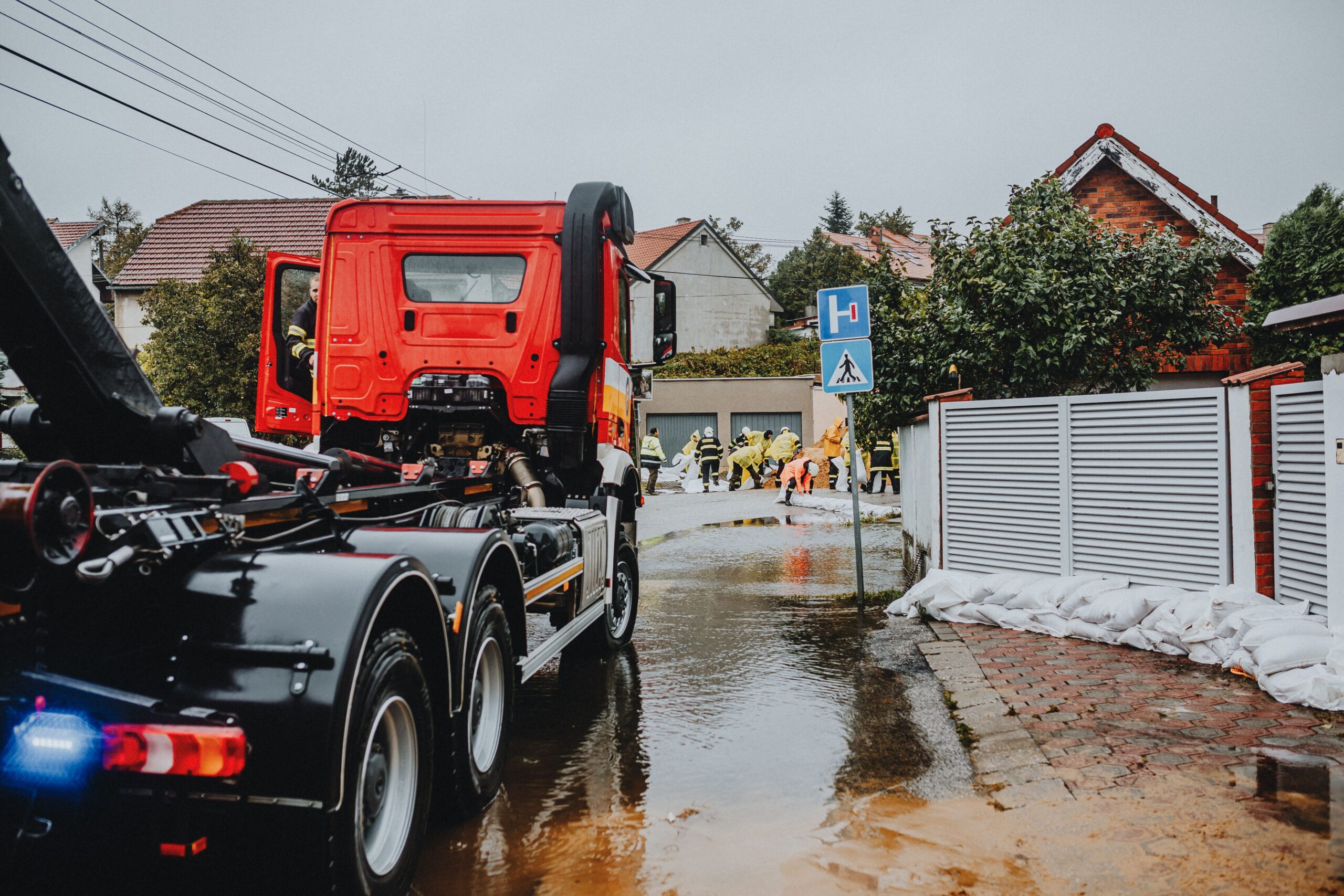
Beyond the immediate urban center, the flooding affected surrounding regions. In Sakarya province, located approximately 150 kilometers east of Istanbul, a two-story house constructed on a riverbed collapsed under the force of the water. Reports from HaberTurk television indicated that it was not immediately known whether anyone was inside the structure at the time of the collapse.
As the city began the arduous process of recovery, political and scientific leaders framed the event within the context of broader environmental shifts. Murat Kurum, the minister for the environment, urbanization, and climate change, accompanied Interior Minister Ciftci to the flood-hit neighborhoods. Kurum addressed concerns that urban development near waterways may have exacerbated the severity of the flooding, stating that addressing these structural issues was “essential.” He further linked the extreme rainfall to the effects of climate change, asserting that “Combating climate change is not a choice, but a necessity.” This statement carries particular weight given that Kurum is set to chair the U.N. climate change conference, COP31, in the Turkish city of Antalya the following month.
The distinction between observation and interpretation is critical in understanding the drivers of this event. The meteorological data is clear: the volume of rain was historically extreme for the region. While officials have directly attributed the severity to climate change, the immediate physical causes included the rapid accumulation of water in an urban environment where drainage systems were overwhelmed. The collapse of the house in Sakarya highlights the vulnerability of infrastructure built in flood-prone zones, a factor that interacts with increasing precipitation intensity. The scientific evidence of rainfall exceeding two months’ worth of historical average in a single 48-hour period provides a documented baseline for the event’s magnitude, even as the attribution to long-term warming trends remains a point of policy focus rather than a settled local metric in the immediate reporting.
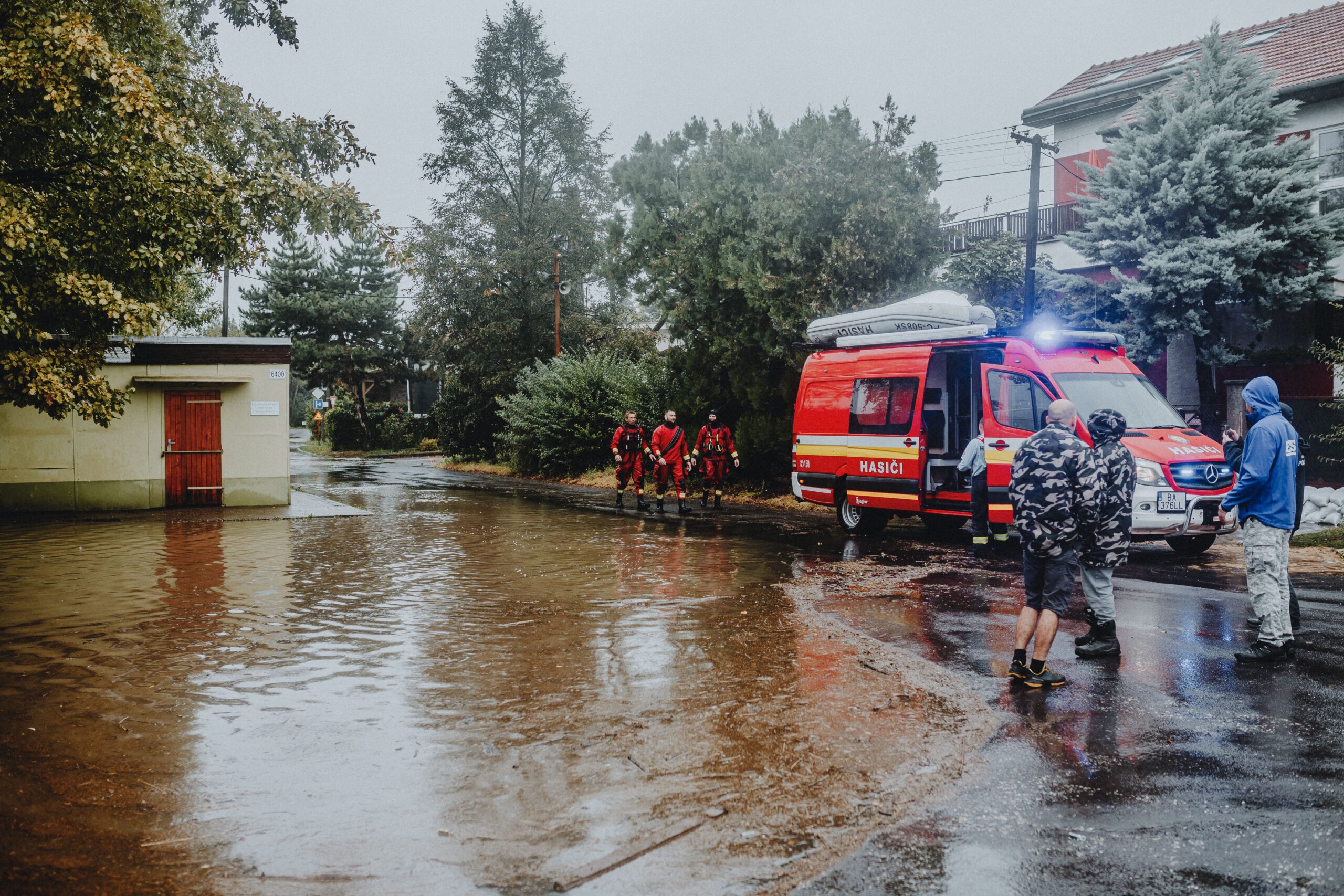
Uncertainties remain regarding the full extent of the damage and the long-term implications for the city’s infrastructure. The weather agency predicted further showers for Istanbul and the surrounding area in the days following the initial storm, suggesting that the cleanup efforts faced ongoing meteorological challenges. The 9,850 reported incidents of damage indicate widespread impact, though the specific economic cost and the degree to which urban planning failures versus natural variability contributed to the severity are subjects of ongoing inquiry. The presence of 46,000 cleanup personnel underscores the logistical magnitude of the response, yet the discovery of the fourth body on Friday indicates that the danger persisted even after the initial downpour subsided.
As the waters receded, the focus shifted from rescue to reconstruction and accountability. The discovery of the man in Sariyer serves as a somber marker of the event’s finality, while the broader narrative turns toward the policies that will shape the city’s resilience. With Minister Kurum preparing to lead international climate discussions, the flooding in Istanbul stands as a tangible, local manifestation of the global challenges he will address. The city’s experience, defined by 48 hours of exceptional rain and the resulting loss of life, provides a concrete data point in the ongoing dialogue between urban development, climate adaptation, and disaster management.