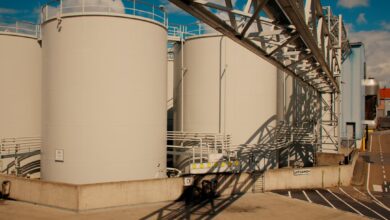
The driver behind this sustained pressure is the volatility in international crude oil markets, specifically the surge in Brent crude, the primary benchmark for global oil pricing. In the final days of October 2026, Brent crude breached the crucial $116-per-barrel mark, gaining over 1.05% to reach $116.10 on Friday. This spike followed a period of oscillation where prices had briefly retreated before climbing back above the threshold. The United States West Texas Intermediate (WTI) benchmark also rose, gaining 1.18% to $103.20. These figures mark a significant departure from the start of the month, when Brent had traded below $97 per barrel, indicating a rapid and substantial escalation in commodity costs over a single month.
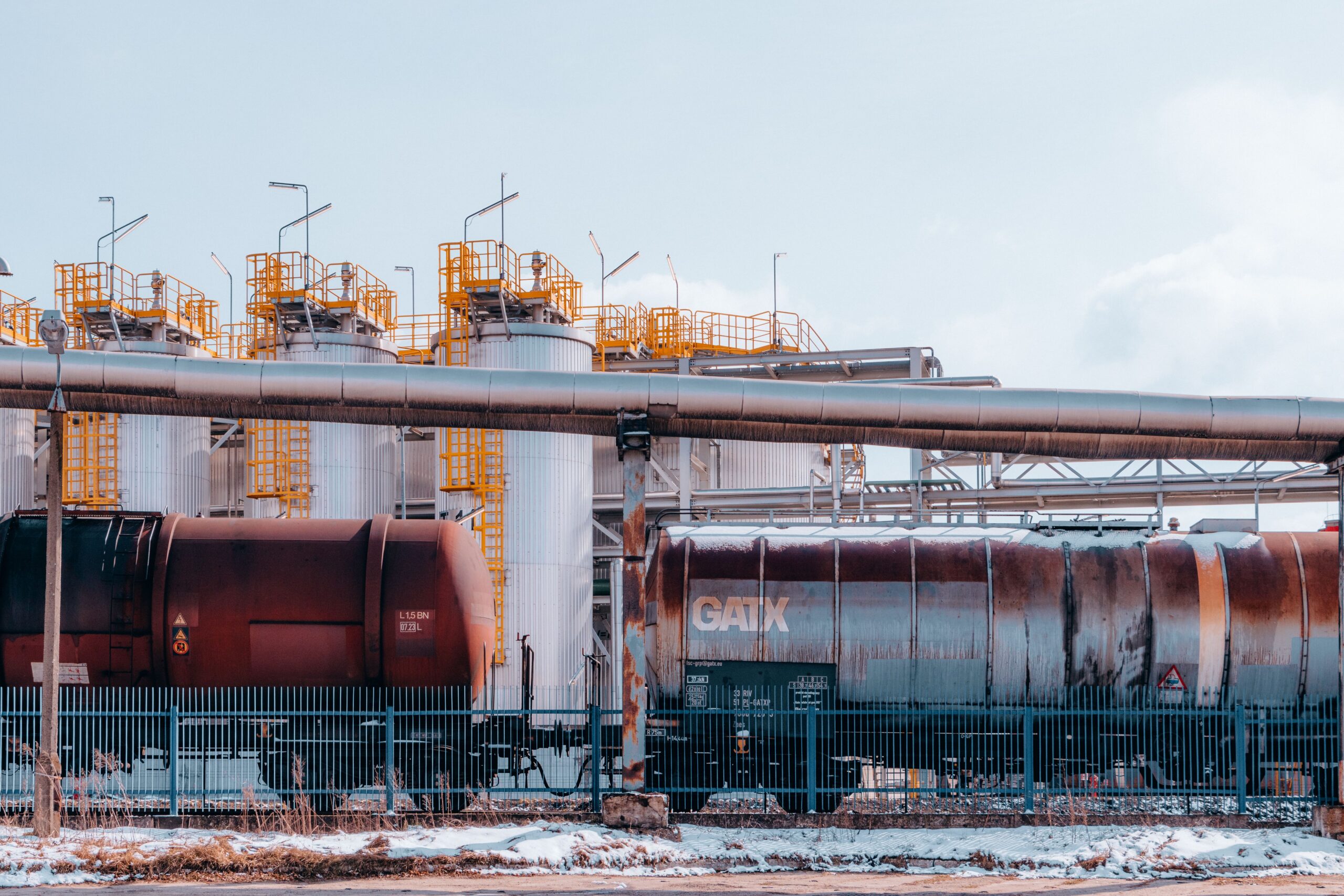
The geopolitical context for these price movements is rooted in intensifying conflicts in the Middle East, a region central to global energy supplies. Reports indicate that oil prices climbed as signs grew that the United States could resume military strikes on Iran, heightening fears of fresh instability. Furthermore, attacks by Houthi forces on Saudi Arabia’s energy facilities, including a refinery, have renewed concerns about supply risks from a major oil exporter. These events have introduced significant uncertainty into the market, with November 2026 Brent futures rising toward $117 per barrel, while the more heavily traded January contract remained above $112. The Strait of Hormuz, a critical chokepoint for global oil shipments, remains a major source of anxiety, with increased shipping risks and attacks on vessels contributing to higher freight costs. Goldman Sachs estimates that average global oil transportation costs have risen from approximately $3 per barrel last year to higher levels, adding an additional layer of expense to the supply chain.
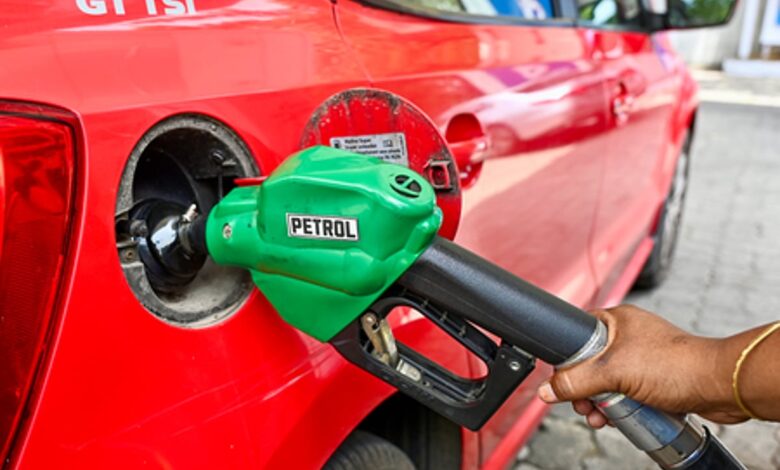
These global dynamics translate directly into the UAE retail market through the country’s fuel pricing mechanism. Since deregulating fuel prices in 2015, the UAE has aligned its domestic retail prices with global oil prices, a system managed by the UAE Fuel Price Committee. The October adjustment already reflected a significant jump: Super 98 petrol stood at Dh4.40 per litre, up from Dh3.80 in September; Special 95 was priced at Dh4.28, compared to Dh3.69 previously; and E-Plus 91 cost Dh4.21. Diesel prices also surged, rising 11.6% to Dh4.80 per litre. These October figures represented a four-year high for fuel costs in the country.
Looking ahead to November, the final adjustment will depend on the average of international crude and refined-product prices over the monthly pricing period. Given that Brent has remained above $116 in the final week of October, the trajectory suggests continued upward pressure. While the exact figure for the November review is yet to be announced, illustrative calculations suggest the potential impact on consumers. If prices were to increase by 10 fils per litre, a standard 60-litre fill-up would cost an additional Dh6. A 20-fils increase would add Dh12 to the cost of the same tank. These are not predictions but mathematical illustrations of how small per-litre adjustments accumulate into tangible costs for households and businesses.
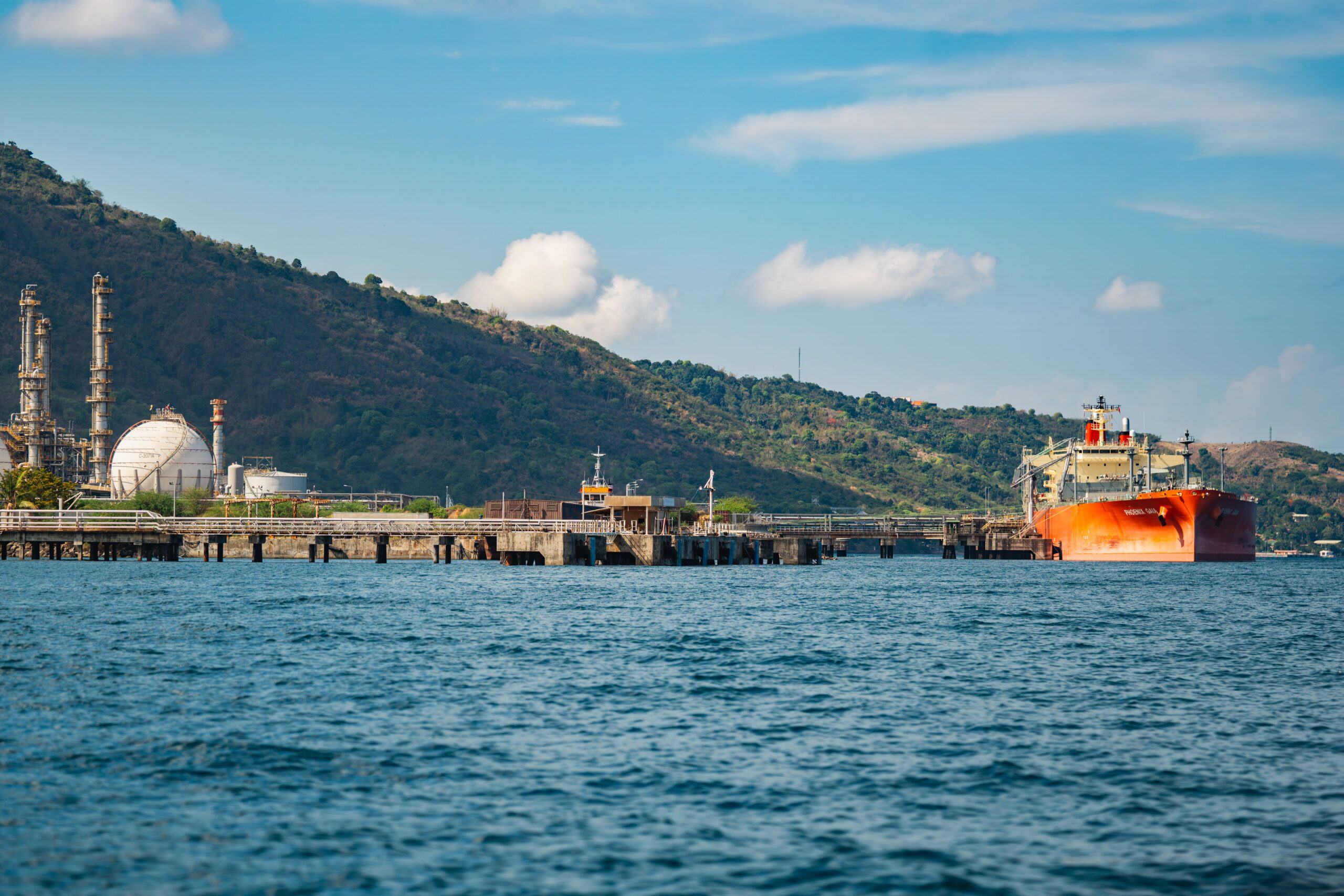
The current situation highlights the vulnerability of regional energy security to geopolitical shocks. Despite signs that exports from Gulf producers are recovering, the risk premium associated with shipping through contested waters and the threat of further infrastructure attacks keep a floor under global prices. For the UAE, a country that has historically maintained relatively stable fuel prices compared to its neighbors, the shift to a market-linked system means that domestic consumers now bear the brunt of global volatility. The previous record high of Dh4.63 per litre for petrol looms as a potential threshold, with current prices already close to that mark.
As the UAE Fuel Price Committee prepares to announce the November rates, the focus remains on whether the momentum in crude prices will decelerate or continue to accelerate. The interplay between military developments in the region, shipping logistics, and global demand will determine the final numbers. For now, the data points toward a November where fuel costs remain elevated, requiring consumers and industries to adjust to a new baseline of higher energy expenses in a period of heightened geopolitical uncertainty.