
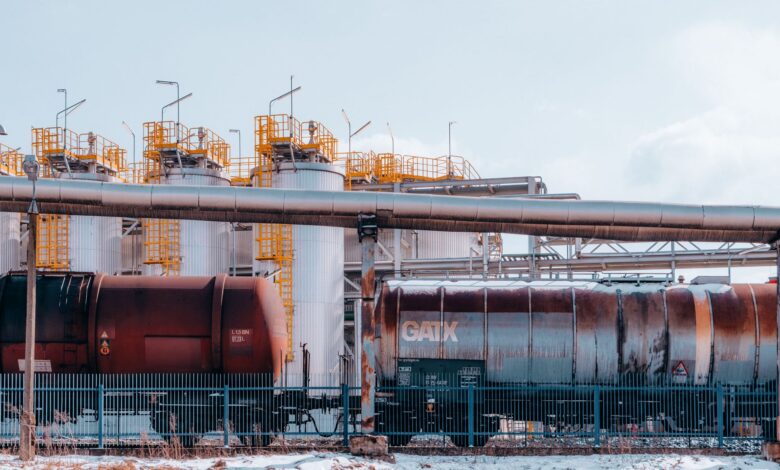
Under the terms disclosed, Russia is to supply over 300,000 tons of diesel initially, followed by an additional 500,000 tons in November, with a further 1 million tons to follow. The Russian government partially lifted its export ban on diesel on October 10, targeting the dispatch of 500,000 tons to world markets in the first phase. Concurrently, the US Treasury Department authorized the sale, delivery, offloading, and import of Russian-origin diesel until April 7, 2027. Russian Deputy Prime Minister Alexander Novak clarified on October 21 that the US’s diesel needs would be met “to the extent possible,” with exports to other countries potentially restored to previous levels only if Russian exports fully recover by year-end.
Despite the political announcement, the technical realities of Russia’s refining sector pose significant constraints on the deal’s viability. Masha Kotkin, a researcher at the Center for Strategic and International Studies (CSIS), notes that the initial commitment of 300,000 metric tons equates to approximately 2.25 million barrels. Given that global diesel demand stands at roughly 29 million barrels per day, Kotkin assesses that this volume is insufficient to meaningfully alleviate current supply tightness or reduce prices. The agreement itself contains a critical caveat: subsequent deliveries are contingent on the condition of Russian refineries, a factor that undermines the reliability of future commitments.
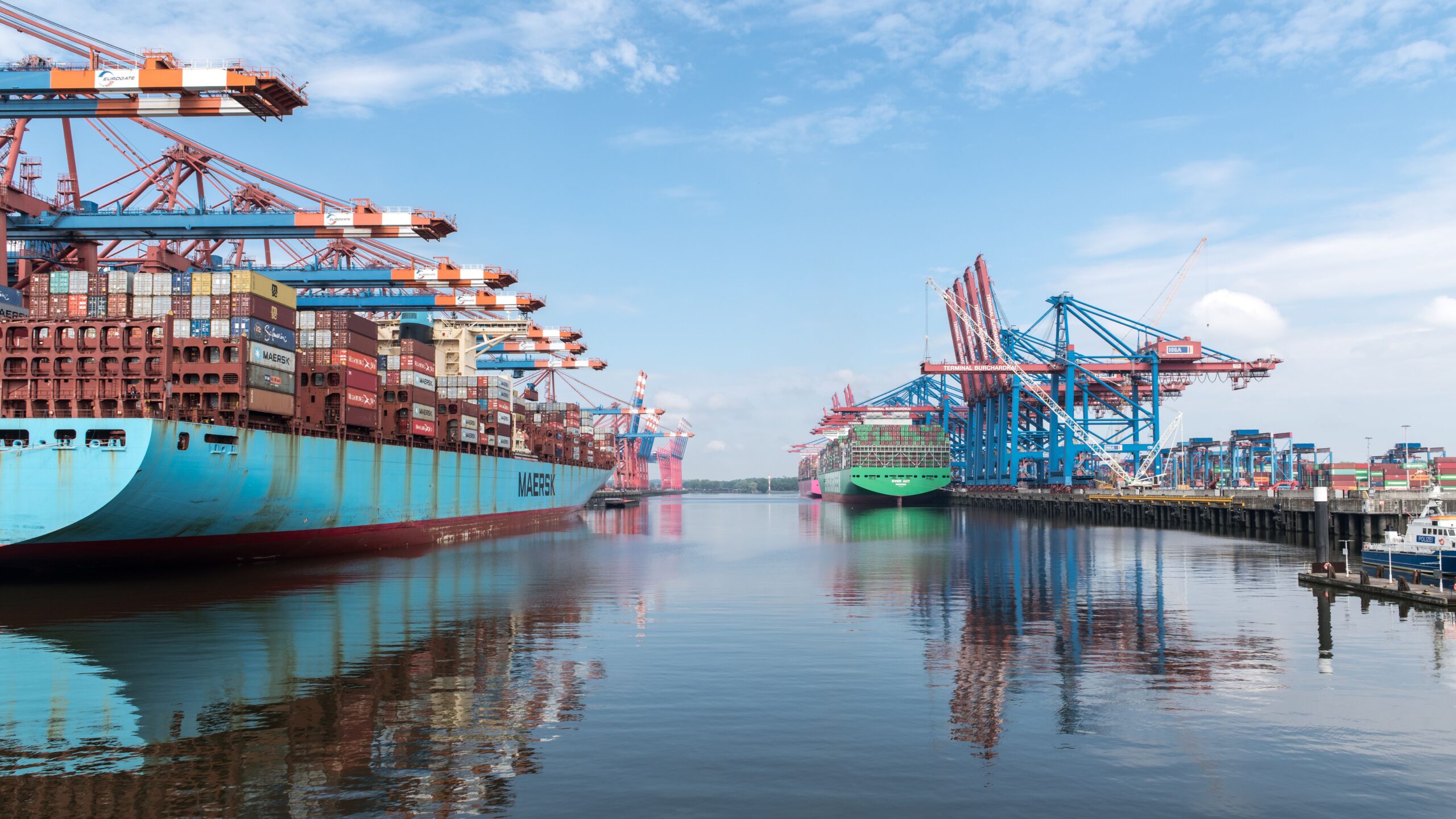
Infrastructure damage remains a central obstacle. According to the International Energy Agency (IEA), approximately one-third of Russia’s refining capacity has been damaged, a limitation that has already forced the country to impose a partial export ban on refined petroleum products since January 31 due to domestic shortages. Furthermore, the seasonal transition in Russia adds complexity to the logistics. As autumn progresses, Russia typically liquidates summer diesel stocks to make room in storage for winter and Arctic-grade fuels, which do not gel at extremely low temperatures. This internal demand for specialized fuels competes directly with the export requirements of the US deal.
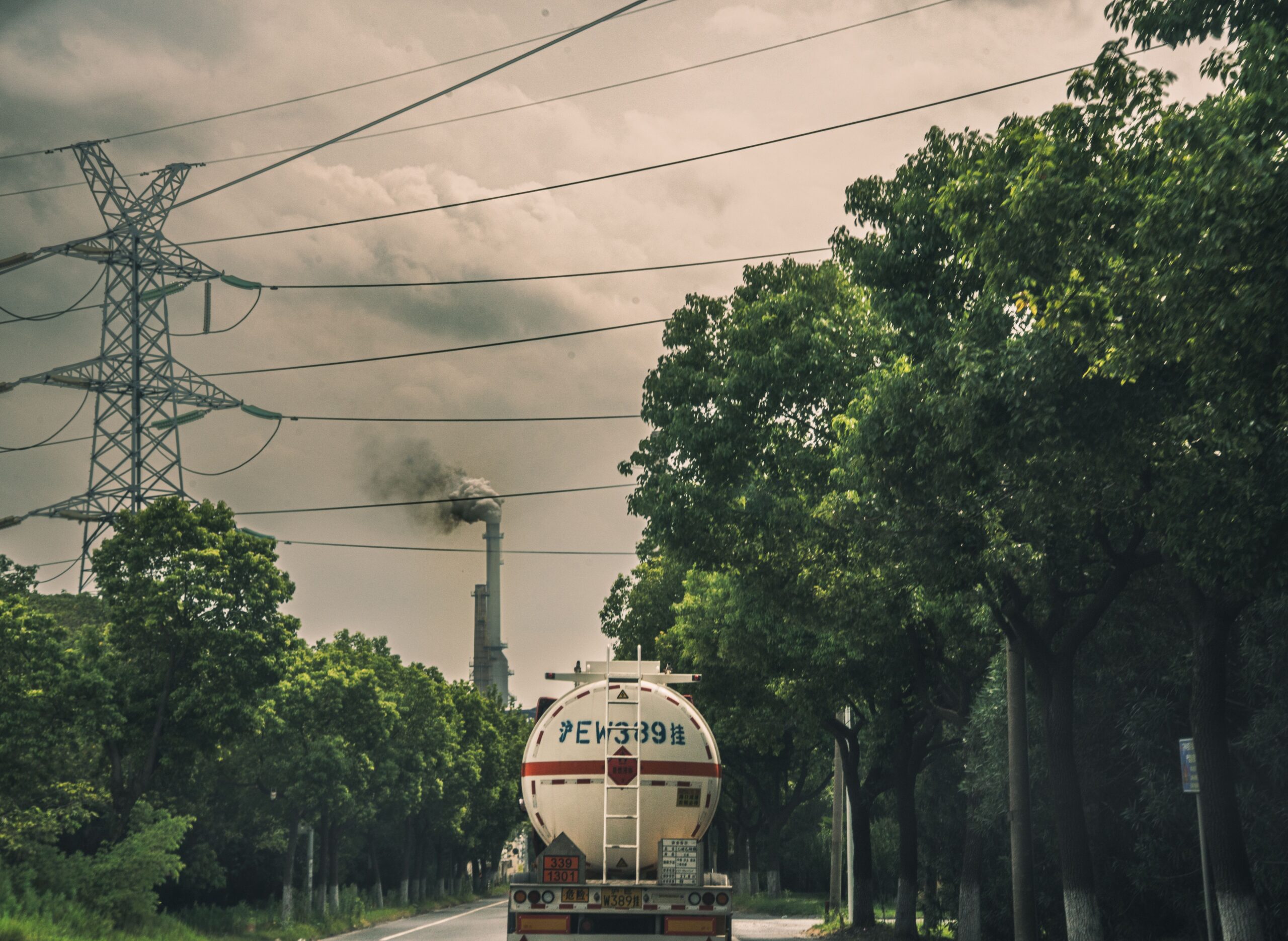
Security risks further complicate the timeline for regular shipments. Kotkin points out that Ukrainian attacks on Russian energy infrastructure, including recent strikes on Black Sea oil tankers, LNG carriers, and the St. Petersburg oil export terminal, create a substantial risk for the new diesel shipments. The vessels transporting diesel to the US are likely to face similar threats to those encountered by tankers at the St. Petersburg terminal. This vulnerability raises questions about the continuity of the supply chain and the insurance costs associated with such routes.
The deal also carries significant political weight within the United States. Energy sanctions against Russia have historically been supported by both Republicans and Democrats. The temporary exemption signed by President Trump has drawn strong reactions from both parties in Congress, suggesting that the policy may face legislative challenges. Kotkin anticipates that disagreements between Congress and the administration regarding sanctions policy will persist, adding a layer of political uncertainty to an already fragile commercial arrangement.
As the first tanker proceeds across the Atlantic, the focus shifts from diplomatic announcements to the physical capabilities of the Russian energy sector. The success of this arrangement will be determined not by the volume of fuel promised, but by the ability of damaged refineries to produce it, the resilience of export terminals against attack, and the capacity of the US market to absorb a supply that analysts deem limited in its global impact.