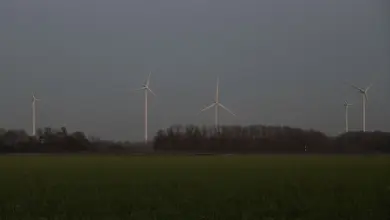
The intervention concerns the 800-megawatt (MW) Davvi project, located in the Finnmark region of northern Norway. By overturning the early rejection, the Ministry has effectively kept the project alive in the planning pipeline, mandating that it proceed to the next stage of the administrative process. According to available reports, NVE is now planning to send the Davvi project to public consultation in the spring of 2027. This consultation will be conducted in conjunction with other wind projects in the Finnmark region, suggesting a coordinated regulatory approach to the area’s renewable energy development.
The decision highlights a specific procedural conflict between the regulatory body and the political ministry overseeing energy policy. The Ministry’s position, as reported, is that the rejection was premature due to the lack of a public consultation phase. In Norway’s energy planning framework, public consultation is a critical step that allows stakeholders, including local communities and indigenous groups, to voice concerns and provide input before a final decision is made. By bypassing this step, NVE’s initial rejection was ruled procedurally insufficient by the Ministry.
The Davvi project represents a significant potential addition to Norway’s wind capacity. With a nameplate capacity of 800 MW, the facility would be a substantial contributor to the national grid, assuming it progresses through the consultation, environmental assessment, and construction phases. However, it is crucial to distinguish between the announced capacity and actual energy generation. The 800 MW figure indicates the maximum electrical output the turbines can produce under optimal wind conditions; actual annual generation will be lower, dependent on local wind resources, capacity factors, and grid availability.
While the sources confirm the procedural reversal and the planned timeline for consultation, they do not provide detailed financial data, contractual terms, or specific environmental impact assessments for the Davvi project. The decision does not constitute an approval for construction. The project remains in the planning stage, subject to the outcomes of the upcoming public consultation and subsequent regulatory reviews. The timeline of spring 2027 for the consultation indicates that the project is not imminent but is part of a longer-term development horizon for the Finnmark region.

This development is part of a broader context of wind energy expansion in northern Norway. The decision to bundle the Davvi project with other Finnmark wind projects for consultation suggests that the regulator is seeking to manage the cumulative impacts and public interest in the region’s wind development collectively. For stakeholders, this reversal means that the debate over the project’s location, environmental impact, and grid integration will now be formalized through the public consultation process, rather than being closed by an early rejection.
The next major milestone for the Davvi wind farm is the public consultation scheduled for spring 2027. This phase will likely involve detailed submissions from environmental groups, industry representatives, and local authorities. The outcome of this consultation will determine whether the project advances to the final licensing stage or faces further hurdles. Until then, the project remains in a state of regulatory limbo, neither approved nor rejected, but mandated to undergo a more transparent and inclusive review process.
For the Norwegian energy market, the inclusion of an additional 800 MW of wind capacity in the long-term pipeline supports the country’s strategy of increasing renewable energy production. However, the path from this regulatory decision to operational turbines involves several years of planning, permitting, and construction. Investors and market participants should monitor the progress of the public consultation in 2027 as the key indicator of the project’s viability. The reversal underscores the importance of procedural compliance in Norway’s energy licensing regime, where public participation is a foundational element of the decision-making process.