A second, distinct incident occurred on the night of 8 August, when Ukrainian drones targeted another S-400 position in Gelendzhik, Krasnodar Krai, on the Black Sea coast. Robert Brovdy, commander of the Armed Forces of Ukraine (AFU) Unmanned Systems Forces, reported the strike via his Telegram channel. Brovdy noted that on the preceding day, 8 August, the S-400 unit in question had launched six interceptors. He described the aftermath, stating that for three hours, the position “burned and smoldered.” The location is reportedly in close proximity to the facility known as “Putin’s Palace,” a 17,700-square-meter complex situated approximately 20 km from Gelendzhik. According to investigations by Alexei Navalny, the site is surrounded by a no-fly zone and adjacent land belonging to the Federal Security Service (FSB).
The August strikes were part of a broader campaign targeting Russian air defense infrastructure in the region. Brovdy announced that in addition to the S-400, four other air defense assets were destroyed during the night of 8–9 August. These included a Tor anti-aircraft missile system near Pudovy in Rostov Oblast, a Pantsir-S1 combined missile-gun system in Yeysk, Krasnodar Krai, a Podlyot-K1 radar station in Golovatovka, Rostov Oblast, and a Kasta 2E2 radar in Latonovo, Rostov Oblast. The commander further claimed the destruction of three vessels belonging to the Russian “shadow fleet” in the Black Sea, specifically identifying an oil tanker and two dry cargo ships.
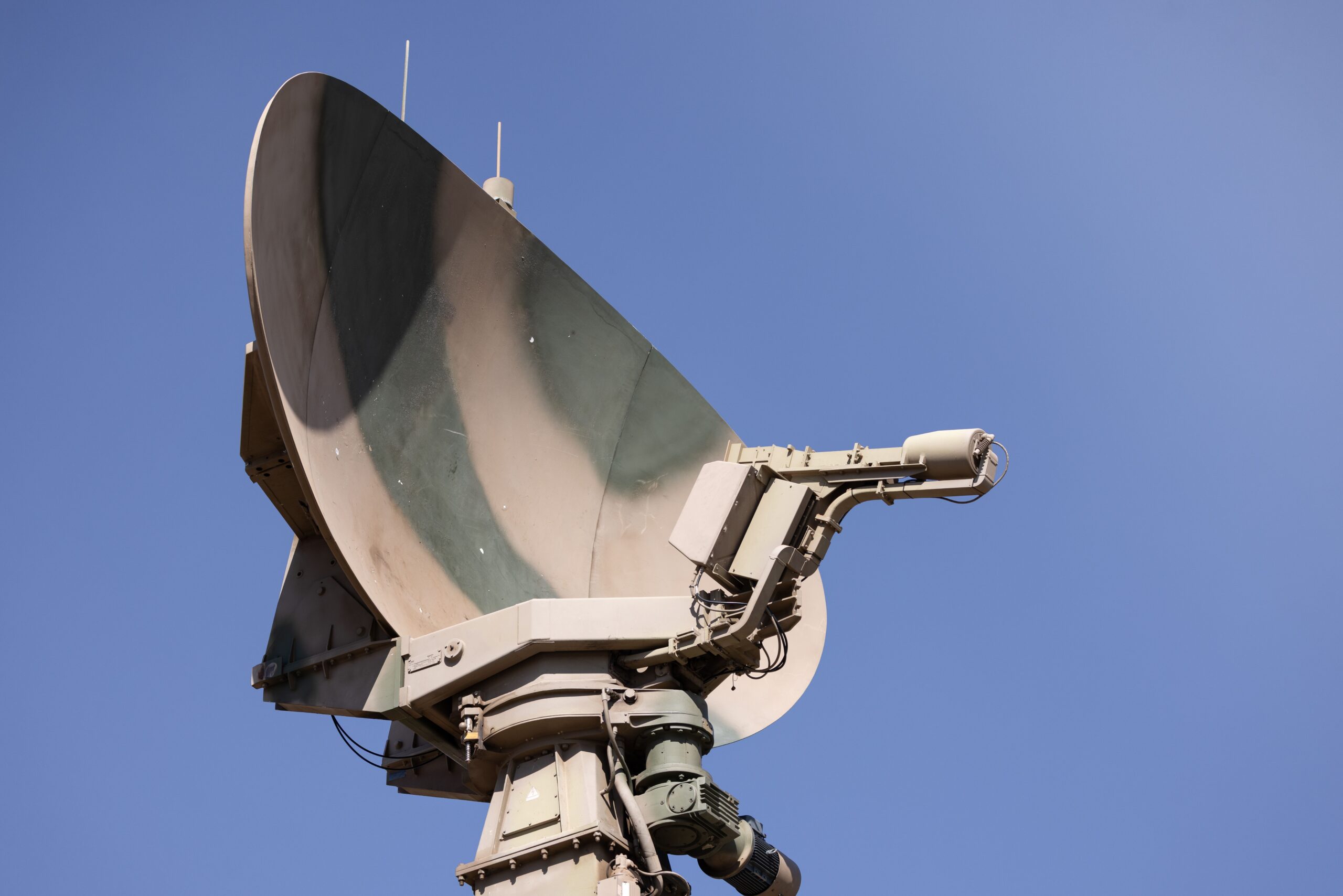
These operations occur against a backdrop of heightened tension and civilian impact in the Black Sea region. On 3 August, a Ukrainian drone strike hit a beach in Arkhipo-Osipovka, a settlement within the Gelendzhik urban municipality located approximately 22 km from the presidential residence. The Moscow Times reported that the incident resulted in seven deaths and at least 40 injuries. The strikes represent a tactical challenge to Russian air defense networks, which have historically provided a protective umbrella over strategic coastal and leadership facilities. By targeting specific components such as the TEL and the 96L6 radar, the DIU aims to degrade the system’s ability to detect and engage long-range threats, thereby reducing the operational effectiveness of the Russian air defense perimeter in the South.
The sustained pressure on S-400 positions underscores the strategic importance of these systems in Russian military doctrine. As a long-range asset, the S-400 is critical for area denial and protecting high-value targets. The confirmed destruction of launchers and radars in both Crimea and Krasnodar Krai indicates a shift in Ukrainian operational tempo, focusing on deep-strike capabilities to neutralize air defense nodes before they can engage. While the full extent of the damage to the August 9 sites is being assessed, the reported launch of interceptors prior to the strike suggests the system was active and operational at the time of the attack.