
The panel comprises three investigation firms—Control Risks Group, FTI Consulting (Singapore), and Kroll Singapore—and four legal entities: Dentons Rodyk & Davidson LLP, TSMP Law Corporation, WongPartnership LLP, and Toby Landau, a King’s Counsel (KC) of Duxton Hill Chambers. According to MinLaw and NEA, these members bring combined expertise in forensic investigations, financial analysis, corporate intelligence, risk advisory, and legal services. The appointment of a King’s Counsel, a title conferred on senior lawyers in the United Kingdom and certain Commonwealth jurisdictions in recognition of their advocacy experience, underscores the legal rigor intended for the proceedings.
The central legal question facing the panel is whether the ten Singapore-based companies issued with notices were involved in causing or condoning fires in Indonesia that resulted in haze affecting Singapore. To resolve this, the companies are required to engage a team selected by NEA from the appointed panel. Each team will consist of one investigation firm and one law firm or legal adviser. These teams will examine the companies’ operations, corporate relationships, and supply chains. The findings will be submitted to NEA, which will use the evaluation reports to determine if further action is warranted.
Coordinating this process is Davinder Singh Chambers, appointed as the government’s adviser on October 23, 2026. Senior Counsel Davinder Singh, cited by MinLaw for his extensive experience in cross-border corporate investigations and complex legal structures, will ensure that the panel’s reports contain the specific information and evidence required by NEA. The government noted that some law firms were not appointed to the panel because they are currently advising the companies identified by the government, a measure designed to manage potential conflicts of interest.
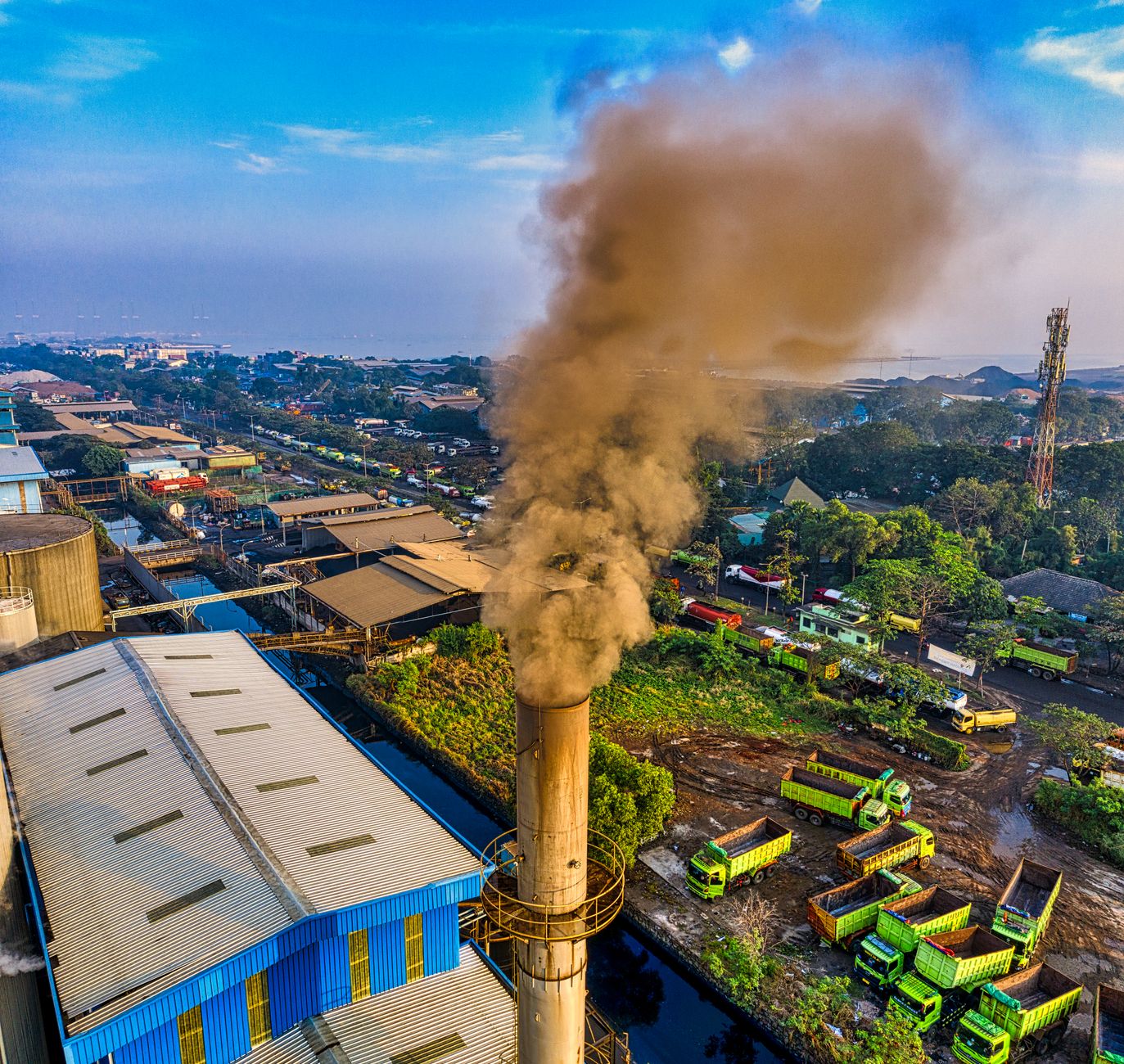
This investigative framework follows a directive from cabinet ministers who summoned executives from the ten affected companies for a meeting on Wednesday, October 28. Speaking to the media in his capacity as chairman of the Homeland Crisis Ministerial Committee, Senior Minister K Shanmugam indicated that the government intends to table amendments to the THPA at the next parliamentary sitting. These amendments are designed to give legal force to the assessment framework, ensuring that the cooperation and findings of the panel are enforceable under statute. MinLaw and NEA stated that “companies are expected to cooperate fully,” and more members may be added to the panel if necessary.
The immediate public consequence of these legal developments has been reflected in corporate filings on the Singapore Exchange. On October 29, Golden Agri Resources, which owns Golden Agri International, stated that both entities would “cooperate fully and transparently” in providing the information requested by NEA. Similarly, TSH Resources, owner of TSH Global Plantation and TSH Oversea, confirmed it is compiling the requested information. Wilmar International also filed a statement confirming it had written to NEA to grant assessors access to information, documents, premises, personnel, and sites related to its operations and supply chains. These filings illustrate the practical operation of the new legal mandate, where corporate compliance is documented publicly as part of the evidentiary process.
The distinction between allegations and judicial findings remains paramount in this process. The panel’s role is not to adjudicate guilt but to assess operations and corporate relationships to provide NEA with the evidence needed for its own assessment. The presumption of innocence applies until any subsequent legal determination is made. The upcoming parliamentary amendments will solidify the legal status of these assessments, transitioning the process from an executive directive to a statutory requirement. Until then, the focus remains on the forensic and legal analysis of supply chains to determine the extent of corporate involvement in the fires that caused the recent haze.
