
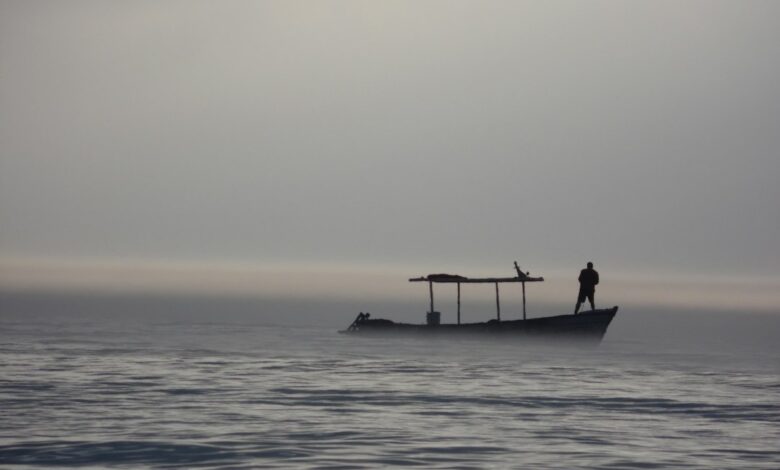
The seizure of the MV Lutuf marks the most intense episode in a series of pirate attacks that have surged off Somalia’s coast since the spring. According to an analysis by the International Maritime Organization (IMO), there have been at least 15 attacks in the region this year, a sharp increase from the five recorded last year. Eight of these incidents occurred in the Gulf of Aden since May. The Joint Maritime Information Center raised its threat assessment to “severe” in response to the spike in activity during April and May. Although these figures are significant, they remain far below the peak of the early 2010s, when the IMO recorded approximately 200 attacks annually. Currently, six commercial ships remain held, with more than 90 seafarers aboard, according to data from the International Chamber of Commerce.
The resurgence of piracy is inextricably linked to the geopolitical shift caused by the war between the United States, Israel, and Iran. As naval resources from the U.S. and its allies have been diverted to secure the Strait of Hormuz and the Red Sea, a security vacuum has opened along Somalia’s 3,300-kilometer coastline—the longest in continental Africa. Brett Erickson, a managing principal at Obsidian Risk Advisors, noted that pirates perceive a lower risk of American retaliation because military assets are tied up in the Middle East. “This is obviously a very, very lucrative business for them,” Erickson said, describing the pirates as “profiteers” benefiting from the distracted global security architecture.
For the global shipping industry, the implications are tangible and costly. Prior to the current escalations, approximately half of vessels traveling from Asia to the Gulf and Europe were already bypassing the Red Sea and Suez Canal due to Houthi strikes. These ships opted for the longer detour around southern Africa, adding two to three weeks and thousands of nautical miles to their journeys. This rerouting forces vessels directly past the Somali coast, exposing them to renewed threats. Consequently, shipping companies face higher insurance premiums, increased transit times, and higher security costs. The return of piracy adds a third layer of disruption to a supply chain already strained by the closure of the Strait of Hormuz to commercial traffic and threats in the Red Sea.
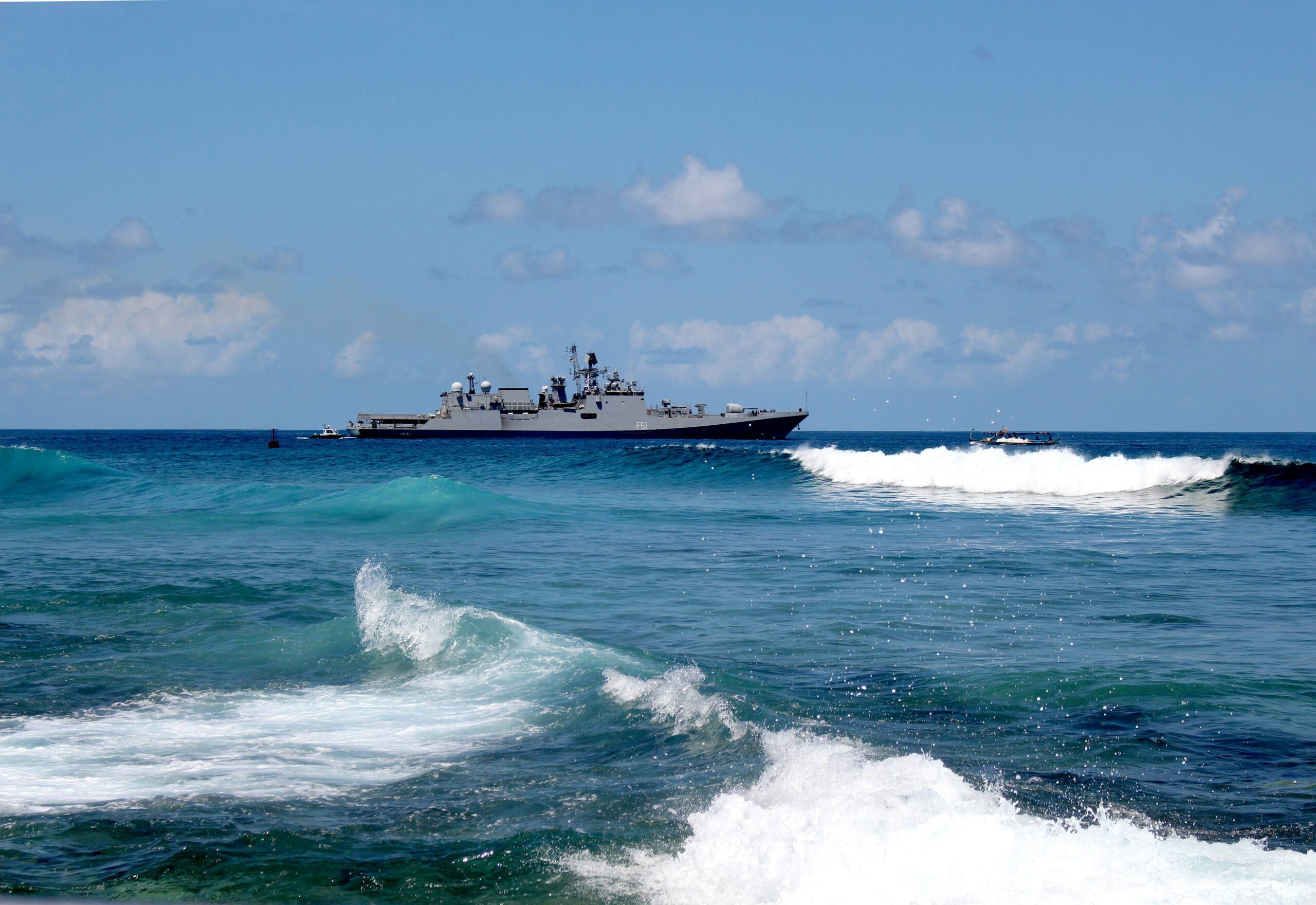
Pirate tactics have remained consistent with those seen 15 years ago, involving the seizure of dhows as “motherships” and the use of skiffs to strike vulnerable merchant vessels. One such incident involved the hijacking of an Emirati dhow in May, which was later abandoned by the pirates after they ran short of supplies. Another tanker, seized off Yemen in May, was directed toward Somalia by pirates demanding a $10 million ransom. More recently, the MV Sward was released after a four-month crisis, with pirates receiving an estimated $1.7 million ransom. Despite these individual incidents, global piracy levels in the first half of 2026 dropped to 38 incidents, the lowest since 1992, compared to 90 in the same period of 2025. This global decline contrasts with the localized spike in the Horn of Africa, underscoring the specific vulnerability of this region due to current geopolitical dynamics.
Experts warn that the counter-piracy model established in 2011, which relied on large, multinational naval coalitions, is unlikely to be rebuilt in its previous form. NATO has refocused on territorial defense, the United States is pivoting to the Indo-Pacific while managing the fallout from the Iran war, and European navies lack excess assets. Tim Walker, a senior researcher at South Africa’s Institute for Security Studies, argues that the response must shift to a regionally anchored architecture. This would involve renewed investment in intelligence and surveillance, stricter industry compliance with protective measures, and support for local authorities to address the root causes of piracy, such as Somalia’s deepening humanitarian crisis.
As the MV Lutuf continues its voyage, the shipping industry faces a complex dilemma. While Somali piracy alone may not fundamentally disrupt global trade, it acts as a multiplier on existing risks. Companies are forced to de-risk their operations, potentially avoiding certain routes entirely. The next critical data point will be the official verification of the MV Lutuf release terms and any further escalation in the Gulf of Aden, which could determine whether this resurgence remains a localized nuisance or evolves into a broader threat to international commerce.





2 Comments