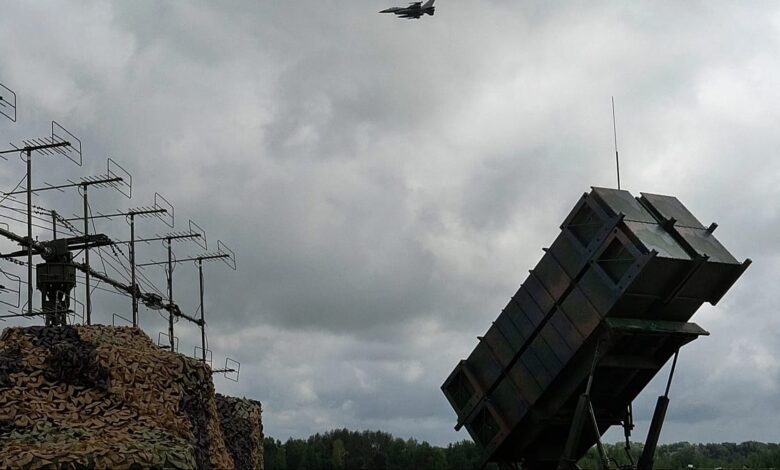
Ukrainian President Volodymyr Zelenskyy acknowledged the US decision as “strong” but expressed concern over the stipulated delivery timeline. In a social media post, he stated that while the number of interceptors is substantial, the agreement specifies that deliveries may begin only in a few years. “We are asking our American partners to find a solution for the time when there is a real danger and a real need to use PAC-3 interceptors,” Zelenskyy wrote. He emphasized that the rapidly approaching winter is pressing home the urgent need for these systems, noting that dwindling stocks of interceptors have already encouraged Russia to ramp up missile attacks in recent months.
Zelenskyy suggested an alternative approach, arguing that the United States, European partners, and other global allies currently hold sufficient stocks of PAC-3 interceptors in their warehouses. He proposed that these existing stocks be provided to Ukraine immediately for the winter of 2026–2027, with partner nations’ arsenals replenished in subsequent years through production already contracted and funded by Ukraine and its partners. Earlier this week, the Ukrainian president had stated that Kyiv had been waiting for approximately a month for US Defence Secretary Pete Hegseth to sign off on a batch of missiles for both the Patriot and NASAMS systems.
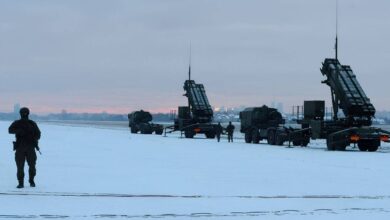
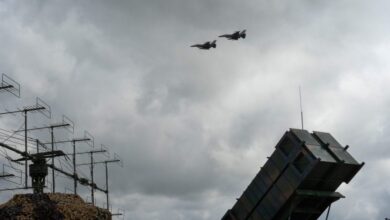
The Patriot missile platform is widely recognized as one of the world’s most advanced air defense systems. Ukraine receives the majority of these systems through NATO’s Prioritised Ukraine Requirements List (PURL) initiative, a mechanism that facilitates the purchase of military equipment and munitions from the US by allies and partners. According to NATO, as of June 2026, allies had committed to funding more than $6 billion in defense equipment for Ukraine through this scheme.
Russia has repeatedly targeted Ukraine’s energy infrastructure during wartime winter periods, aiming to undermine the country’s resolve. Defense officials and Ukrainian leadership warn that the current pace of interceptor delivery may not be sufficient to counter the anticipated intensity of Russian strikes during the upcoming winter season. The next step in this procurement process will involve logistical planning to address the gap between the immediate operational need for interceptors and the long-term production and delivery schedule outlined in the US approval.