
At the core of this expansion is a fundamental change in customer behavior and commercial timelines. The rise of AI has accelerated the pace of business, with new AI-first customers and “neoclouds” moving at a radically different commercial speed than traditional hyperscalers. While legacy contracts for multi-tenant facilities often require lead times of four to six months, new contracts for bespoke AI infrastructure can close in as little as six weeks. Single-tenant AI customers are increasingly committing to orders well before construction begins to lock in specific designs, forcing operators to adapt to modular and prefabricated construction methods to compress delivery timelines. This speed is driving a geographic and technical pivot, with operators in Southeast Asia preserving “fungibility” by making hybrid air and liquid cooling the default design choice. These facilities are engineered to support highly variable rack densities, ensuring they can cater to both heavy GPU loads and standard cloud workloads without requiring separate infrastructure.
China stands out in this regional narrative with a specific forecast: data center demand is projected to grow at a 20% compound annual growth rate (CAGR) from 2025 to 2028. This growth is driven by structural developments in AI and stepped-up investments by hyperscalers and large language model companies. However, the constraints in China differ significantly from the rest of Asia. While power remains a global bottleneck, data centers have only accounted for around 2% of China’s total power consumption recently, making overall power supply less of a constraint than in neighboring regions. Instead, the near-term limitation in China is domestic chip production. Furthermore, local regulatory requirements, such as mandating that green power account for over 80% of new computing infrastructure in major hubs, act as short-term bottlenecks for operators seeking rapid deployment.
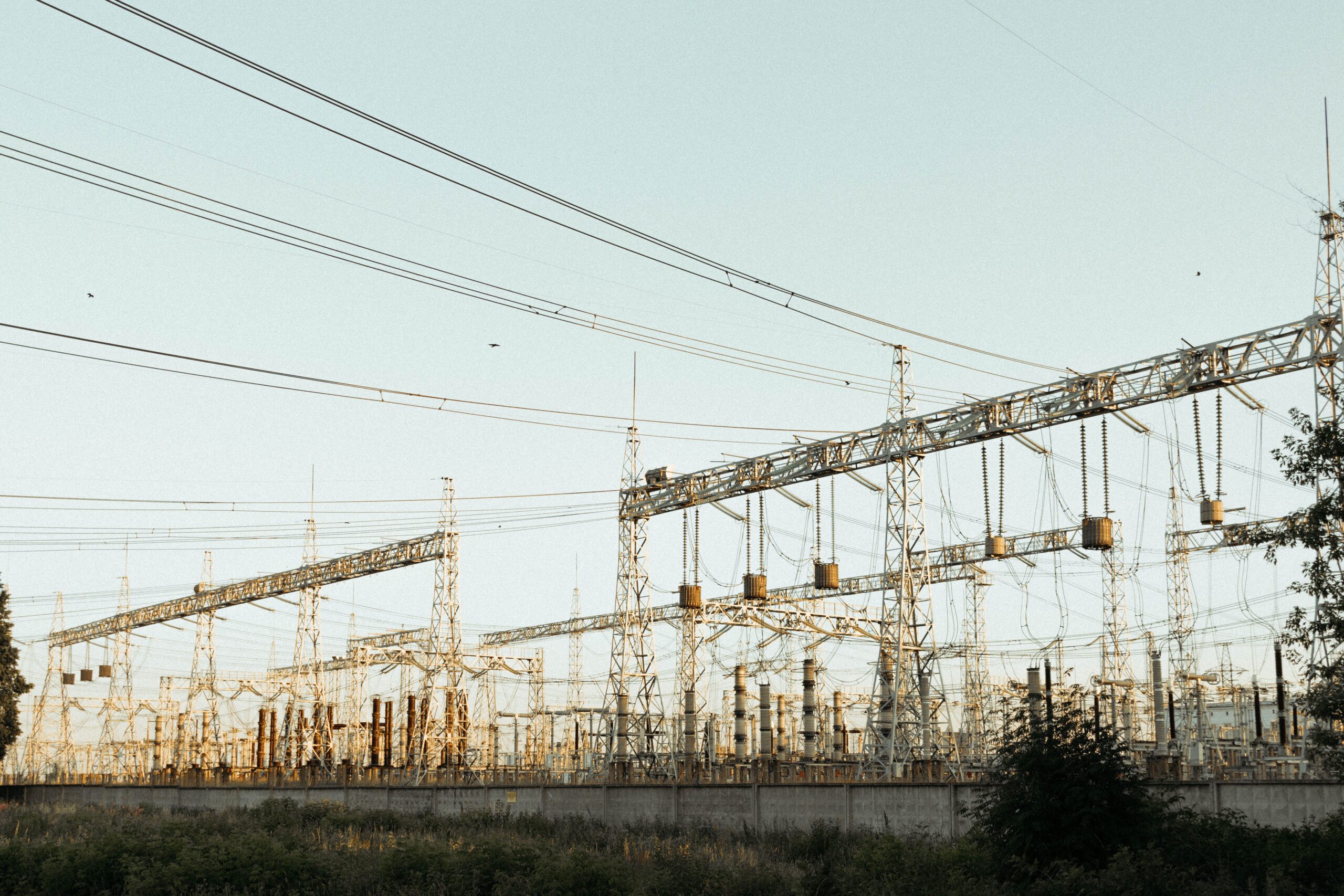
Power availability remains the primary constraint affecting construction timelines and delivery capabilities across the broader Asian region. Resolving grid infrastructure issues typically spans years to decades, creating a significant hurdle for the rapid expansion demanded by AI. To bridge this infrastructure gap, public-private partnerships are becoming essential. Governments, which often oversee state-owned or heavily regulated utilities, are taking the lead, while private operators and hyperscalers are increasingly investing directly in power generation and renewables. Malaysia has been highlighted as a prime example of this collaboration, where government-utility efforts continue to progress. Additionally, operators are adopting tailored approaches to balance power usage effectiveness (PUE) and water scarcity. In Mumbai, for instance, some facilities are sourcing treated wastewater from nearby purification plants rather than potable water, achieving highly efficient PUE levels.
Geopolitics and regulatory shifts have introduced higher compliance overheads, requiring operational adjustments such as enhanced due diligence that extends beyond direct customers to ultimate end-users and supply chain participants. Despite these administrative burdens, the underlying demand momentum has not been deterred. Coordination between computing power and electrical power serves as the core of regulatory intelligence. In Malaysia, authorities have announced power tariffs for data centers and introduced limits on non-AI related data center development over the past year. In China, the regulatory landscape is heavily shaped by national strategies like the “East Data, West Computing” project, which promotes concentrating computing facilities in western regions rich in green power. More recently, window guidance on new data center approvals has been implemented to control capacity supply growth and align it with national computing hubs.
Looking ahead, the region’s growth is expected to be broad-based. The SIJORI (Singapore–Johor–Riau Growth Triangle), established between Indonesia, Malaysia, and Singapore, has emerged as a strategic node for the interconnected data center ecosystem. Beyond this triangle, analysts identify India, Japan, and the Philippines as key growth markets. India is expected to grow rapidly, supported by favorable demographics, deep engineering talent, and strategic proximity to the Middle East. Japan is flagged as a standout market with government-backed initiatives driving aggressive expansion, while the Philippines is emerging as a strong growth market due to reduced regulatory red tape and scalable power availability. As these markets mature, the interplay between rapid AI adoption, power infrastructure development, and geopolitical regulation will define the next phase of Asia’s digital economy.