
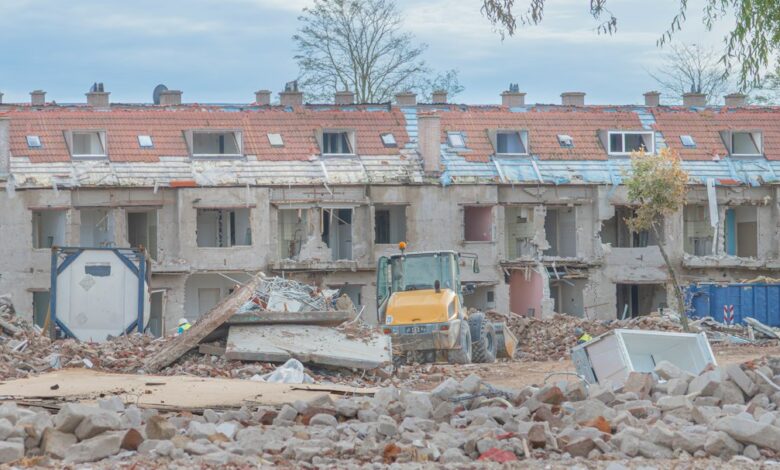
The operational details provided by Ukrainian officials describe a precise timing of the assault that maximized civilian exposure. Zelensky stated in his nightly video address that Russian forces initiated the attack just as residents were arriving at the school to collect their weekly humanitarian packages. “The Russians struck first just as people were arriving — a few aerial bombs,” he said. Following this initial impact, a second strike was delivered, this time targeting the shelter itself with additional air bombs. Zelensky characterized the incident as a “vile terrorist strike,” asserting that the Russian military was aware of the routine gatherings in Komyshuvakha for aid distribution.
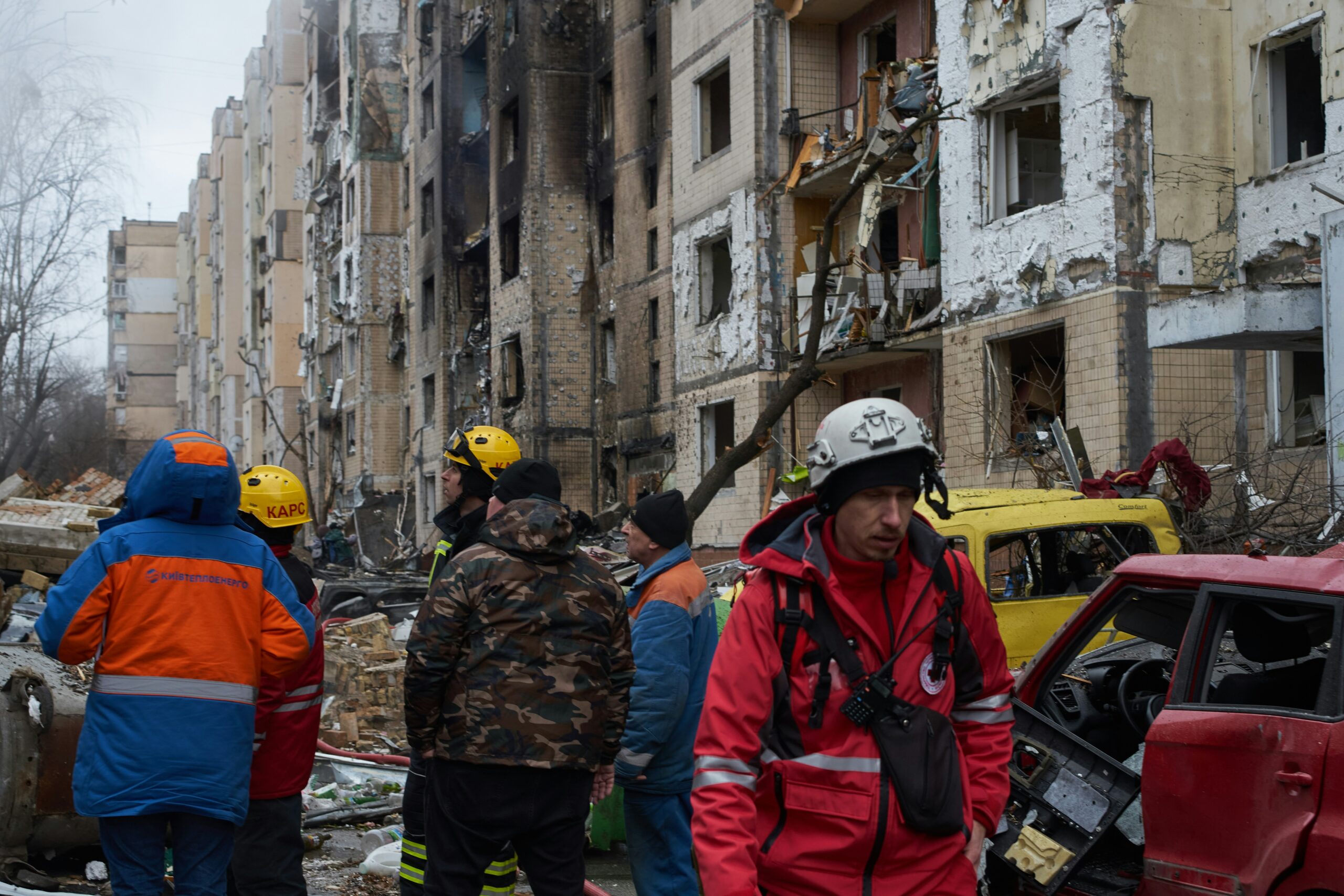
The casualty toll includes not only civilians but also members of the emergency response infrastructure. Ukrainian emergency services confirmed that two members of a rescue crew and four police officers were among the dead. Additionally, five individuals were being treated for wounds in a hospital, including two rescue workers. Regional police reported that officers and rescue teams were actively attempting to reach residents believed to be trapped under the rubble. Visual evidence posted online depicted smouldering debris scattered throughout the area, underscoring the destructive power of the munitions used. The absence of students in the building at the time of the strike is noted by Zelensky, who clarified that classes were not being held because the village lies too close to the active combat zone, southeast of the region’s main city, also known as Zaporizhzhia.
The strategic context of the strike is significant due to its temporal proximity to diplomatic and humanitarian efforts. The attack occurred one day after the expiry of a six-day local ceasefire. This temporary cessation of hostilities had been arranged specifically to allow aid to be delivered to Oleshky in the southwest Kherson region and to facilitate the evacuation of residents who wished to leave. The timing suggests that the resumption of hostilities was immediate and intense, targeting infrastructure that had been a focal point of recent humanitarian logistics. While the sources do not provide specific intelligence on the decision-making process behind the targeting, the official Ukrainian narrative posits that the regularity of the aid distribution made the location a predictable target for military planners.
From a defensive and security perspective, the incident illustrates the severe limitations of using civilian structures for dual-use purposes in active conflict zones. Schools and other public buildings, when converted into shelters or aid depots, become high-value targets in the calculus of air power, particularly when logistical routines create predictable patterns of human presence. The use of aerial bombs, as described by Zelensky, indicates an engagement that prioritizes area denial or disruption of supply lines over precision, though the specific type of ordnance was not detailed in the available reports. The involvement of police and rescue personnel in the casualty count highlights the systemic risk borne by domestic security forces who operate in the immediate aftermath of such strikes, often without adequate protective gear against secondary explosions or structural collapse.
Uncertainties remain regarding the broader operational objectives of the strike beyond the immediate destruction of the aid point. While Ukrainian officials frame the event as a deliberate attack on humanitarian infrastructure, independent verification of the specific intent or command authority behind the order is not present in the provided materials. The report relies on statements from the Ukrainian President and emergency services, which are primary sources for the casualty figures and the sequence of events. The “smouldering rubble” and the ongoing search for trapped residents indicate that the immediate phase of the disaster is still unfolding, with the final death toll potentially subject to revision as rescue operations continue.
The geopolitical and military implications of this event extend to the integrity of humanitarian corridors and the safety of civilian populations in buffer zones. The expiration of the ceasefire in the Kherson region and the immediate subsequent strike in Zaporizhzhia suggest a pattern where humanitarian pauses are short-lived and fragile. For defense analysts, the incident serves as a case study in the challenges of protecting civilian infrastructure in contested areas, where the distinction between military and civilian use blurs, and where the predictability of humanitarian logistics can be exploited by opposing forces. The lack of classes at the school, while reducing the number of potential victims from the student body, did not mitigate the risk to the adult population relying on the facility for survival supplies.
As the search for survivors continues in the rubble of Komyshuvakha, the focus shifts to the next confirmed developments in the regional conflict. The immediate military and policy response will likely involve further statements from Ukrainian authorities regarding the attribution of the attack and potential retaliatory measures, as well as international reactions to the targeting of a humanitarian aid point. The situation in Zaporizhzhia remains volatile, with the front line’s proximity dictating the pace of both military engagement and humanitarian crisis. The tragedy in Komyshuvakha stands as a stark reminder of the human cost of sustained aerial bombardment in densely populated areas, where the infrastructure of survival becomes a target in the broader strategic contest.