

The medical significance of this outbreak is compounded by the specific nature of the pathogen. Unlike the more common Zaire strain, for which vaccines and treatments exist, the Bundibugyo variant has no approved therapeutic interventions. Health workers are limited to providing supportive care based on symptoms, a standard of care that offers little more than comfort in the face of a virus with a fatality rate exceeding 50 percent. Of the approximately 10,444 people infected in the DRC, Uganda, and Kenya, only 2,788 have recovered. This lack of specific medical countermeasures places an immense burden on frontline clinicians who must rely on basic infection control and supportive nursing to prevent further transmission and death.
The spread of the virus has transcended national borders, highlighting the interconnectedness of regional health security. Uganda recorded 20 cases, almost all involving travelers from the DRC, before declaring itself Ebola-free in August. However, the threat has persisted; in October, Kenya recorded its first-ever Ebola cases, resulting in two deaths and nine infections. More recently, Nigeria, Africa’s most populous nation, reported its first imported case in over a decade in October. While two suspected cases in Nigeria’s northeast region tested negative on two rounds of testing, the initial report signals the virus’s reach into West Africa. In France, a single case involving a health worker returning from the DRC was reported in July, illustrating the global nature of the risk for returning personnel.

Containment efforts have been severely hampered by structural and political challenges unique to the region. Eastern Congo, particularly Ituri and North Kivu provinces, is a zone of active conflict between government forces and armed groups, including the Rwanda-backed M23 rebel group and the Allied Democratic Forces (ADF) along the Ugandan border. This instability restricts the movement of health workers and facilitates community transmission. According to the Africa CDC, approximately 80 percent of new cases are detected outside monitored chains of transmission, meaning health authorities cannot trace these infections to previously identified contacts. Dr. Patrick Otim, a program area manager with the World Health Organization, noted that one-third of recorded deaths involve individuals who died outside treatment centers before testing. “These are people we never had opportunity to try to save,” Otim said, highlighting the critical failure in early detection and access to care.
Community distrust further complicates the response. Widespread suspicion has led to attacks on health workers and medical facilities. Last week, a nurse was killed while responding to an Ebola alert, and in September, a politician from the ruling party was killed after advocating for health measures on radio. Additionally, health workers have staged multiple strikes over prolonged payment delays, shutting down facilities treating infected patients. These disruptions in the health system create gaps in surveillance and care, allowing the virus to circulate more freely. The outbreak has now affected 67 of the DRC’s 178 health zones across eight provinces, with 50 zones reporting active cases.
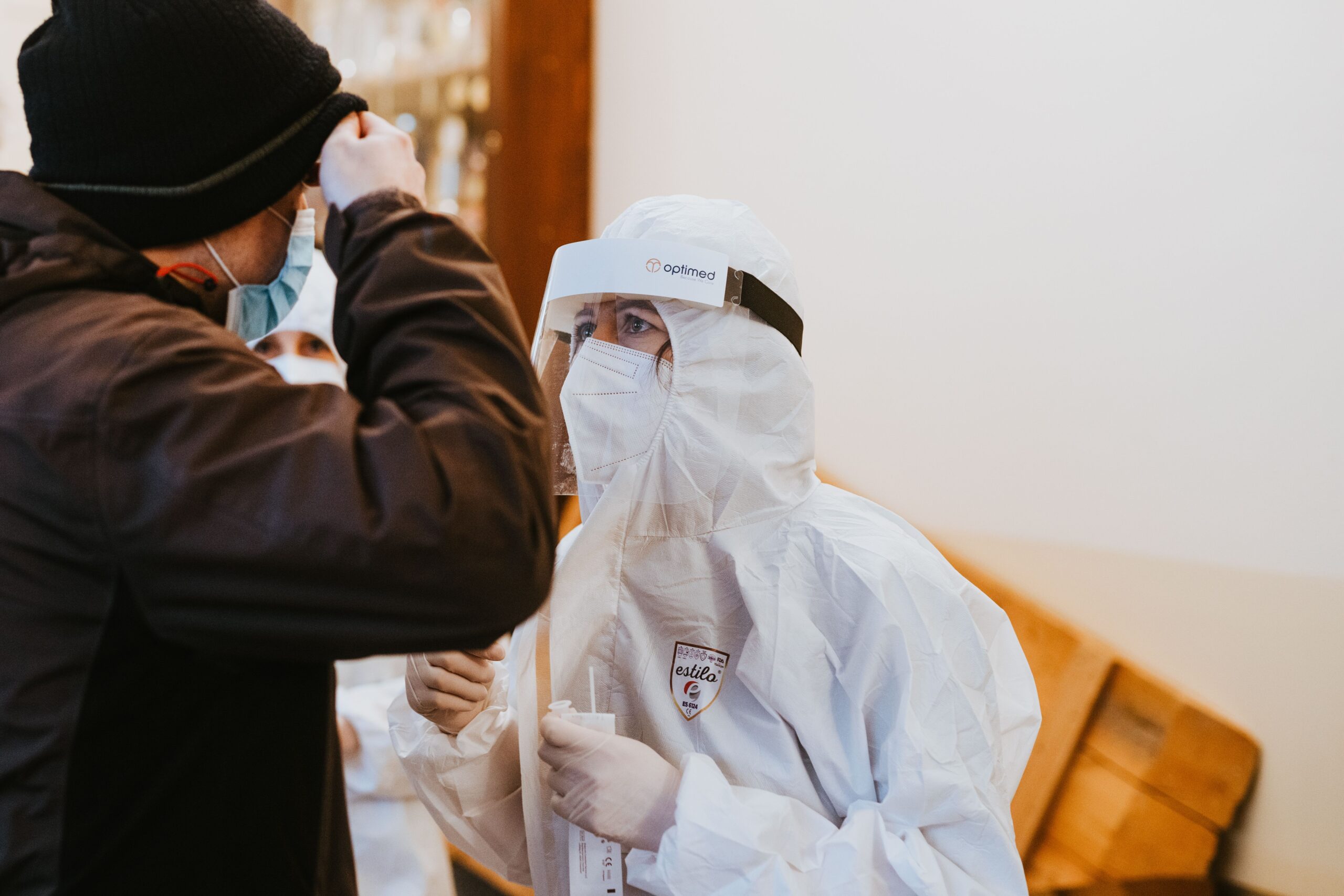
In response to the geographic spread, several governments have implemented travel restrictions. Saudi Arabia suspended travel to and entry from Kenya, prohibiting entry for travelers who have been in Kenya or other affected countries within the previous 21 days. Similar measures were previously applied to the DRC, Uganda, and South Sudan in June. These actions reflect the broader international anxiety over the potential for further cross-border transmission.
As the death toll continues to rise, the medical community is turning to experimental solutions. Clinical trials have recently begun using the Ervebo vaccine, which has proven effective against the Zaire strain, to test its efficacy against the Bundibugyo variant. However, until such trials yield conclusive results, the primary defense remains rigorous contact tracing, community engagement, and supportive care. The next verified development will depend on the outcomes of these clinical trials and the ability of health authorities to restore stability and trust in the affected regions, ensuring that patients receive a “fighting chance to survive” in a landscape where the virus continues to outpace the response.