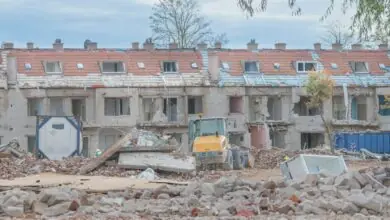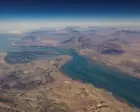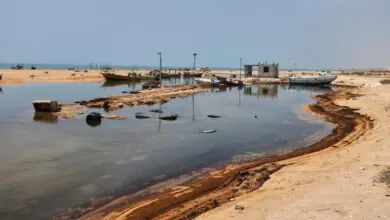
Qeshm Island, the largest island in the Strait of Hormuz, is a critical node in Iran’s naval strategy. Analysts identify the site as the primary platform for Iran’s “asymmetric” naval power, which relies on fast-attack craft, anti-ship missiles, and mines to challenge conventional naval superiority in the waterway. The Strait of Hormuz is a chokepoint for global energy supply; its closure or disruption in early 2026 triggered a surge in oil and gas prices and extensive damage to military and civilian infrastructure across the Gulf region.
The operation appears calibrated to avoid signaling a broader escalation. According to the Journal, the U.S. has conducted a series of low-profile strikes against Iran in recent weeks. The deliberate ambiguity of these operations suggests an intent to maintain military pressure without triggering a comprehensive resumption of hostilities, which began on February 28 with joint U.S. and Israeli strikes across Iran. Witnesses on Qeshm Island reported hearing several explosions in rapid succession late Monday, with some seeing two aircraft flying over the island, according to Iran’s state-owned IRNA news agency.
This military action unfolds against a backdrop of intense diplomatic maneuvering mediated by Qatar. Qatari officials have been engaged in indirect talks with Iranian leadership to avert a return to all-out war. However, progress has been slow. An official briefed on the negotiations told Reuters that the Iranian delegation departed Doha on Sunday, though a draft proposal remains under circulation. On Monday, Qatari mediators traveled to Tehran to meet with Iranian Foreign Minister Abbas Araghchi to discuss a version of a U.S.-Iran deal that has been under negotiation for the past eight days.
The diplomatic track appears to be gaining momentum at the highest levels of government. Iranian President Masoud Pezeshkian stated that Supreme Leader Ayatollah Mojtaba Khamenei has granted the government “certain authorities” over negotiations with the U.S., a significant shift since the breakdown of the June memorandum. Pezeshkian emphasized Tehran’s desire to resolve the conflict through dialogue, while Foreign Minister Araghchi told IRNA that consultations were “very intensive” and that Iran’s demands were “clear and logical.” Araghchi noted that the plan Iran submitted in September remains the focus, though it could be streamlined for implementation within two days, including the reopening of the Strait of Hormuz and the resumption of talks on Iran’s nuclear program.
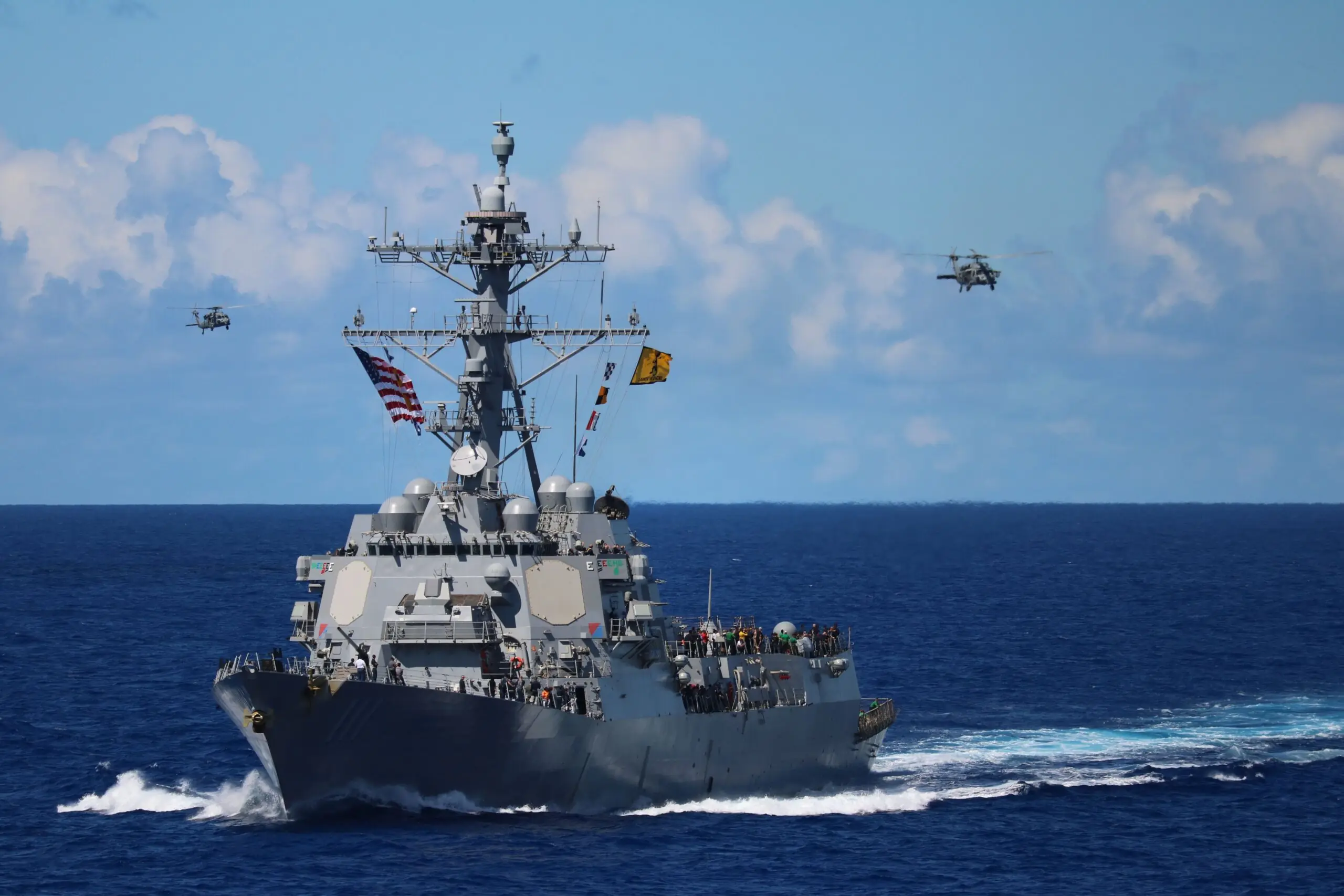
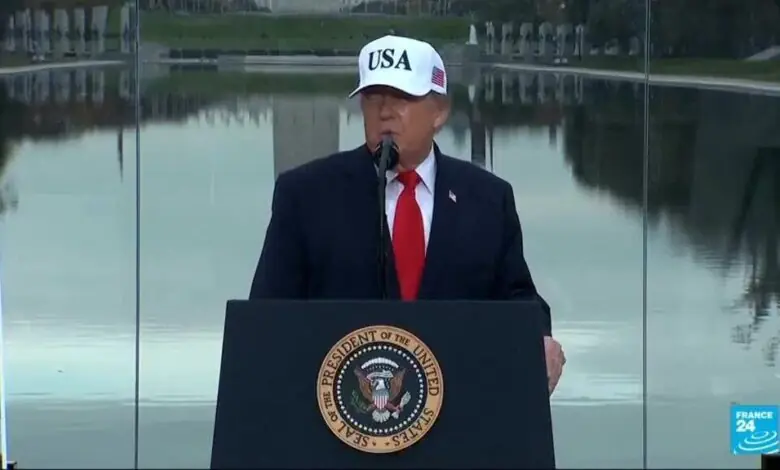
In Washington, the administration is balancing military deterrence with diplomatic overtures. Vice President JD Vance told CNN that both he and President Donald Trump are “really good” about the prospect of a negotiated settlement. Secretary of State Marco Rubio reinforced this stance on Sunday, stating that the President prefers to resolve the war diplomatically rather than through military force. This dual-track approach is complicated by domestic economic pressures. High oil prices have contributed to inflation and elevated gasoline costs in the U.S., a significant concern for the administration ahead of Tuesday’s midterm elections. Last week, two Federal Reserve presidents indicated that interest rates may need to rise to rein in inflation, a move that could further constrain consumer growth.
The immediate impact on global markets was visible Tuesday morning. Brent crude climbed 1.75% to $106.60 per barrel, while West Texas Intermediate rose 1.7% to $98.10. This rebound follows a 7% sell-off on Monday, when earlier signals of diplomatic progress had temporarily eased market fears. Without a confirmed breakthrough in the Qatari-mediated talks, markets remain sensitive to reports of further U.S. strikes, which were previously feared to mount in intensity after the midterm elections.
While the strikes on Qeshm Island are tactical in nature, their strategic implications are significant. They demonstrate that the U.S. is willing to use force to protect its assets and assert dominance in the Strait of Hormuz, even while engaging in serious diplomatic efforts. The “parallel tracks” of war and peace create a volatile environment where a minor miscalculation could unravel fragile diplomatic gains. For now, the focus remains on whether the draft proposal circulating in Doha and Tehran can be finalized before the U.S. midterm elections conclude, or if the military campaign will intensify in the coming weeks.