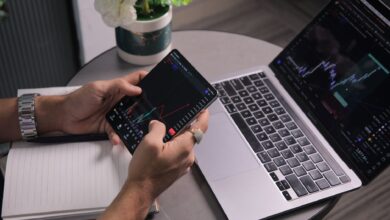
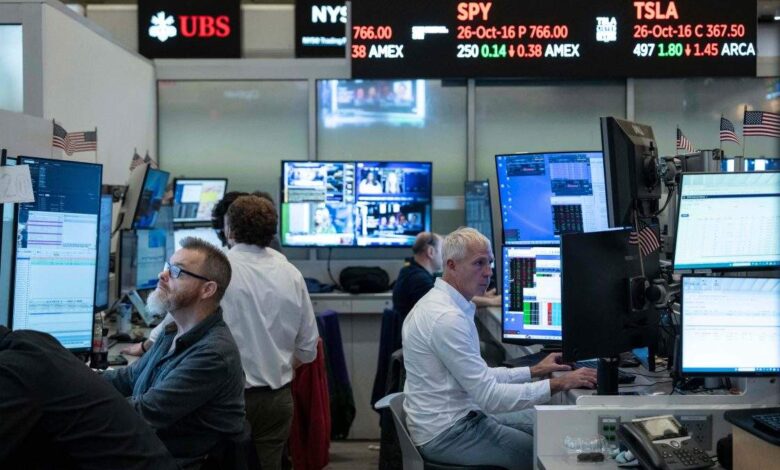
As of 9:35 a.m. Eastern Time, the S&P 500 advanced 0.2 percent, a gain driven primarily by technology heavyweights despite a broader breadth where more stocks within the index fell than rose. The Dow Jones Industrial Average declined by 232 points, or 0.4 percent, while the Nasdaq composite climbed 0.5 percent. This divergence highlights the market’s bifurcated nature, where capital is concentrating in specific high-growth sectors while broader industrial and consumer stocks face headwinds.
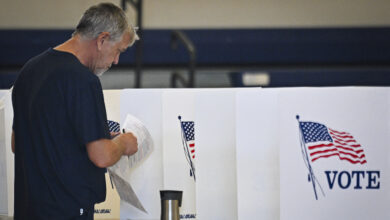
The central driver of market unease is the upcoming U.S. midterm elections. Wall Street analysts indicate a preference for a split Congress, viewing shared control of Washington as a mechanism that reduces the risk of transformative economic policies. Conversely, there is growing concern that a Democratic sweep could lead to increased regulation on AI development. However, it is noted that President Donald Trump would retain veto power, limiting the immediate legislative impact of such a shift. Historically, the impact of midterms on the broader market has been muted; according to Brock Weimer, an analyst at Edward Jones, the S&P 500 has recorded a positive return in the six months following every midterm election since 1970.
Within the technology sector, Apple Inc. faced significant pressure, with shares dropping 3.4 percent in early trading. The decline occurred despite the company reporting stronger revenue and profit for the latest quarter than analysts had forecast. The primary headwind is structural: the explosive demand for AI data centers has driven up the cost of memory chips. Apple, which had previously been viewed as less dependent on the AI frenzy, is now feeling the squeeze on its margins. The company warned that it expects to generate less profit from each dollar of revenue in the final quarter of the year, a direct result of these elevated input costs.

This margin pressure contrasts with the performance of other AI-centric firms, which continued to support the broader index. Nvidia, a key supplier of AI computing power, rose 3.1 percent, serving as the strongest upward force on the S&P 500. CoreWeave, a company that leases AI chips to customers via the cloud, also gained 2.6 percent. These moves come amid a recent period of significant swings in AI-related stocks, as investors reassess whether valuations have peaked following the initial frenzy. Palantir Technologies, however, fell 4.2 percent despite beating profit expectations. The software company noted a significant structural shift in its revenue mix, with U.S. commercial revenue soaring 148 percent year-over-year, surpassing its revenue from the U.S. government for the first time.
Beyond technology, traditional industrial and materials companies showed strength against the backdrop of persistent economic activity. Celanese climbed 4.9 percent and DuPont added seven percent, both following earnings reports that exceeded summer profit expectations. These gains reflect a broader market expectation that U.S. corporate profits will continue to grow, sustaining the S&P 500’s record high set last month, even in an environment characterized by high inflation and elevated interest rates.
In Canada, the Toronto Stock Exchange (TSX) fell approximately 0.75 percent as of 10:30 a.m. Eastern Time. The index was weighed down by a nine percent drop in Shopify shares following mixed earnings results. Meanwhile, in international markets, sentiment remained mixed. South Korea’s Kospi index suffered one of the world’s sharpest declines, dropping 3.6 percent, driven by losses in its two major technology firms, Samsung Electronics and SK Hynix. In Australia, stocks rose 0.3 percent after the Reserve Bank of Australia raised its benchmark interest rate for the fifth time this year, signaling a continued commitment to addressing domestic inflationary pressures.
Commodity markets also reflected the prevailing uncertainty. Brent crude oil prices exhibited sharp intraday volatility, climbing above US$107 per barrel in the morning before retreating below $101 amid ongoing uncertainty regarding the conflict with Iran. The benchmark most recently traded at $103.80, down 0.9 percent. This whipsaw action illustrates how geopolitical risks continue to complicate energy markets, adding another layer of volatility to an already turbulent trading environment.
Investors will continue to monitor corporate earnings releases and geopolitical developments in the coming days, with the U.S. midterm elections serving as a key catalyst for potential shifts in regulatory risk and market sentiment.