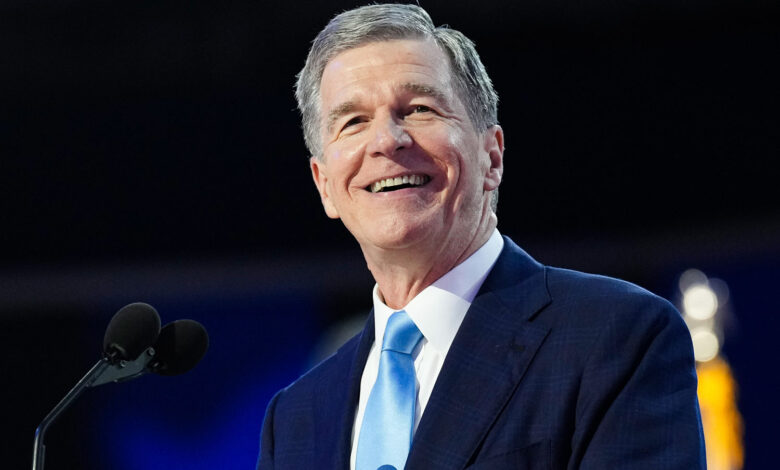
The result marks the first time a Democrat has won a Senate seat in North Carolina since 2008. Cooper will succeed retiring GOP Senator Thom Tillis, who chose not to seek re-election after growing increasingly critical of President Donald Trump during his second term. The outcome is significant as it represents the first midterm Senate race in North Carolina held with Trump in power, an environment that historically poses challenges for the party controlling the White House.
In the closing weeks of the campaign, a top Republican super PAC canceled its ad spending in the state. This decision was made to focus resources on protecting seats in more conservative territory, coinciding with Cooper building a solid lead in the polls. The abandonment of North Carolina as a front-line battleground resulted from several factors, including Cooper’s high name recognition as a popular two-term governor and the lack of significant attacks available to Republicans against his record.
Cooper, a prized recruit for national Democrats, avoided a contentious primary and focused his campaign almost entirely on the cost of living, a top voter concern. In contrast, Whatley, who had previously led the state party and served as RNC chairman during the 2024 election, had not run for elected office before. Despite rallies with Trump and Vice President JD Vance in the final stretch to boost his campaign, Whatley struggled to distance himself from an increasingly unpopular president as voters soured on the economy and the Iran war.
President Trump himself signaled in the closing weeks that Cooper was likely to win. “He’s going to become your senator,” Trump said at an October rally in the state. “And it’s crazy.” The race had not been held in 2018, Trump’s last midterm, making this the first such contest in the state under the current administration.