
The central development of this election cycle is the Democrats’ broad gains across almost all demographic groups, marking a savage rejection of the president, his allies, and his second-term agenda. For months, surveys indicated that voters were fed up with high prices, the war in Iran, and what is increasingly described as the Trump administration’s corruption. A president who was narrowly elected on the promise of a steady economic hand instead spent two years pursuing an extreme ideological agenda favored only by a minority of Americans. By ignoring the signals from voters, the administration delivered a harsh verdict that has now reshaped the institutional landscape of the United States.
The political significance of these results is most visible in the transformation of the American political map. Democrats are winning in places where they have been counted out for a generation. In Texas, Democrat James Talarico powered to a convincing victory for the Senate, a state where the last Democrat to win election as a senator was in 1988, and where the last presidential win for the party was Jimmy Carter in 1976. If elections in Texas become permanently competitive, it will become significantly harder for Republicans to secure the presidency in future cycles. This shift forces the Republican Party to look nervously toward the 2028 election, prompting the first serious debate within the party since 2016 about whether to move away from the aggressive nationalism and bigotry associated with the “Make America Great Again” movement.
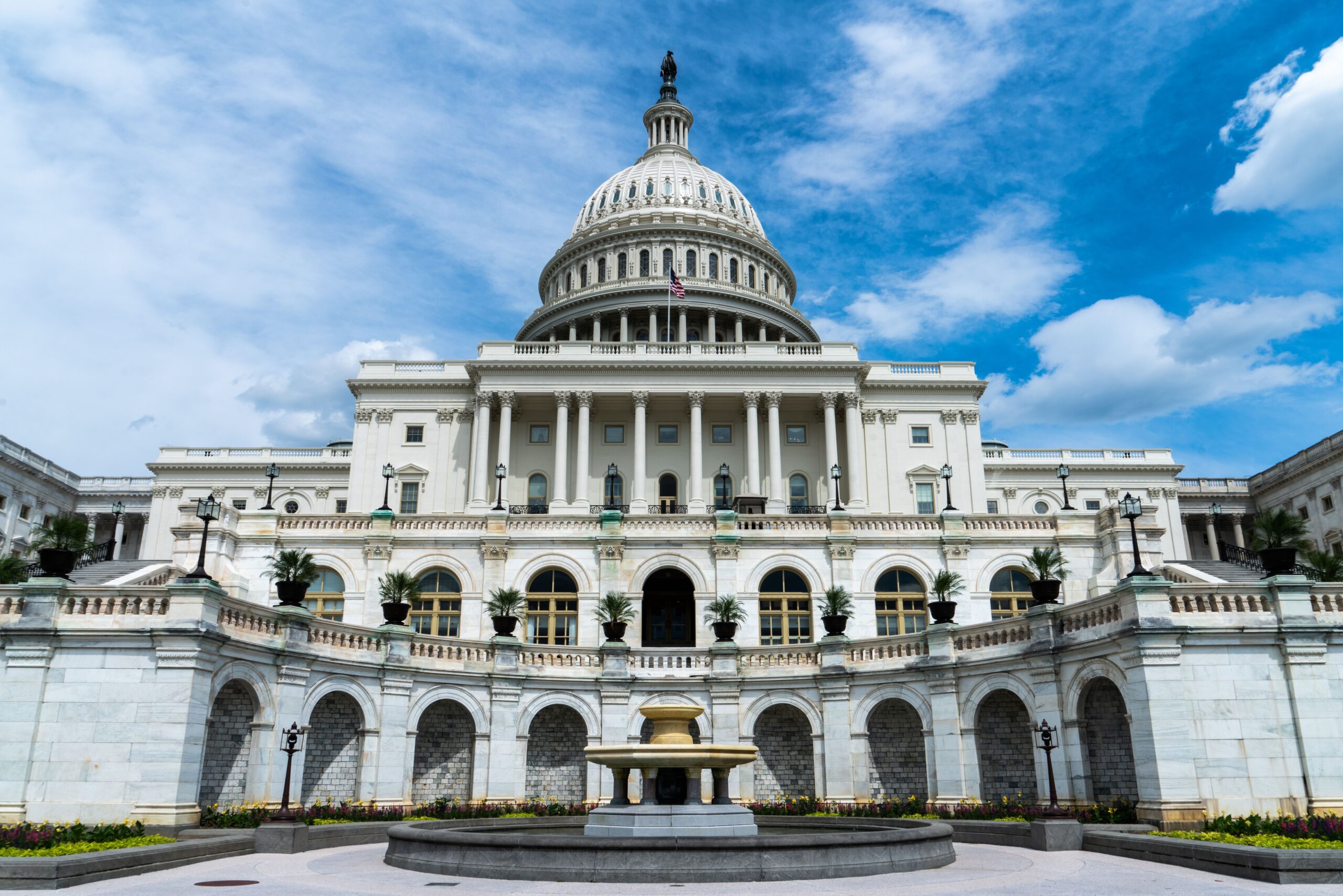
Institutionally, the shift in power dynamics alters the balance between the executive and legislative branches. While Congress holds constitutional roles in declaring war and ratifying treaties, it tends to be less involved in foreign policy compared to the presidency. Consequently, despite the electoral setback, President Trump remains in office until 2028 and retains significant authority over foreign policy. However, the domestic governance landscape has changed dramatically. The new congressional majority is positioned to challenge the administration’s domestic agenda, which was characterized by a focus on ideological priorities that failed to resonate with the broader electorate. The principal actors in this new dynamic are the Democratic-led Congress, seeking to capitalize on their victories by implementing policy changes that address the economic and social concerns that drove voters to the polls, and the White House, which must now navigate a hostile legislature while attempting to secure a legacy.
The opposition to the current administration is no longer confined to traditional strongholds but is now evident across the country. The “savage rejection” noted in the results suggests that the opposition is not merely a partisan counter-move but a broad-based response to the administration’s handling of the economy and international conflicts. The war in Iran and the perception of administrative corruption were cited as key factors in voter dissatisfaction. This indicates that the political grievances are substantive and widespread, rather than localized to specific demographic niches. The Democrats’ ability to win across demographic groups suggests a coalition that is broader than typical midterm surges, potentially providing them with a more durable mandate for legislative action.

Uncertainty remains regarding how quickly policy changes will materialize and the extent to which the President can circumvent a hostile Congress. While the President retains significant power in foreign affairs, the domestic legislative gridlock is likely to intensify. The Republican Party faces an internal crisis of identity, with the debate over the “Make America Great Again” movement’s trajectory becoming a central issue for the 2028 cycle. Democrats, meanwhile, face questions about how to translate their electoral victory into concrete governance achievements without overreaching or alienating new voters. The resolution of these internal party dynamics will be critical in determining the next phase of American politics.
The immediate consequence of this election is a fragmented political environment where the executive and legislative branches are aligned with different political bases. The next major political development will likely be the organizational session of the new Congress in January, where the Democrats will formalize their leadership structure and begin agenda-setting for the remainder of the presidential term. This will set the stage for a prolonged period of institutional conflict as the two branches attempt to assert their respective mandates. The political map of the United States has been redrawn, and the institutions governing the country must now adapt to a new reality where the traditional geographic and demographic loyalties have shifted decisively.