The announcement came as incumbent Prime Minister Lee Hsien Loong, 72, confirmed he would step down on Wednesday after leading the country for 20 years. Lee will remain in the cabinet as a senior minister and continue as the chairman of the Research, Innovation and Enterprise Council. This transition marks the formal handover to the “fourth-generation” (4G) of PAP leadership, a group characterized by Wong as a “good mix” of experienced ministers and younger officeholders.
Wong, 51, stated at a press conference at the Istana on Monday that continuity and stability were “key considerations” in the formation of the new team. He noted that there were no major changes to the ministers helming each ministry, a decision intended to maintain policy consistency. Wong will remain at the helm of the Finance Ministry. Other prominent Indian-origin politicians retained their positions: Dr. Vivian Balakrishnan will remain Foreign Affairs Minister, K. Shanmugam will continue as Minister of Home Affairs and Law, and Indranee Rajah will serve as the Minister in the Prime Minister’s Office.
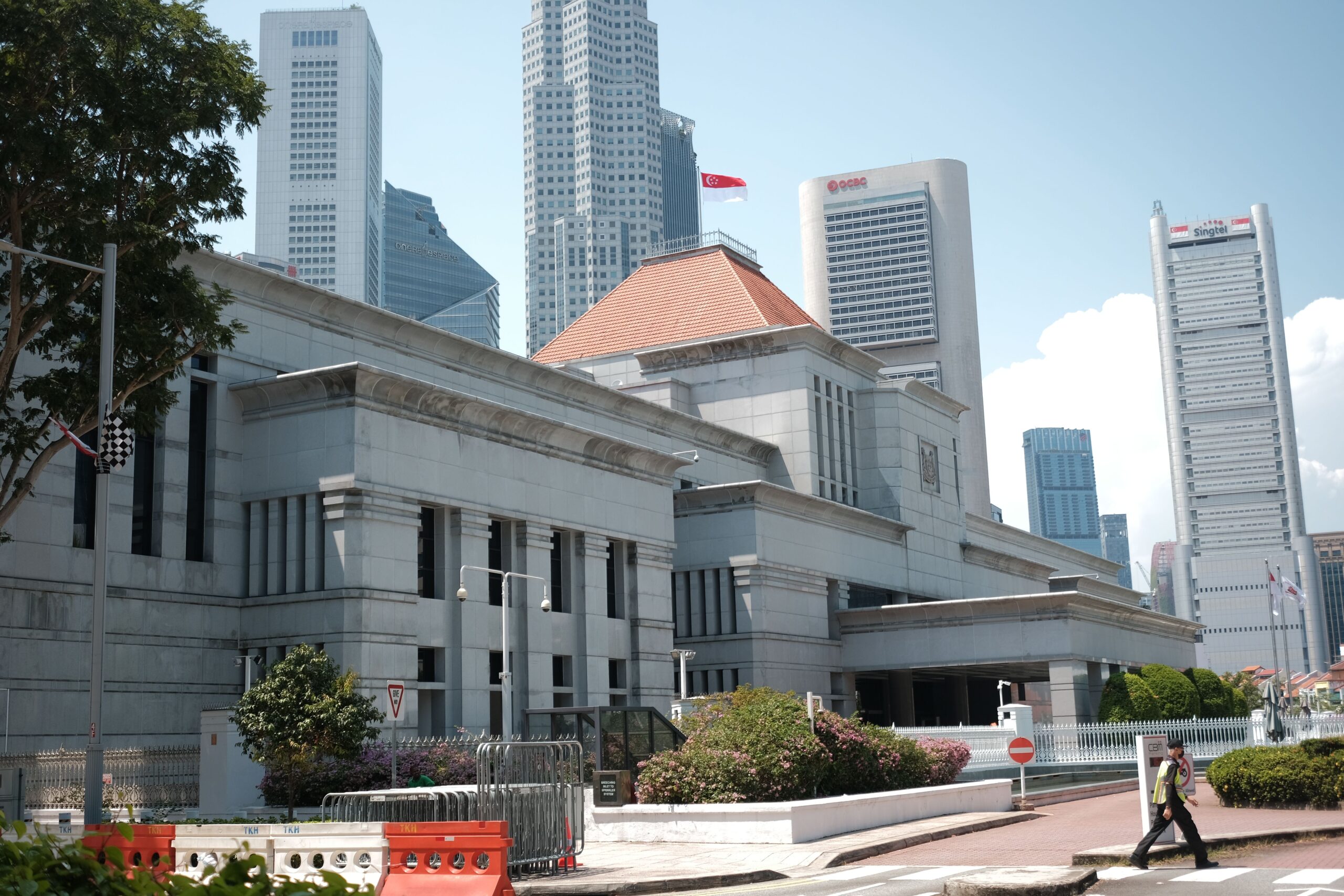
The reshuffle includes significant promotions for senior figures. Gan Kim Yong, 65, was promoted to Deputy Prime Minister while retaining his role as Trade and Industry Minister. In this new capacity, Kim Yong will serve as acting prime minister in Wong’s absence. He will also assume responsibilities for the strategy group within the Prime Minister’s Office and take over as chairman of the Monetary Authority of Singapore, the country’s de facto central bank. Currently, Deputy Prime Minister Heng Swee Keat, 63, will continue in his role. It was previously reported that Heng had been named to succeed Lee but declined the position, paving the way for Wong’s appointment.
The political context surrounding this leadership change is defined by a challenging global environment. Political observers note that the new leadership must navigate a landscape characterized by ongoing war and conflict, including the fighting between Ukraine and Russia, the bombing in Gaza, and disruptions to trade supply chains, such as the clogging of sea lanes in the Red Sea. As an Asian financial hub, Singapore faces these external pressures without exception, requiring a government capable of maintaining economic resilience and geopolitical balance.
Wong outlined his long-term vision for the cabinet, stating that if the PAP is re-elected after the current term, he plans to rotate the 4G ministers to different portfolios. The goal of this rotation is to provide these ministers with “wider exposure and experience,” ensuring a deep bench of leadership prepared for future challenges. This approach reflects the institutional rigor of the Singaporean political system, where stability is often prioritized over rapid structural change, particularly during periods of external uncertainty.

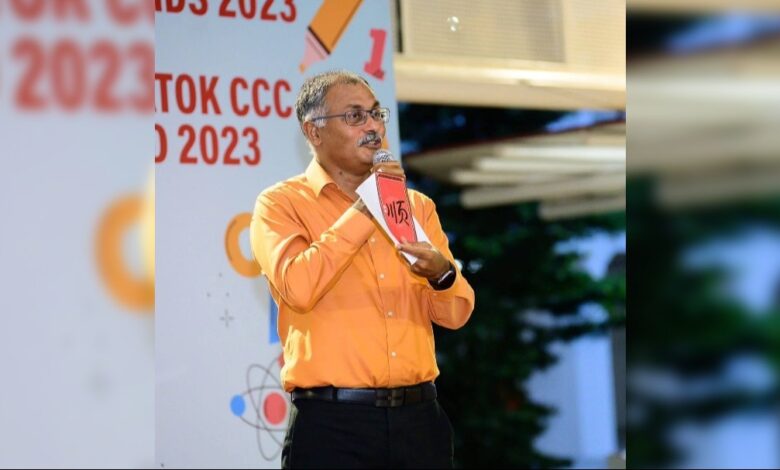
The appointment of Murali Pillai fits within this broader framework of continuity. As a lawyer and MP, his role as Minister of State for Law and Transport places him in a supportive yet significant position within the government structure. While the specific reasons for his delayed swearing-in date of July 1, compared to the May 15 date for his colleagues, were not detailed in the announcement, the appointment underscores the integration of legal professionals into key policy areas. The new cabinet’s structure seeks to balance the immediate needs of governance with the long-term development of the next generation of leaders, ensuring that the administration remains stable as it navigates the complexities of the current international order.
As Lee Hsien Loong steps down from the highest executive office, the focus shifts to how Wong’s team will manage the transition. The retention of key figures like Balakrishnan, Shanmugam, and Rajah suggests a strategy of minimizing disruption during a critical period. The next major political development will be the formal swearing-in of the cabinet members on May 15, with the exception of Pillai, cementing the start of Singapore’s new political era under the fourth-generation leadership.