
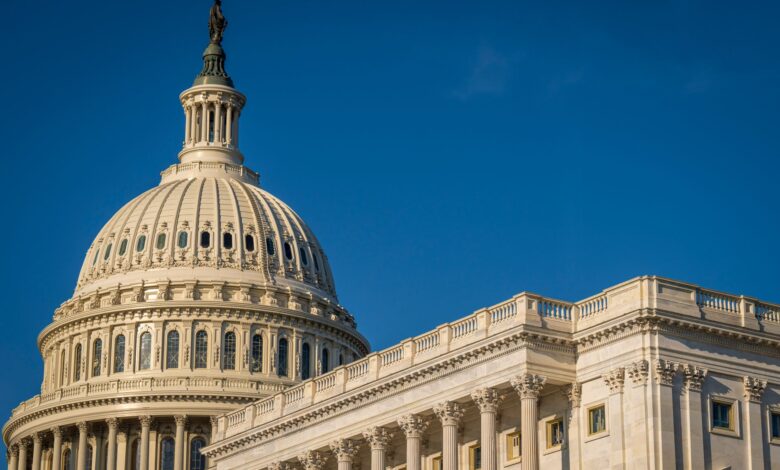
The election outcome is poised to reshape the relationship between Washington and the technology sector, particularly regarding the artificial intelligence infrastructure build-out. Investors responded to the scale of the Democratic gains with immediate market adjustments. Global solar stocks rallied as traders priced in the likelihood of a more favorable policy environment for renewable energy. Conversely, shares of Tesla Inc. and other companies linked to billionaire donor Elon Musk fell in after-hours trading. The Dow Jones Industrial Average futures and S&P 500 futures both slipped on Tuesday evening as the full extent of the Republican setbacks became clear. Analysts note that the results reflect voter frustration with rising prices, the impact of tariffs, and the cost of living, rather than a single specific policy issue.
A central theme of the campaign was the influence of corporate special interests, particularly in the AI data center industry. Texas, a major hub for planned data center construction, became a focal point of this debate. Hinojosa campaigned on a platform that included pausing new data center projects until the state adopted stricter regulations. Her victory, combined with the broader Democratic control of Congress, suggests a more adversarial environment for tech giants. Representatives of the winning party indicated an intent to intensify congressional oversight and scrutiny of tech companies. Rep. Chris Pappas, who won an open Senate seat in New Hampshire, described the results as a “wake-up call” for corporate interests and billionaires who sought to influence the election cycle.

The political shift provides the Democratic Party with a powerful check on the executive branch for the final two years of the current term. With control of both the House and the Senate, Democrats can block portions of the presidential agenda and launch legislative investigations. The election result underscores that economic concerns, including the cost of living and inflationary pressures attributed by voters to tariffs and geopolitical conflicts, remained paramount. The decisive nature of the Texas upsets, where prominent Republican candidates backed by significant financial contributions lost, highlights a disconnect between corporate-backed campaigns and voter sentiment on issues of economic fairness and government transparency.
No further major economic data releases or policy meetings are scheduled in the immediate aftermath of the election, though the new congressional leadership will likely convene to address legislative priorities. The transition of power in Congress is expected to proceed according to standard constitutional timelines, setting the stage for a period of heightened legislative activity and potential regulatory changes affecting the energy and technology sectors.





3 Comments