
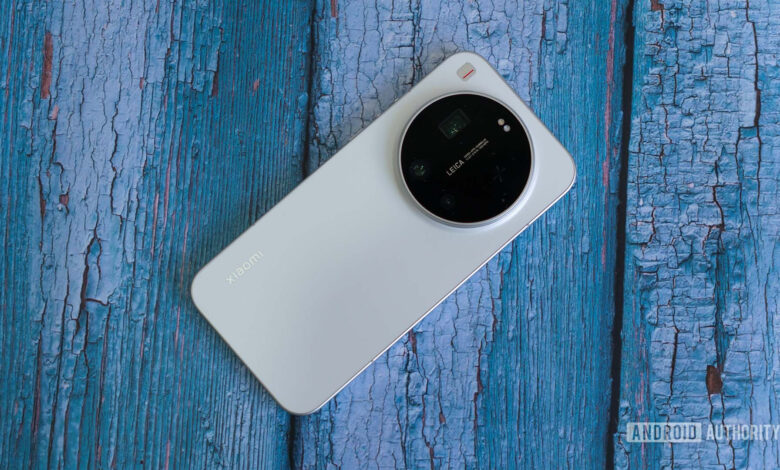
The primary visual change is the introduction of a “Soft Light Glass” design language. This aesthetic features translucent panels, layered notifications, redesigned lock screens, and new customization options for widgets and app folders. While the design shares similarities with other recent industry trends, such as Apple’s Liquid Glass and Google’s Android 17 elements, Xiaomi emphasizes its own implementation of flexible app orientations and enhanced floating-window support. According to the source material, the update is based on both Android 17 and Android 16, with specific devices receiving the new operating system directly over their previous HyperOS 3 builds.
Performance improvements are a central technical component of the update. Xiaomi states that a background AI algorithm optimizes usage patterns, resulting in faster app launches. The manufacturer claims that the overall launch time for 30 distinct apps drops from 40.3 seconds to 36.8 seconds after nine hours of usage, representing an 8.7% improvement over HyperOS 3. Additionally, camera performance has been enhanced, with HDR photo capture times reduced from 313.38 milliseconds to 240.16 milliseconds. Another source cited a nearly 20% speed increase in app launches after a full day of use, though the 8.7% figure is the specific benchmark provided in the detailed technical breakdown.
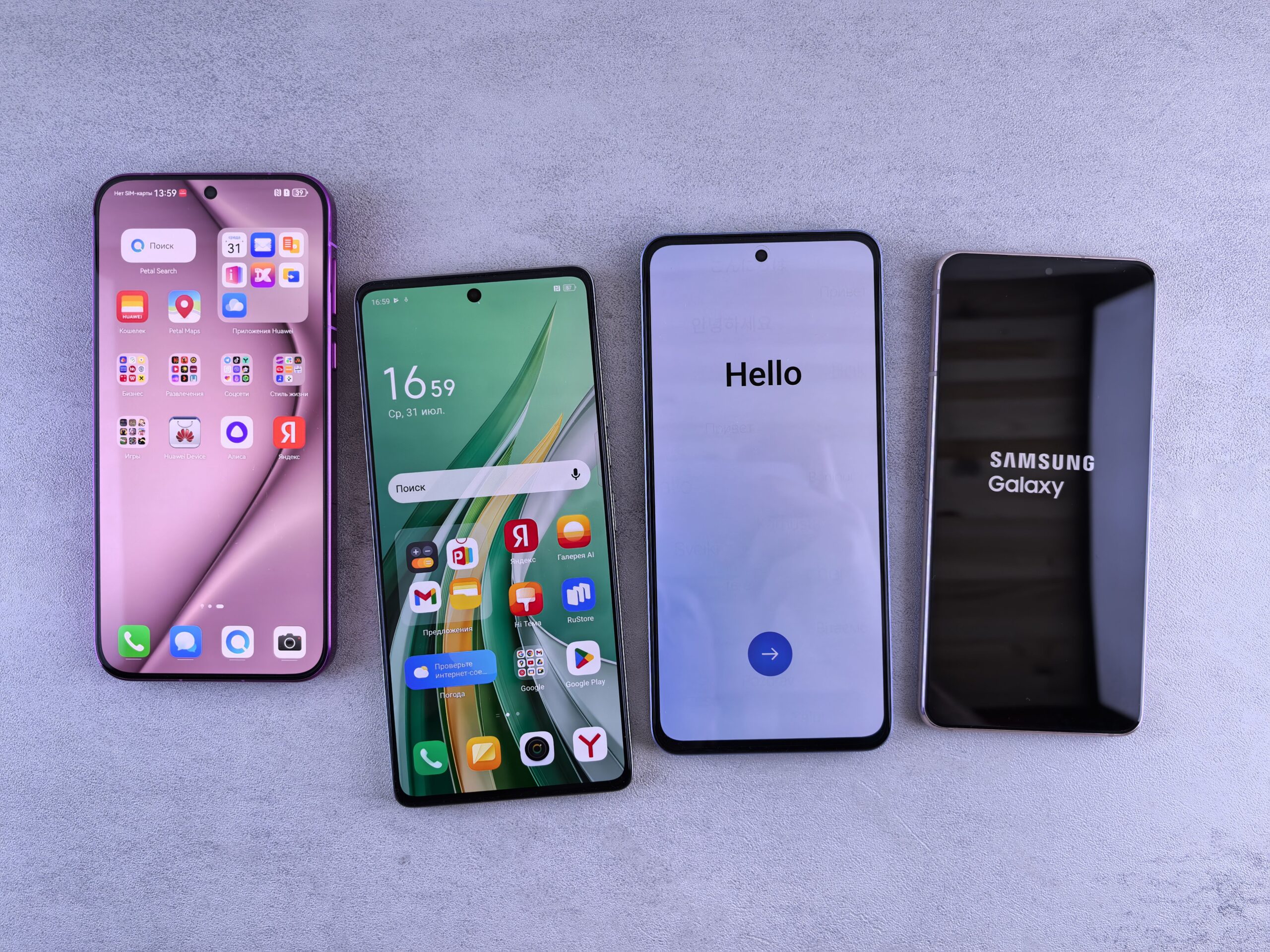
The rollout is structured in three distinct waves. The first batch, beginning in early November, includes 31 devices such as the Xiaomi 17 and 15 series, Redmi Note 17 and 15 families, POCO F8 and X8 lineups, and Xiaomi Pad 8 tablets. A second wave of 16 devices, including the Xiaomi 15T series and POCO F7 and F9 families, is scheduled for mid-November. The final wave, comprising 33 devices, will begin in December and covers older hardware such as the Xiaomi 14 and 13 series, the Xiaomi MIX Flip, and the POCO F6 series. Of the 80 total devices, 65 are smartphones and 15 are tablets.
Users should note that these dates represent the start of the rollout windows rather than guaranteed installation times. Availability will vary by region and specific device model. For those upgrading from stable HyperOS 3 builds, the download size is reported to be larger than 8 GB. The Poco F8 Pro was among the first devices to receive the update globally. Xiaomi has not yet announced specific rollout plans for the year 2027.