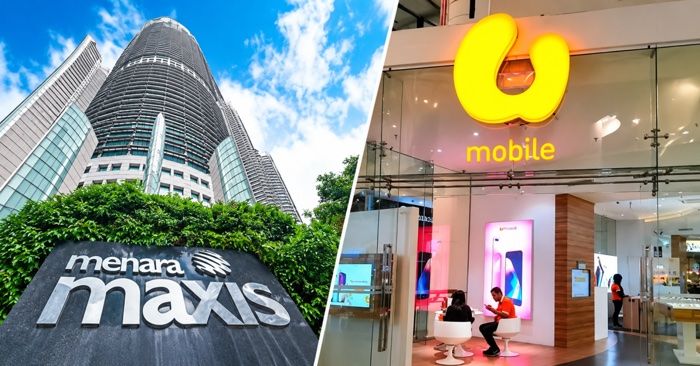
The renewed interest in a merger comes after previous high-level negotiations stalled in February 2026. According to reports from The Edge, talks had been frozen for approximately four months due to significant disagreements over valuation. U Mobile’s shareholders, controlled by the investment holding company Mawar Setia, had previously demanded a price of RM14 billion, a figure described by sources familiar with the discussions as “too crazy” relative to Maxis’s earlier offers, which ranged between RM10 billion and RM12 billion. However, Bloomberg recently reported that U Mobile’s owners are now seeking a valuation of at least RM10 billion. This reduction in the asking price has narrowed the gap, leading analysts to believe a deal is now more probable.
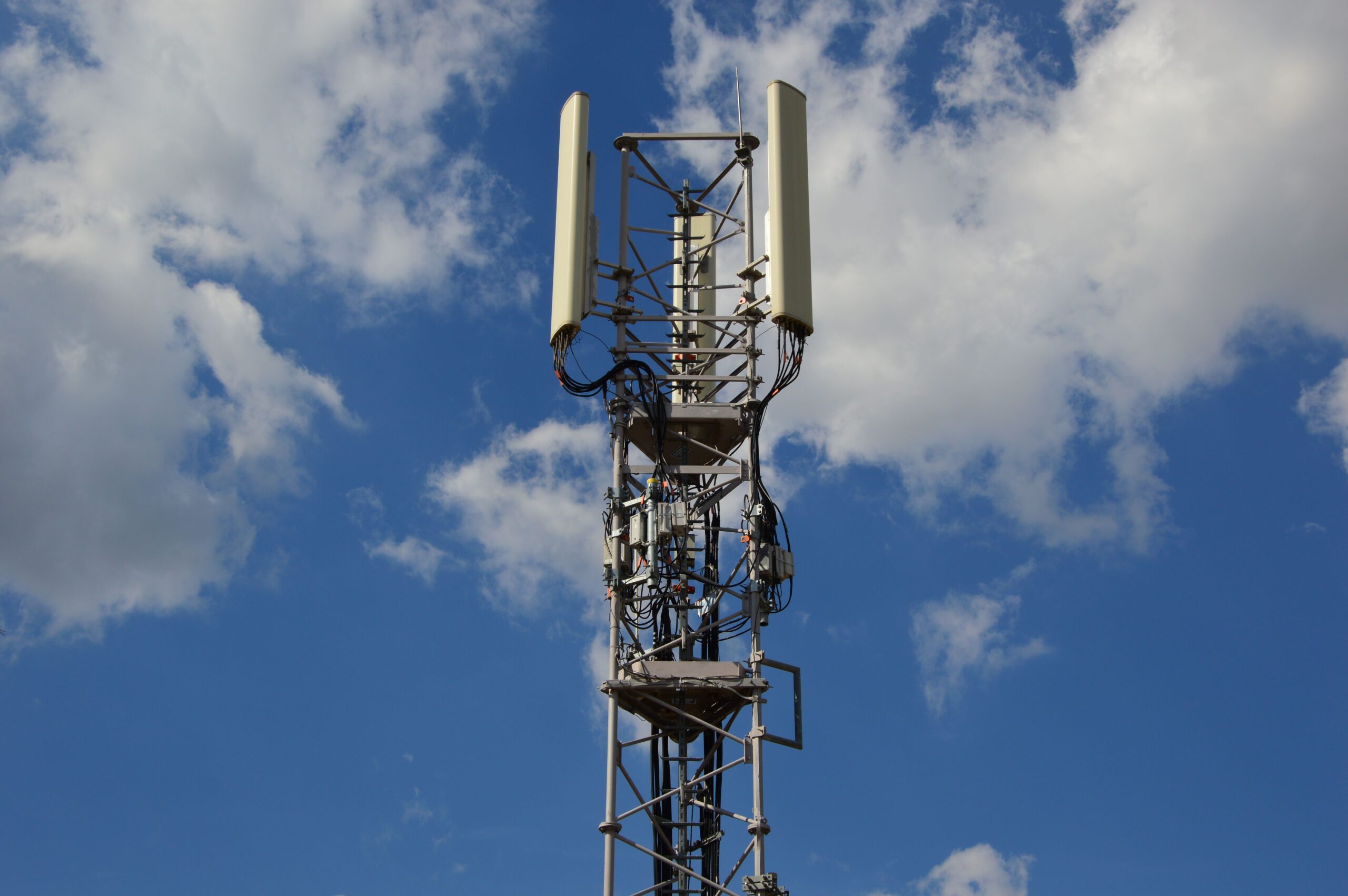
The technological implications of such a merger are profound, particularly concerning Malaysia’s dual 5G network infrastructure. Currently, the country operates two independent 5G networks. One is operated by the government-linked Digital Nasional Berhad (DNB) and utilizes equipment from Sweden’s Ericsson. The other is operated by U Mobile and relies on technology from Huawei and ZTE. Maxis currently does not operate its own 5G network but depends on the national infrastructure. A merger would allow Maxis to gain access to U Mobile’s nationwide 5G network, preserving network differentiation within the combined entity. However, this consolidation would effectively reduce the number of independent 5G operators, potentially altering the strategic flexibility that the dual-network model has provided.
Lorela Chia, founder and president of the Malaysia Association of Sustainable Supply Chain & Innovation (MASSCI), has highlighted the importance of this dual-network environment. In an interview with Free Malaysia Today, Chia noted that businesses often depend not only on a specific 5G network but also on particular technology suppliers, software, and industrial platforms. She argued that the dual-network setup offers a crucial advantage by providing a wider range of choices, allowing businesses to integrate and upgrade their systems without being constrained by a particular technology architecture. If the merger proceeds, the diversity in technology vendors and network operators would decrease, potentially impacting the supply chain resilience and flexibility that Malaysian businesses currently enjoy.

From a commercial perspective, the merger would create a dominant player in the Malaysian mobile market. Based on Maxis’ nearly 10 million subscribers in the second quarter of 2026 and U Mobile’s more than nine million in its last publicly reported figures, the combined entity would have close to 19 million subscribers. This would put it broadly on par with CelcomDigi, which has 20.3 million subscribers. In terms of market capitalization, the merged company would likely exceed that of CelcomDigi, which is currently valued at approximately RM29 billion, compared to Maxis’ current valuation of about RM28.3 billion. Maxis is majority-owned by BGSM Equity Holdings Sdn Bhd, holding 62.22% of the listed telco, with other major shareholders including Citigroup Nominees for the Employees Provident Fund (9.16%) and AmanahRaya Trustees for Amanah Saham Bumiputera (8.03%). U Mobile, on the other hand, is majority-owned by Mawar Setia, which increased its stake to over 50% in March 2026 following the acquisition of shares from Singapore’s ST Telemedia.
Financial analysts have offered mixed views on the immediate and long-term impacts of the merger. Hong Leong Investment Bank (HLIB) Research indicated that while the corporate exercise may weigh on earnings and dividends in the near term due to capital expenditure for 5G and integration costs, it could improve pricing discipline and profitability over the longer term. HLIB noted that absorbing U Mobile, which has been characterized as the industry’s most aggressive price competitor, would reinforce pricing discipline in a market that may otherwise face continued price erosion. The bank suggested that overlapping 4G infrastructure could eventually allow for site rationalisation and lower network costs, although such savings could take several years to materialise.
However, the path to completion is fraught with regulatory hurdles. Maxis would likely need to exit the Digital Nasional Berhad (DNB) consortium, leaving CelcomDigi and YTL Corp Bhd to shoulder its cost base. Regulatory approval could come with conditions similar to those imposed on the previous Celcom-Digi merger, which required spectrum divestment, the sale of the Yoodo brand, and commitments to provide access to mobile virtual network operators (MVNOs). The Malaysian Communications and Multimedia Commission (MCMC) would likely scrutinize the deal to ensure that consumer interests and competition are protected, particularly given the reduction in the number of major mobile network operators.
For consumers, the merger raises questions about the future of mobile plan pricing and choice. With fewer major players, there is a risk of reduced competition, which could lead to higher prices or less innovative service offerings. However, proponents of the merger argue that the combined scale could lead to more efficient network management and potentially better service quality. The uncertainty remains high, as both Maxis and U Mobile have yet to make an official announcement. Maxis stated that it is always evaluating strategic opportunities and partnerships that are value accretive, and that should there be any material corporate development, they will make the necessary disclosures to the market in a timely manner.
As negotiations continue, the telecommunications industry in Malaysia stands at a crossroads. The potential merger of Maxis and U Mobile represents a significant consolidation that could reshape the competitive landscape, impact the dual 5G network model, and influence the pricing and service options available to millions of subscribers. The outcome of these talks will have far-reaching implications for the country’s digital infrastructure and its position in the global telecommunications market.