

Core inflation, which excludes energy, food, alcohol, and tobacco, remained unchanged at 2.5 percent. However, broader consumer price indices showed widespread increases across categories. Services inflation edged up to 3.3 percent from 3.2 percent in September, while inflation for food, alcohol, and tobacco increased to 1.6 percent from 1.3 percent. Inflation for non-energy industrial goods rose slightly to 1.2 percent from 1.1 percent.
National disparities highlighted the uneven impact of the price rise. Among major economies, Germany saw inflation fall to 2.8 percent in October from 3.3 percent in September, while Spain edged down to 4.9 percent from 5.0 percent. In contrast, France saw inflation rise to 3.8 percent from 3.4 percent. Italy recorded the most significant jump, with inflation leaping to 5.6 percent from 4.2 percent in the previous month.
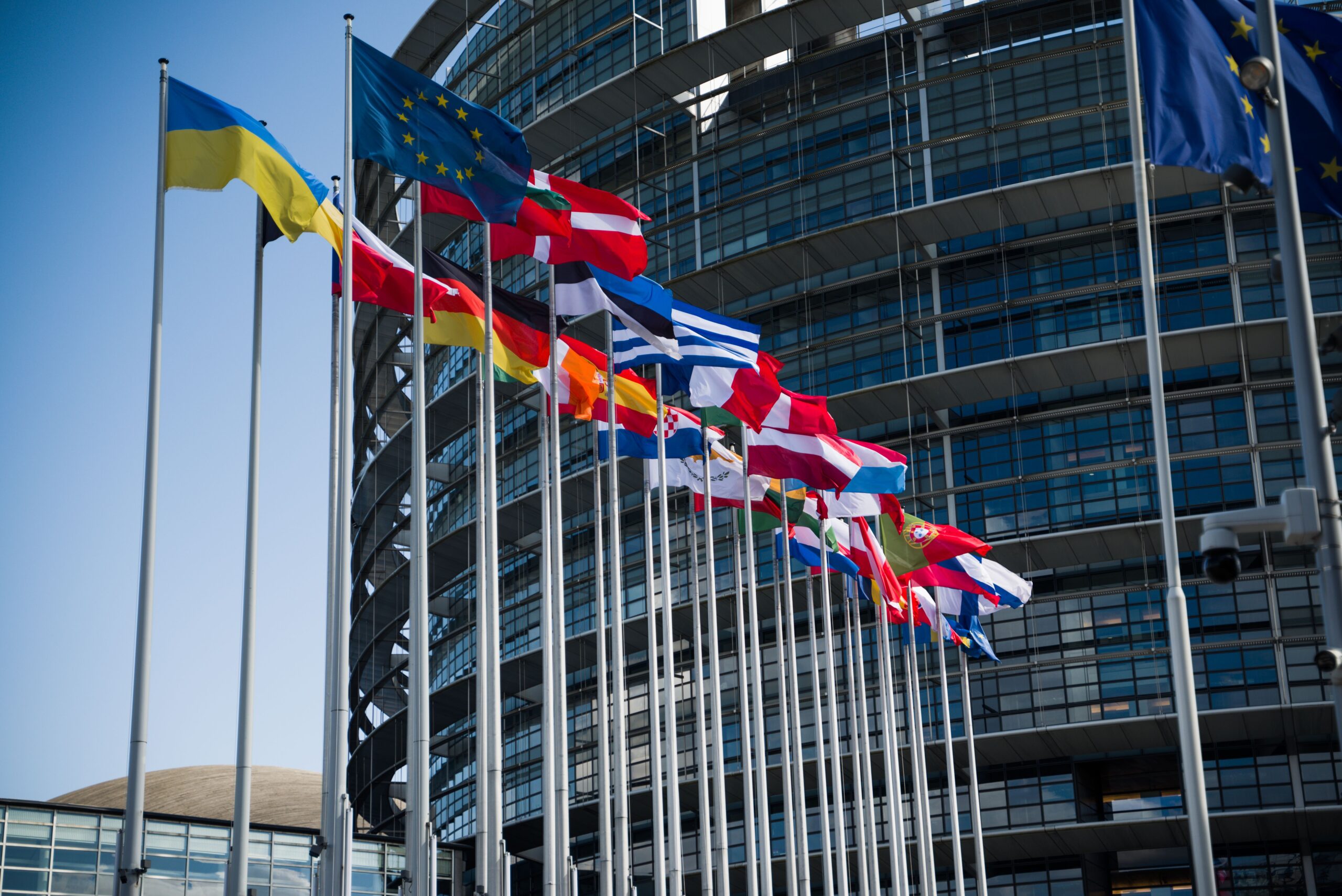
Across the 21 eurozone countries, Lithuania recorded the highest annual inflation rate at 6.1 percent, followed by Bulgaria at 6.0 percent. Malta registered the lowest rate at 2.3 percent. The persistent inflationary pressure is linked to higher energy prices and their indirect effects on the broader economy. The ECB’s latest Survey of Professional Forecasters, released on October 30, indicated that forecasters had revised up their inflation expectations for 2027 by 0.4 percentage points to 2.6 percent, mainly reflecting these energy trends.
The rise in headline inflation to 4.0 percent comes as policymakers monitor the sustainability of price growth. With energy costs still climbing at a double-digit rate, the data suggests that the disinflationary process has stalled, maintaining pressure on the ECB regarding its future monetary policy stance. The flash estimate provides the first look at October’s data, with final figures expected to confirm or adjust these preliminary numbers.