
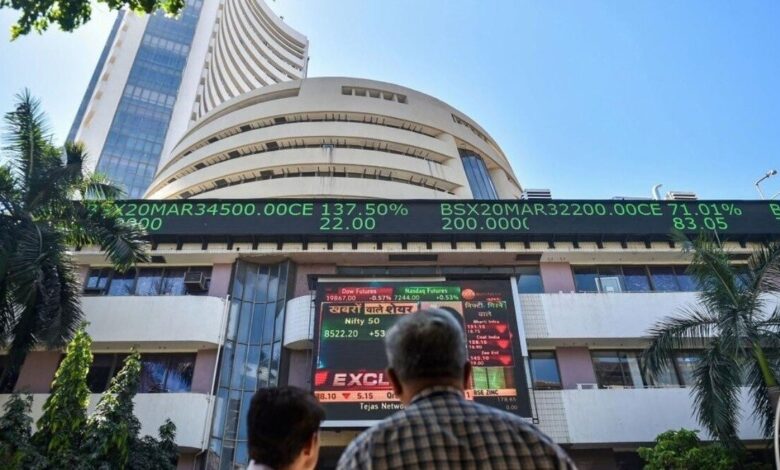
At 9:28 am, the BSE Sensex was trading at 79,444.15, up 134.14 points, or 0.17%. The index had opened at 79,413.66 and touched an early high of 79,523.61. Conversely, the NSE Nifty 50 stood at 24,508.95, down 27.65 points, or 0.11%, having opened at 24,538.20 and touching a low of 24,388.05. This muted reaction stands in stark contrast to the previous session, where the Sensex surged 2,008.61 points (2.60%) to close at 79,310.01, and the Nifty gained 576 points (2.40%) to settle at 24,536.60.
The global cue remains weak, driven by a plunge in US markets on Thursday. The Nasdaq 100 fell by more than 6%, while the S&P 500 dropped 4.4%. The primary driver of this sell-off was investor concern regarding the sustainability of artificial intelligence (AI) spending and data-centre investments. Specifically, opposition from Democrats to massive investments in the sector has raised questions about the future of the AI trade. Dr V K Vijayakumar, Chief Investment Strategist at Geojit Investments Limited, noted that while the US market rout would likely affect most global markets, India could be among the least impacted. He suggested that the correction in US technology and AI stocks could eventually benefit Indian markets by shifting global capital flows.
A key factor supporting Indian equities is the return of foreign institutional investors (FIIs). Vijayakumar highlighted that FIIs had purchased equities worth Rs 35,781 crore over the last five trading sessions. He expects this foreign buying to continue, potentially offsetting profit-booking by domestic institutional investors. This capital inflow, combined with improving corporate earnings that have exceeded expectations, provides a fundamental floor for the market. Vijayakumar pointed out that large-cap stocks have become attractively valued, noting a divergence in performance during Thursday’s rally: while the Sensex rose 2.6%, the Nifty Smallcap 100 gained only 0.67%, indicating that buying pressure is concentrated in larger, more established firms rather than speculative small-caps.
Sectoral performance on Friday morning was mixed, with Indian IT stocks defying weak global technology cues. Infosys rose 1.65%, TCS gained 1.68%, HCL Technologies advanced 1.48%, and Tech Mahindra was up 0.77%. Mahindra & Mahindra led the Sensex gainers, climbing 3.61%, while Bharti Airtel and Titan also posted gains. However, other sectors faced pressure. Asian Paints was the biggest Sensex loser, falling 2.80%, while Power Grid and Bajaj Finance declined by 2.32% and 2.26%, respectively. The Nifty Metal index was the weakest sectoral performer, dropping 2.23%, followed by Nifty Realty (-1.07%) and Nifty Oil & Gas (-1.11%). The broader market showed more weakness than the benchmarks, with the Nifty Smallcap 100 falling 1.75% and the Nifty Midcap 100 dropping 1.24%.

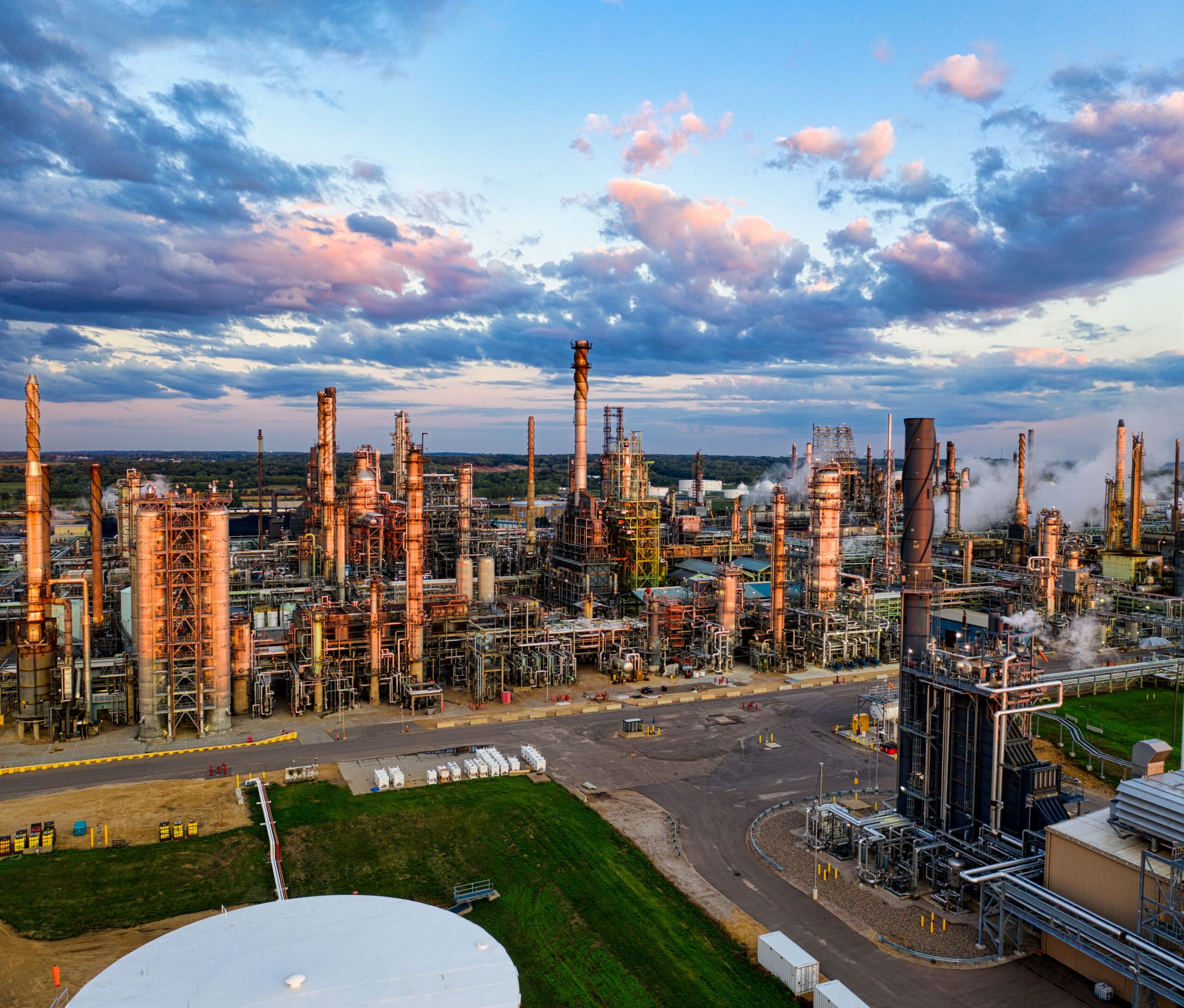
Volatility indicators suggest heightened nervousness among traders. India VIX, a measure of expected market volatility, rose 6.85% to 16.65. Adding to the macroeconomic caution is the rise in crude oil prices. Brent crude was trading at $100.50 per barrel, up 2.25%, while US West Texas Intermediate (WTI) crude rose 1.69% to $92.05. For India, which depends heavily on crude imports, a sustained rise in oil prices could pressure the import bill, exacerbate inflationary trends, and increase corporate costs. Vijayakumar remains bullish on the financial, technology, and automobile sectors, seeing further upside, but acknowledges that the rise in volatility, the weakness in broader mid- and small-cap markets, and higher crude prices are critical factors to monitor.
The immediate direction of the Indian market will depend on whether domestic and foreign buying can absorb the pressure from global cues and if the recent rally in large-cap stocks can sustain. Investors are watching to see if the structural support from earnings growth and FII inflows can outpace the headwinds from global tech de-risking and energy price hikes.




3 Comments