

Operational Response and Threat Assessment
The scale and coordination of these incidents are described as unusual by aviation security experts. Philip Baum, a visiting professor of aviation security at Coventry University, noted that while individual airlines routinely receive bomb threats, most are quickly evaluated as non-specific. The current wave, however, has triggered significant operational disruptions. Joji Waites, director of flight safety at the British Airlines Pilots’ Association (BALPA), explained that threat assessments follow a standard grading system: red (credible), amber (partially credible), or green (not credible). He emphasized that an “amber” assessment is generally not appropriate for airborne aircraft, leading to diversions or ground inspections.
Standard procedure involves directing affected aircraft to areas away from terminal buildings, where passengers are disembarked and screened. Border police, often accompanied by sniffer dogs, inspect the aircraft. In several countries, military assets have been deployed, with fighter jets seen escorting planes. On Friday, a Ryanair flight landed in Lisbon following a phone threat, while a Wizzair flight to Rome was diverted to Venice for police clearance after an alert was issued at the Fiumicino control tower.
Prague: Compounded Security and Infrastructure Failures
The Czech capital, Prague, has been a focal point for these disruptions. On Friday, November 6, Prague Airport (Václav Havel International Airport) received renewed bomb threats targeting both arriving and departing aircraft. Denisa Hejtmankova, a spokesperson for the airport, stated that nine flights were affected: four arriving and five departing. All aircraft remained on the ground for police controls. Czech police, in a statement on X, confirmed that necessary security measures were implemented in cooperation with airport authorities, with the goal of minimizing impact on normal operations. The investigation has been handed over to the National Centre for Combating Terrorism, Extremism and Cybercrime.
These threats come on the heels of similar incidents earlier in the week, where inspections on Monday and Tuesday also found no explosives. The Romanian Intelligence Service (SRI) also reported a bomb threat against a flight arriving at Henri Coanda International Airport in Bucharest from Prague on Friday. SRI noted that similar threats against flights arriving in Bucharest the previous day had been found to be false. Meanwhile, Copenhagen police reported new threats on Friday, continuing a pattern of alerts that were cleared the previous day.
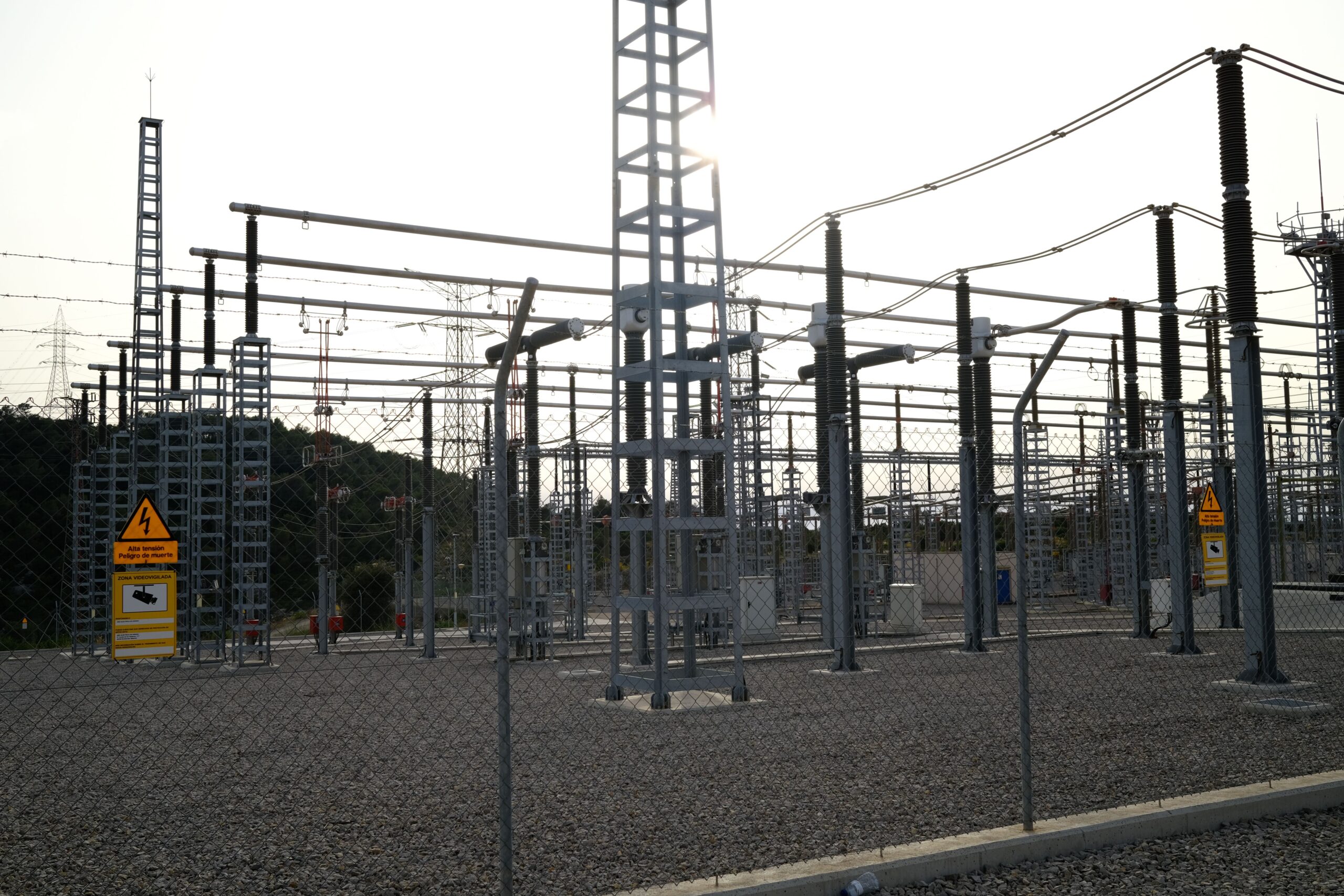
Compounding the security situation in Prague was a significant infrastructure failure on the same morning. A short circuit at the “Praha Západ” substation caused a partial blackout in the Prague 5 and Prague 6 districts, affecting approximately 70,000 consumers. The outage lasted roughly 45 minutes, disrupting tram traffic, traffic lights, and public transport. Karel Hanzelka, a spokesperson for Prague Energy (PRE), confirmed the fault and the restoration of power. The disruption also impacted the Chamber of Deputies, forcing an interruption to parliamentary proceedings, and affected major hospitals including the Central Military Hospital (ÚVN) and the Motol and Homolka University Hospital (FNMH), which operated on backup power.

Broader Context and Cyber Dimensions
Aviation security experts suggest these physical threats may be linked to broader disruptive campaigns. This week has also seen cyberattacks on supermarkets in several European cities, where hackers altered refrigeration temperatures in an apparent attempt to spoil food. While no direct link has been confirmed between the cyber incidents and the bomb threats, the simultaneous occurrence highlights a potential multi-vector approach to disrupting European infrastructure.
The current wave marks the second major outbreak in under a week. On Monday, a flight from the UK to Bulgaria was diverted after a threat, and on Tuesday, seven planes across Europe were searched or diverted. Authorities in various countries, including Finland’s Finnair, have reported that despite the high volume of alerts, no explosive devices have been recovered. The Czech police and other national law enforcement agencies continue their investigations, with the immediate priority being the safe resumption of air traffic and the identification of the actors responsible for these coordinated false alerts.