Bob McNally, CEO of Rapidan Energy Group, told CNBC’s “Squawk Box Asia” that he views the risk of resumed military fighting as high, assigning an 80% probability to such an outcome in the coming days. McNally forecast that both Brent and WTI benchmarks could push above the psychological $100-a-barrel mark if conflict resumes. He argued that the core impasse remains unchanged: “President Donald Trump is determined, as a legacy item, almost at all costs, to prevent Iran from getting a nuclear weapon, having them give up their nuclear capabilities. The Iranian regime, on the other hand, is not willing to do it. And as long as that core difference in that deal space is absent, the escalation dynamic remains in place.”
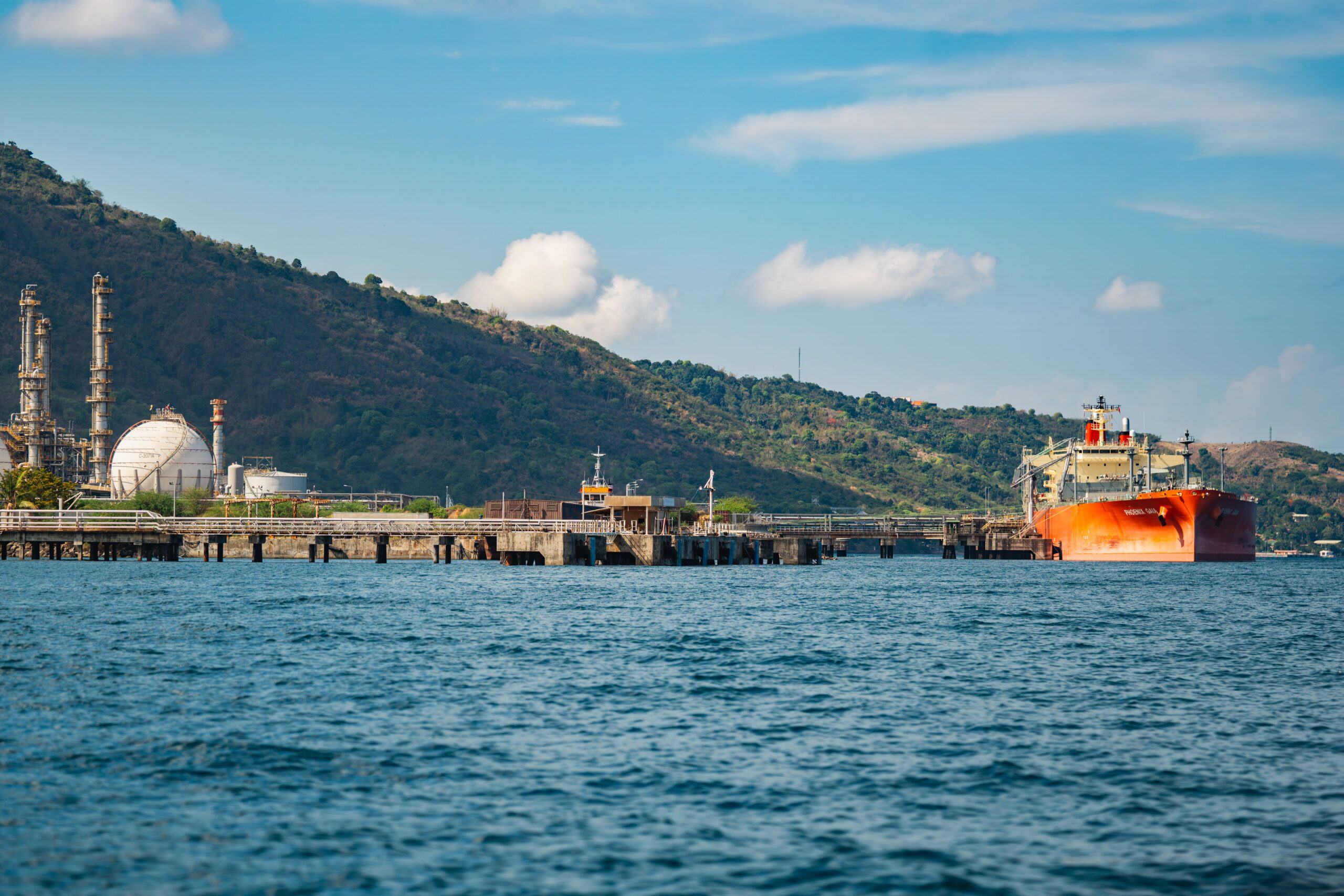
The geopolitical tension is already manifesting in physical security risks within key shipping lanes. Iran reported three additional attacks on oil tankers in the Strait of Hormuz on Thursday. Data from the UK Maritime Trade Operations (UKMTO) indicates that attacks on vessels in the region are continuing at a near-record rate. The Strait of Hormuz is a critical chokepoint for global oil supply; any significant disruption to transit here could directly impact global inventories and force alternative, longer shipping routes, thereby increasing logistical costs and supply volatility.
While McNally’s assessment is shared by other analysts, including Lombard Odier’s chief economist Samy Chaar and head of investment strategy Luca Bindelli, the situation is not without diplomatic counterweights. In a note dated November 4, Chaar and Bindelli suggested that the “lame duck” period before the new Congress is sworn in could provide President Trump with a window to resume strikes, but they also noted that any renewed campaign might be constrained by pressure on U.S. munitions supplies.
Conversely, some market participants see the post-election period as an opportunity for de-escalation. Norbert Rücker, head of economics and next generation research at Julius Baer, stated that the market has become “more convinced” that the end of the midterms could provide a diplomatic off-ramp rather than leading to renewed escalation. This view is supported by recent reports that Iran sent a nuclear proposal to Washington through Qatar. According to a senior Iranian official cited by Reuters, the proposal includes Iran allowing ships to proceed freely through the Strait of Hormuz. In return, Tehran seeks the satisfaction of “seven demands,” which include an end to U.S. “acts of aggression,” the lifting of the naval blockade of Iranian ports, and the release of frozen Iranian assets. The official declined to provide further details but noted that Washington is reviewing the proposal.
Domestic political dynamics in the U.S. are also influencing the energy narrative. Vice President JD Vance recently suggested that the war with Iran contributed to Republican losses in the midterm elections, citing a pollster who found that ending the conflict was a top concern for voters who switched parties. Vance’s comments contrast with the administration’s previous stance of maintaining pressure on Tehran. In response, Iranian parliament speaker Mohammad Bagher Ghalibaf accused Vance of displaying “losing gambler energy” on social media, asserting that the U.S. administration is preparing the next phase of conflict rather than seeking a peaceful exit.
The interplay between these factors creates a complex risk environment for energy markets. If military action resumes, the immediate impact would likely be a risk premium added to crude prices, reflecting the potential for supply disruptions in the Gulf. However, if the diplomatic track gains traction, the risk premium may quickly evaporate, causing prices to retreat from their recent highs. Currently, Brent is trading just shy of $100, a level that has served as a significant resistance point in recent months. The market is effectively pricing in a scenario where the threat of conflict is high but not yet realized, balancing the fear of supply loss against the hope of a negotiated resolution.
Investors are closely monitoring both the movement of tankers in the Strait of Hormuz and diplomatic communications between Washington and Tehran. The next critical data points will be the formal response from the U.S. government to Iran’s nuclear proposal and any observable changes in U.S. military posturing in the region. Until clarity emerges on either the diplomatic or military front, oil prices are likely to remain volatile, sensitive to any headline indicating a shift in the escalation trajectory.