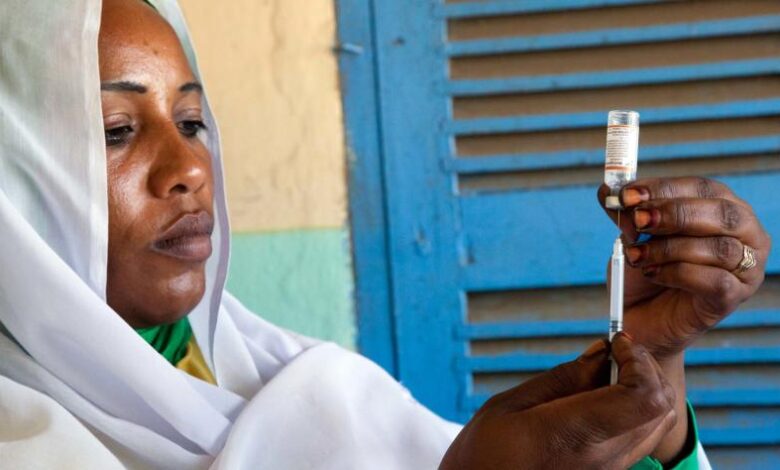
The two vaccine candidates slated for inclusion are ChAdOx1, developed by the University of Oxford and the Serum Institute of India, and mRNA-1469, developed by Moderna. These candidates will enter the trial following national regulatory approvals. The Tumaini trial is designed to evaluate multiple vaccine candidates simultaneously using a ring-vaccination approach, which enrolls close contacts of infected individuals to assess efficacy. Prior to this recommendation, Ervebo, a vaccine approved for the Zaire Ebola virus, was the first vaccine being evaluated in the trial to determine its cross-protection against the Bundibugyo strain.
WHO Director-General Tedros Adhanom Ghebreyesus stated in a news release that while vaccines alone will not end the outbreak, they could become a powerful new tool for bringing the situation under control. The evidence for the new candidates is currently preliminary, as they are entering the clinical trial phase to assess their safety and efficacy in a real-world outbreak setting. The trial design allows for a direct comparison of different vaccine strategies against the circulating virus, providing critical data on which interventions may offer the most robust protection.
Parallel to the vaccine efforts, the WHO-sponsored PARTNERS trial is evaluating potential treatments for Bundibugyo patients. This study is assessing whether the monoclonal antibody MBP134, the antiviral drug remdesivir, or a combination of both can improve survival rates. The monoclonal antibody maftivimab is expected to be added to this trial soon as another potential treatment option. Additionally, a complementary post-exposure prophylaxis study involving the antiviral medication obeldevisir is already underway, expanding the scope of medical interventions being tested against the virus.
The outbreak has also impacted international travelers and healthcare workers. The UK government confirmed that a British healthcare worker who tested positive for Ebola in the DRC is being repatriated for medical treatment and is in stable condition. In Kenya, which has reported eight cases and two deaths with no new cases since October 19, the Ministry of Health reported that five patients have cleared the virus and been released from hospital. Furthermore, 46 contacts of the country’s first patient were released after 21 days of quarantine, following the release of 20 contacts the previous week. Another 52 contacts remain in quarantine and are expected to be released next week. These updates highlight the ongoing monitoring and containment efforts required in regions adjacent to the epicenter.

The next critical milestone for the vaccine effort is the completion of national regulatory reviews to allow the new candidates to formally enter the Tumaini trial. Once enrolled, the results will provide the first direct evidence on the efficacy of Bundibugyo-specific vaccines in controlling an active outbreak, potentially informing future public health responses to similar viral threats.