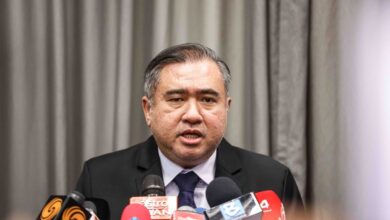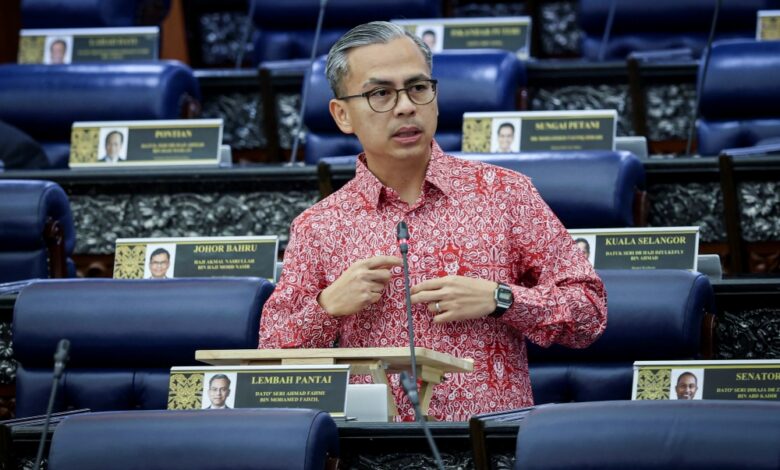
Communications Minister Datuk Seri Fahmi Fadzil announced the regulatory review during the debate on the Supply Bill 2027 (Budget 2027) in the Dewan Rakyat. He stated that MCMC, in collaboration with the Communications and Multimedia Content Forum of Malaysia (CMCF), is studying trends in online gaming, including user-to-user interactions, in-game content, and existing protective safeguards. The study also benchmarks international practices to identify effective safeguards suitable for the Malaysian context.
“At the same time, CMCF is conducting a public consultation to develop a Gaming SubCode involving various stakeholders, including app store operators, local and international game developers, online safety experts, the e-sports industry, legal practitioners, and researchers,” Fahmi said. “The findings of this study and consultation will serve as the basis to consider evidence-based, risk-proportional regulatory measures to ensure the safety of users, especially children, continues to be safeguarded.”
The government’s approach extends beyond regulation to include educational initiatives. Fahmi highlighted a prioritisation of parental education, particularly regarding the activation of parental control functions on personal devices. This effort is anchored in the Safe Internet Campaign, which has been allocated RM58.7 million under Budget 2027. The campaign targets students, children, parents, guardians, teachers, and local communities through events such as the Parent-Teacher Convention and the Safe Internet Campaign Community Carnival, aiming to distribute the responsibility of digital safety across families, educational institutions, and government agencies.
In related enforcement updates, the Minister reported that between January 1, 2022, and September 30, 2026, 14,706 instances of pornographic content and child sexual abuse material were removed, and 5,170 pornographic websites were blocked. Fahmi also addressed the misuse of artificial intelligence and deepfakes, specifically citing the circulation of digitally altered nude images involving schoolgirls in Seremban. He noted that this case remains under investigation by the Royal Malaysia Police (PDRM), with MCMC collaborating closely with police and the platform provider, Meta.

The regulatory review forms part of a wider overhaul of Malaysia’s communications legal framework. In June, MCMC issued a public consultation paper outlining 18 proposed amendments to the CMA. A central feature of these amendments is the introduction of a statutory right for individuals and businesses to directly sue parties who breach provisions under the Act. Currently, enforcement is largely driven by regulatory or criminal action initiated by authorities. The proposed change would allow affected parties to bring civil proceedings regardless of whether the alleged offender has been charged or convicted under criminal provisions, aiming to strengthen accountability and provide a more accessible mechanism for redress.
The amendments also seek to refine the “deeming mechanism” under the class licensing framework. Under Section 46A of the CMA, the communications minister can dispense with formal registration requirements for entities operating under a class licence, effectively “deeming” them registered. The proposed amendment clarifies that such deemed licensees will be subject to the same fees, penalties, and compliance obligations as those who voluntarily register, ensuring regulatory consistency. Furthermore, the proposal strengthens MCMC’s investigative powers by providing an explicit legal basis for the use of undercover operations, including agent provocateurs, and introducing sampling powers for seized items.
These legal developments underscore the dual role of the Malaysian communications framework. The Communications and Multimedia Act 1998 (Act 588) sets the rules for the industry, covering licensing, spectrum management, and consumer protection, while the Malaysian Communications and Multimedia Commission Act 1998 (Act 589) establishes MCMC as the statutory body responsible for implementation and enforcement. Industry bodies, such as the Content Forum, operate alongside MCMC to develop self-regulatory standards, but the new proposals signal a shift toward more direct legal accountability and robust enforcement tools.
The next formal step for the gaming regulations will be the conclusion of the public consultation and the study by MCMC and CMCF, which will inform the development of the Gaming SubCode. Meanwhile, the proposed amendments to the CMA are subject to further legislative proceedings following the public consultation phase initiated in June.