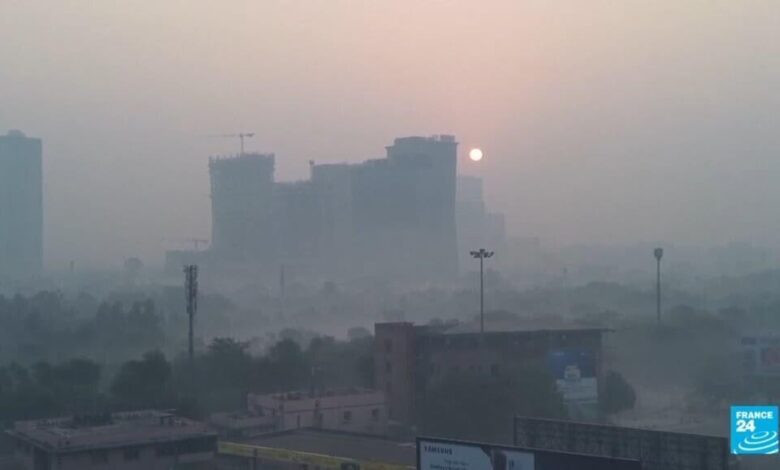
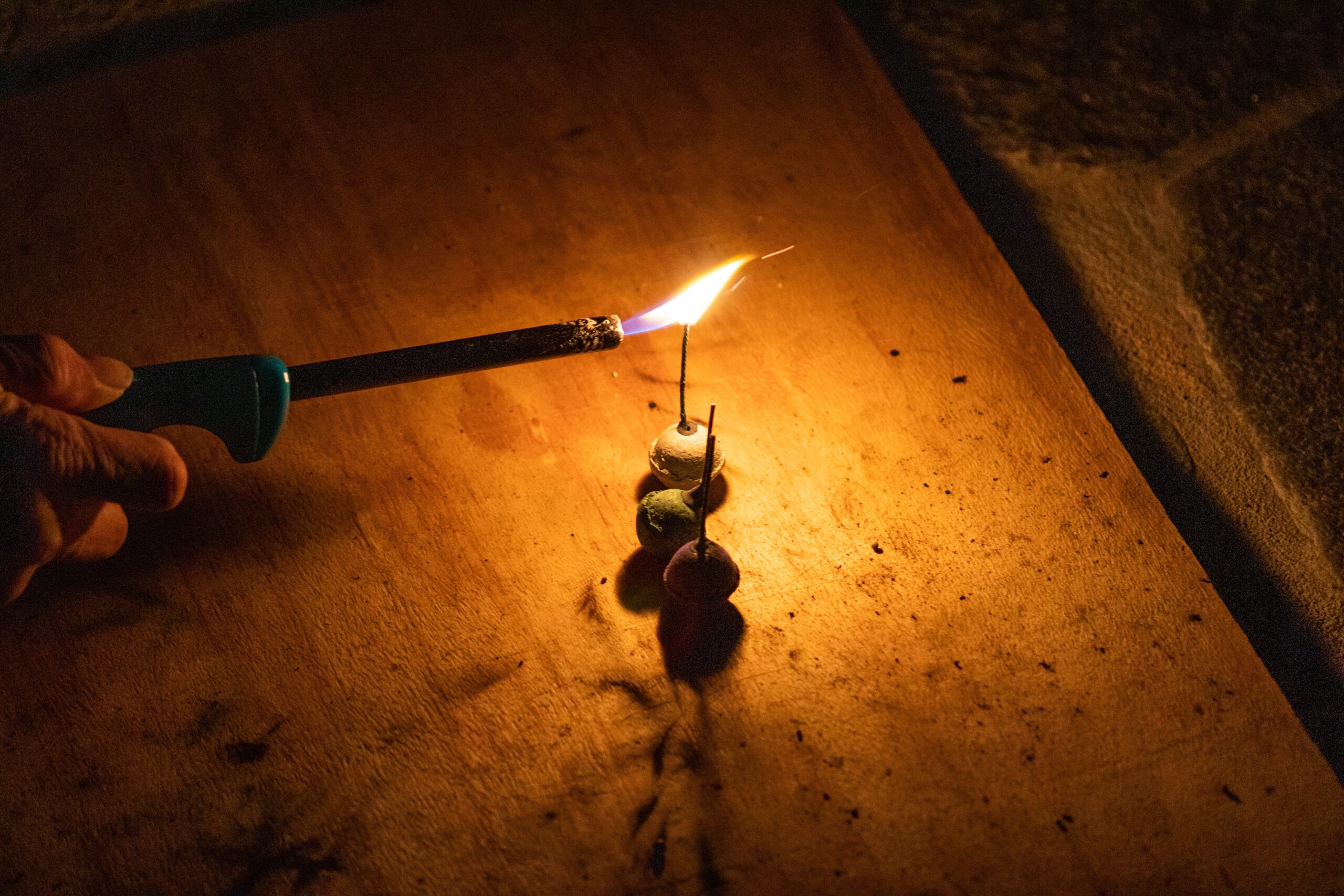
The visibility drop was immediate and stark. Residents found themselves navigating streets where the outline of buildings was obscured by a thick, yellowish-white fog. This atmospheric condition was driven by a combination of factors that converge annually in Delhi. The primary immediate contributor was the massive quantity of fireworks discharged during the Diwali celebrations. These pyrotechnics release fine particulate matter, sulfur dioxide, and nitrogen oxides directly into the lower atmosphere. When these emissions are released in such high volume over a densely populated urban area, they rapidly elevate the concentration of Air Quality Index (AQI) readings, pushing them into the “hazardous” or “severe” categories.
However, the firecrackers did not act in isolation. They compounded a pre-existing baseline of high pollution levels that characterize the region during the winter season. Delhi’s geography and meteorological conditions create a natural trap for pollutants. The city is situated in the Indo-Gangetic plain, a vast, flat basin surrounded by higher terrain. During the winter months, temperature inversions frequently occur, where a layer of warm air sits above cooler air at ground level. This inversion acts like a lid, preventing pollutants generated by traffic, industrial activity, construction, and agricultural burning from dispersing vertically into the upper atmosphere. Instead, these particles accumulate near the ground, creating a stagnant layer of smog.
The scientific evidence of this phenomenon is consistently documented in environmental monitoring data from the Central Pollution Control Board (CPCB) and other international agencies. While specific AQI numbers for Monday were not detailed in the immediate reports, the visual description of a “thick blanket” and “dangerously high pollution levels” aligns with historical patterns where Diwali days and the subsequent few days see the sharpest spikes in annual pollution data. The particulate matter of 2.5 micrometers or less (PM2.5), which is the most harmful component of smog, is the primary driver of the health risks associated with such events. These tiny particles can penetrate deep into the lungs and even enter the bloodstream, exacerbating respiratory conditions such as asthma and chronic obstructive pulmonary disease (COPD), and increasing the risk of cardiovascular events.
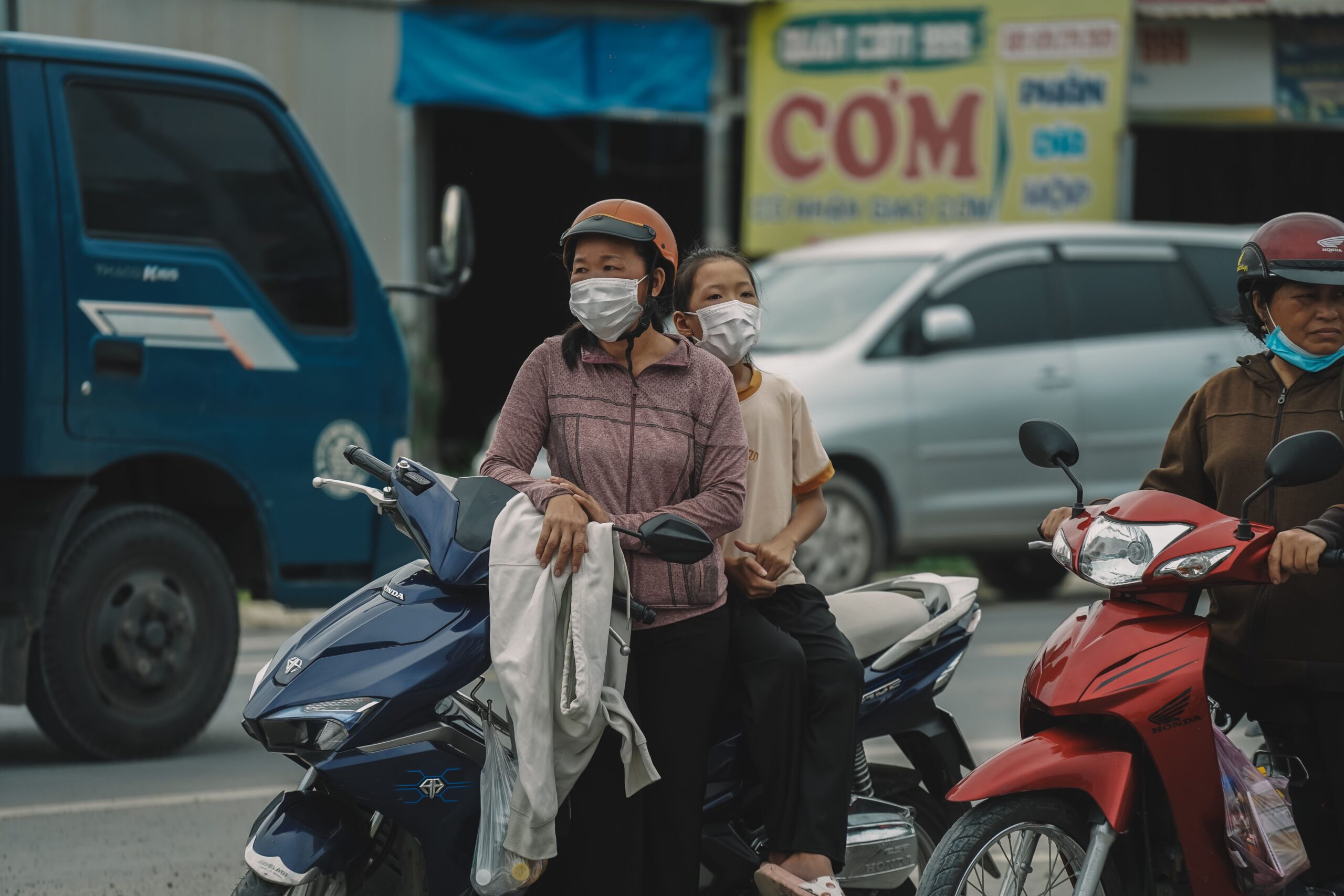
The impact on the population is immediate and significant. Hospitals in Delhi often report an uptick in respiratory complaints in the days following major festive periods. For the millions of residents, the smog is not just an aesthetic nuisance but a tangible health hazard. Vulnerable groups, including children, the elderly, and those with pre-existing health conditions, are particularly at risk. The economic cost is also substantial, with productivity losses and increased healthcare expenditures contributing to the broader cost of poor air quality to the Indian economy.
The recurrence of this crisis underscores the complexity of managing urban air quality in rapidly developing megacities. While the Diwali firecracker release is a specific, annual trigger, the underlying issue is the cumulative load of emissions from various sectors. Traffic, which accounts for a significant portion of Delhi’s pollution, continues to grow as the city’s population and vehicle numbers increase. Industrial emissions, though regulated, still contribute to the baseline pollution. Additionally, stubble burning in neighboring agricultural states, particularly in Punjab and Haryana, sends clouds of smoke into the Delhi region during the late autumn and winter months, further compounding the local emissions.
Efforts to mitigate the impact have been ongoing, but they face significant challenges. Regulatory measures, such as the ban on certain types of firecrackers and the implementation of the National Clean Air Programme (NCAP), aim to reduce emissions. The NCAP targets a 20-30% reduction in PM2.5 and PM10 concentrations in major cities by 2024, but progress has been uneven. Public awareness campaigns encourage the use of eco-friendly fireworks or the adoption of alternative Diwali practices, such as lighting candles, but cultural traditions remain deeply entrenched. Enforcing regulations on industrial and vehicular emissions is also complex, requiring coordinated action across multiple administrative jurisdictions.
Uncertainties remain regarding the long-term trajectory of air quality in Delhi. While short-term mitigation strategies can reduce peak pollution levels, the fundamental drivers of pollution—rapid urbanization, industrial growth, and energy demand—continue to exert upward pressure. Climate change is also a factor, as rising temperatures and changing weather patterns may alter the frequency and intensity of temperature inversions and monsoon rainfall, which plays a crucial role in washing pollutants out of the atmosphere. Without sustained and comprehensive policies that address all major emission sources, the seasonal smog crisis is likely to persist, with Diwali remaining a particularly acute flashpoint.
As the Monday smog began to linger, the city faced the familiar dilemma of balancing cultural celebration with public health. The thick haze that shrouded New Delhi served as a stark reminder of the environmental challenges inherent in high-density urban living in a developing economy. The next few days would likely see continued high pollution levels as the firecracker residues settled and the winter meteorological conditions persisted. For the residents of Delhi, the crisis is not a new event but a recurring reality, demanding constant vigilance, adaptive behavior, and systemic policy changes to safeguard their health and livability.