The surge in pollution occurred despite a Supreme Court order allowing the use of “green” firecrackers in the National Capital Region only between 6 a.m. and 7 a.m. and 8 p.m. and 10 p.m. on the two days preceding Diwali. Reports indicate these restrictions were widely flouted, with fireworks continuing well past midnight when a complete ban took effect. Sunil Dahiya, founder of Envirocatalysts, noted that sulphur dioxide (SO2) levels, a key indicator of firecracker use, rose by approximately 40% on Diwali night after remaining flat on previous nights. He observed that there was no evidence that permitted “green” firecrackers burned cleaner, noting that even a 30% reduction in emissions from a high baseline remains a substantial pollutant load.
Mumbai also experienced a significant overnight spike in pollution following the festival. While the citywide average AQI stood at 171 in the “moderate” category on Monday morning, nine of the 25 monitoring stations recorded “poor” air quality. Several locations saw readings cross the 400 threshold during the night; Navy Nagar peaked at 497 at 2 a.m., while Chembur reached 401. By 7 a.m., levels had decreased but remained elevated, with Navy Nagar at 274 and Kherwadi at 264.
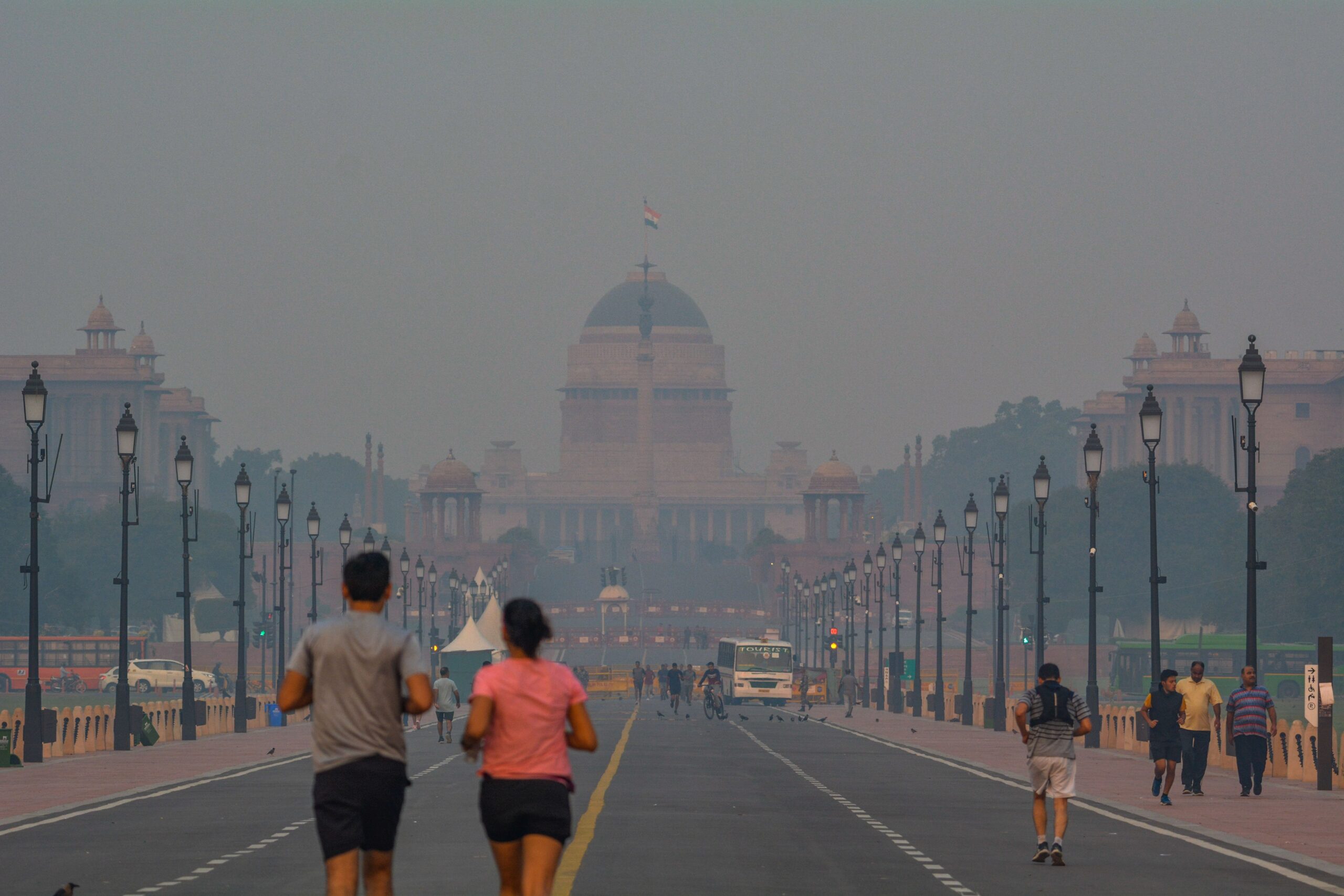
Scientific analysis suggests that the severity of the pollution was exacerbated by factors beyond firecrackers. Dahiya stated that light easterly winds had trapped stubble smoke close to the ground, creating a “sizeable load of fine particles” before the festival. Mukesh Khare, a professor at the Indian Institute of Technology Delhi, emphasized that even green firecrackers are not pollution-free. The combination of pre-existing poor air quality, which had worsened since early November, and the massive burst of emissions made the atmosphere hazardous for residents.
Data integrity issues complicated the full assessment of the event. More than half of Delhi’s air quality monitoring stations stopped reporting data around midnight on Diwali night. Consequently, comparisons across years rely on a limited set of six stations that consistently reported data during peak hours. Despite these gaps, the available data confirms that around 80% of functioning stations in Delhi recorded “severe” air quality from 10 p.m. to 6 a.m. The next assessment will depend on the official CPCB 24-hour averages for November 9, which are expected to reflect the prolonged duration of the severe pollution event.