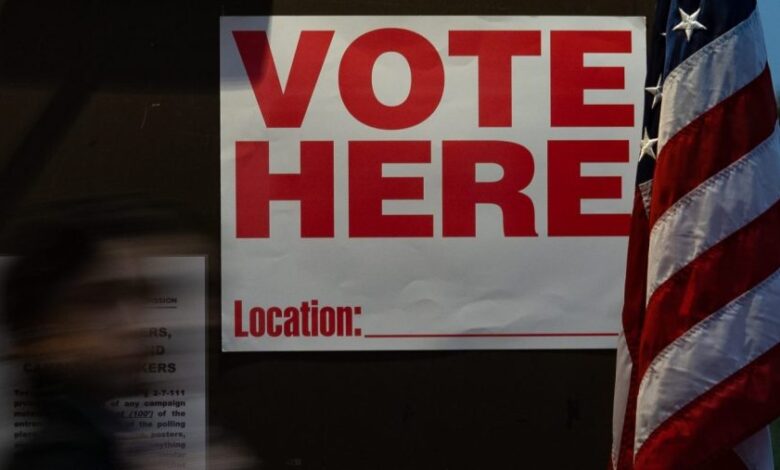
The most significant political development is the shift in state-level leadership across the “New South.” In Texas, voters elected Gina Hinojosa as the state’s first Latina governor and its first Democratic governor in over three decades. This victory was part of a broader sweep in which Texas Democrats carried every statewide office, from governor to lieutenant governor and attorney general. Similarly, in Georgia, Keisha Lance Bottoms was elected as the first Black female governor in the country. California saw Xavier Becerra elected as the state’s first Latino governor, while New Mexico’s Deb Haaland became the country’s first female Native American governor. These outcomes mark a fundamental break from the historical Republican dominance in these regions, a trend attributed by analysts to a surge in turnout among Black, Latino, and women voters who cited concerns over immigration enforcement, abortion rights, and racial gerrymandering.
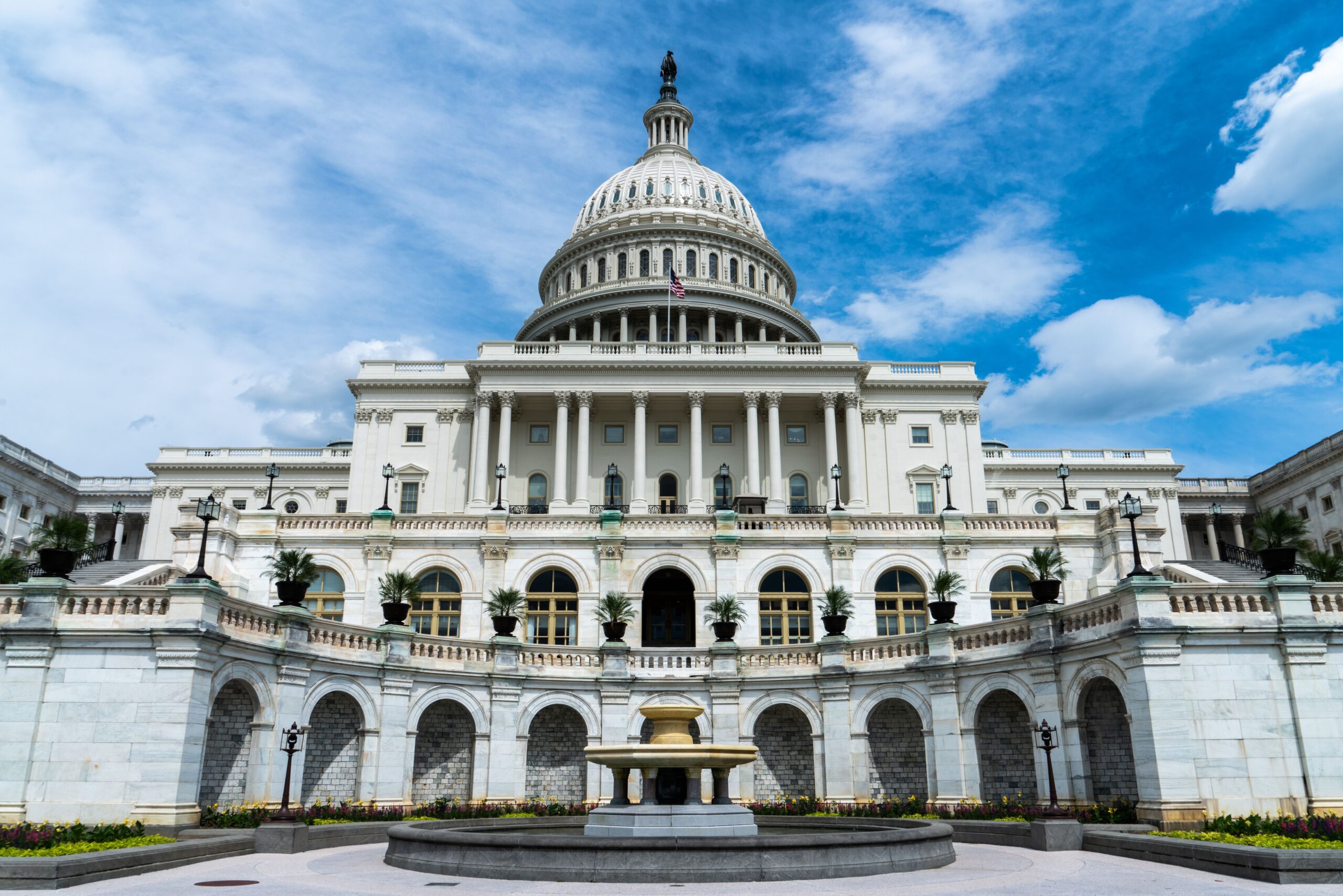
In the federal legislature, Democrats made massive gains in the House and Senate, positioning themselves as a potent opposition force heading into the 2028 election cycle. The Senate saw the election of several historic figures, including Chris Pappas of New Hampshire, the chamber’s first openly gay member; Peggy Flanagan of Minnesota, the first Native American woman in the Senate; and Abdul El-Sayed of Michigan, the first Muslim elected to the Senate. These appointments are viewed by public health and civil rights advocates as a signal of a new direction in policy-making, with many of these officials having campaigned on platforms centered on healthcare affordability, reproductive rights, and the impeachment of specific administration officials, such as Robert F. Kennedy Jr.
Public health emerged as a critical driver of the electoral cycle. With 2026 marking the worst year for measles in the US in recent decades, and alongside rising cases of foodborne illnesses, voters prioritized candidates who pledged to restore vaccine access and protect Medicaid and Affordable Care Act subsidies. Julie Scofield, a member of the coordinating committee at the grassroots organization Defend Public Health, described the result as “a complete repudiation” of the policies rolled out since the President took office. The election of scientists and physicians in record numbers is expected to reshape state and local actions on vaccines, gender-affirming care, and abortion, directly countering federal cuts to public health infrastructure.
Despite the national Democratic surge, the Republican Party retained control in Florida, a state that remains a crucial battleground. Byron Donalds, the successor to Ron DeSantis, defeated David Jolly to keep the governor’s office in Tallahassee. Donalds, who is identified in reporting as the first Black governor in Florida’s history, attributed the national losses to a “frustration” that boiled over against Republicans. His victory ensures that Florida remains a red state for at least the next four years, providing a counter-narrative to the Democratic wins in other large southern states. Donalds has since engaged in high-profile appearances, including meeting with WNBA player Sophie Cunningham, a move seen by some observers as an attempt to bolster his image among diverse constituencies, though this remains a matter of political strategy rather than verified policy outcome.
At the federal executive level, the relationship between President Donald Trump and Vice President JD Vance has come under scrutiny following the election. Trump stated that “a lot of people didn’t like” Vance’s post-election comments, which blamed the GOP’s losses on the Iran war—a conflict described as “wildly unpopular” across the country. When asked if these comments impacted their relationship, Trump denied any strain, stating, “No, not at all.” However, the tension highlights internal party dynamics as Republicans seek to understand the causes of their losses, with many citing the unpopularity of the administration’s foreign policy and domestic social agenda.

The election results also signal a shift in the influence of major financial backers. Observers noted that “megadonors and Super PACs” were among the biggest losers, as the electorate moved away from candidates heavily funded by these groups in favor of those emphasizing equity, inclusivity, and direct public service. The data suggests that the American electorate is more diverse and inclusive than the narrow definition of America promoted by the Republican leadership, leading to a rejection of rhetoric based on fear and division.
As the dust settles, the focus now turns to the implementation of these new legislative and executive mandates. The flipped state legislatures in Texas and other key states will immediately begin reviewing state laws regarding abortion, healthcare, and education, potentially creating legal friction with the federal government. The next formal steps involve the certification of these results and the convening of the new Congress, where Democrats will likely move to introduce legislation addressing the public health crises and administrative overreach cited by voters. The political question remains how effectively the new Democratic leadership can translate electoral momentum into durable policy changes before the next cycle begins.