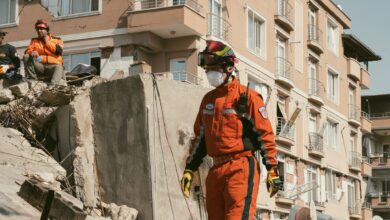
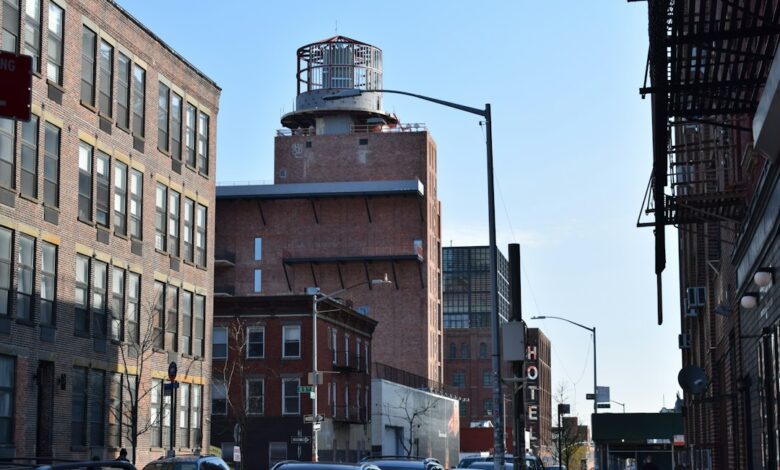
The collapse occurred while workers were actively excavating the construction site adjacent to the residential structure. According to the Fire Department of New York (FDNY), the failure was immediate and catastrophic, reducing large sections of the building to rubble. The force of the collapse also damaged the neighboring building at 1323 Flatbush Avenue, shearing away an exterior wall and exposing apartments to the elements, though that structure remained standing. FDNY Chief of Department John Esposito confirmed that emergency responders arrived in less than a minute, encountering individuals trapped within the adjacent building who were immediately removed from danger.
The initial assessment of the disaster, reported in the immediate aftermath, indicated at least two fatalities and 17 injuries. However, as rescue operations extended into the overnight hours, the toll rose. Firefighters, police officers, and K-9 units worked meticulously through the debris field. The use of canine scent detection was pivotal in locating victims in void spaces within the rubble. Three additional bodies were recovered early Thursday morning: the third victim was pulled from the debris around 4:45 a.m., the fourth just before 6 a.m., and the fifth just after 6 a.m. The final toll stands at five dead and 19 injured, with four victims remaining in critical condition and one firefighter treated for minor injuries.
Among the survivors was a woman who was six months pregnant, a fact that provided a poignant counterpoint to the tragedy of the night. Her husband, who had run down Flatbush Avenue searching for her and pleading with law enforcement for information, was informed of her survival at approximately 6:30 p.m. Upon learning she was alive, he expressed profound relief and gratitude to the emergency crews. “I have an update. She is alive, she is still alive. I am very happy,” he said, before embracing another individual in an emotional moment captured by onlookers. The woman was transported to Kings County Hospital Center for medical treatment.
The complexity of the rescue operation required the deployment of specialized equipment, including drones to search for potential victims and Con Edison vacuum trucks to carefully clear debris without triggering secondary collapses. FDNY Commissioner Lillian Bonsignore noted that officials do not know the exact number of people inside the building at the time of the collapse, which complicates the accounting of the event. The majority of the injured were transported to Kings County Hospital Center, with others treated for non-life-threatening or minor injuries.

New York City Mayor Zohran Mamdani described the situation as “incredibly challenging and fast-moving,” acknowledging the difficulty of managing such a high-casualty event in a dense urban environment. As the immediate rescue phase concluded, the focus shifted to the investigation. Authorities are currently examining the structural history of the collapsed building and the operations at the nearby construction site. The investigation seeks to determine whether the excavation work contributed to the failure of the adjacent structure, a question that carries significant implications for construction safety regulations and urban infrastructure maintenance in New York City.
This incident highlights the critical risks associated with construction activities in older urban neighborhoods, where the interaction between new development and existing structures can pose severe hazards. The discovery of remains through K-9 assistance and the careful use of vacuum trucks underscore the technical precision required in urban search and rescue. While the immediate threat to life has passed, the structural integrity of the remaining buildings and the accountability of the construction parties remain under scrutiny. The next phase of this environmental and urban safety story will depend on the findings of the official investigation, which will determine if regulatory violations or engineering failures played a role in the collapse.