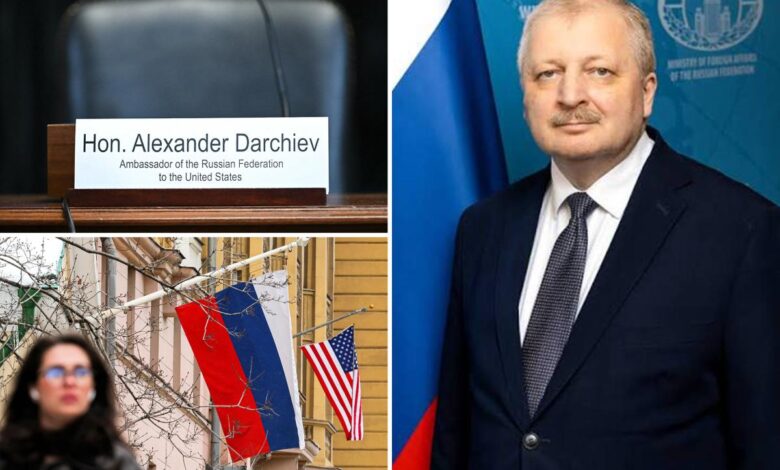
Darchiev had served as the Kremlin’s envoy to Washington since March 2025. His appointment coincided with a period of sustained friction between the two superpowers, driven primarily by Russia’s invasion of Ukraine. The relationship remained characterized by what observers described as icy diplomatic exchanges throughout his tenure. According to the Russian Foreign Ministry, Darchiev was an “outstanding diplomat, an experienced leader, a kind colleague and a mentor.” The ministry further described him as an “exceptional professional and a distinguished expert on the United States,” noting that he served in one of the most demanding areas of Russian foreign policy.
The news of his death emerged at a pivotal moment in the broader geopolitical landscape. It came amid a new trilateral push in Abu Dhabi aimed at ending the war in Ukraine. American, Russian, and Ukrainian diplomats were engaged in talks following a period of significant separation from direct negotiations. Special envoys Steve Witkoff and Jared Kushner participated in these discussions, which Kushner described to reporters as “very substantive” and “pretty tough.” He noted that the talks occurred after “almost eight months of not being together,” emphasizing the thoroughness of the conversations on all relevant issues.
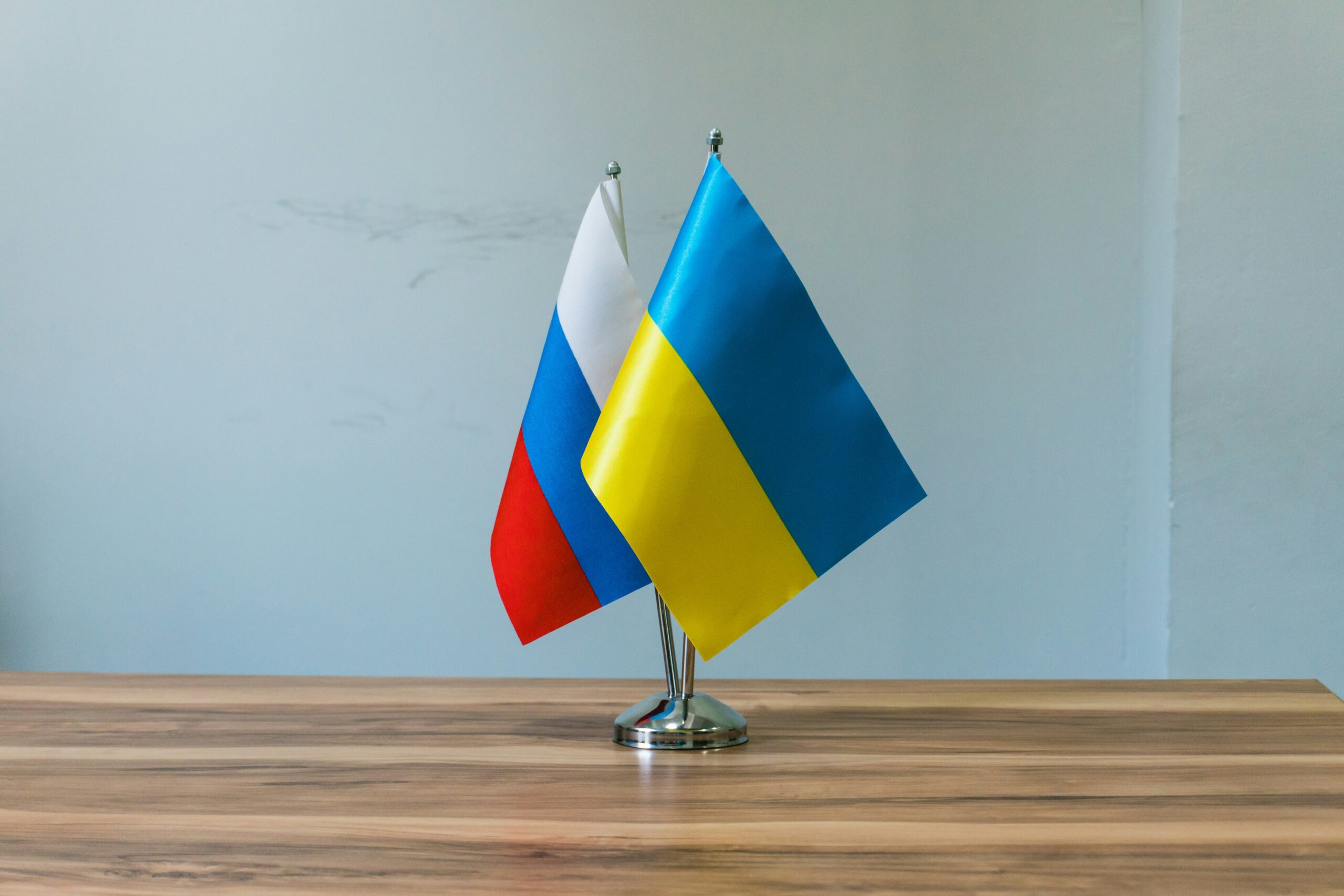
Ukrainian negotiator Davyd Arakhamia offered a slightly different perspective on the atmosphere of the talks, describing Wednesday’s session as “one of the toughest ones.” Arakhamia explained that the Russian delegation arrived with “very, very strict directives,” making it difficult to soften the tone of the discussion. Following the two days of talks in the Middle East, Witkoff and Kushner were slated to travel to Moscow to meet with Vladimir Putin, indicating that the diplomatic momentum, despite its difficulty, remained active.
Darchiev’s diplomatic career spanned decades and included significant roles in managing Russia’s relations with North America. Prior to his current post, he helmed the Russian Foreign Ministry’s North America Department. He also served as the Russian ambassador to Canada from 2014 to 2021. Born to a Soviet diplomatic family in Hungary, Darchiev had established a reputation for direct, often bombastic verbal attacks against Western nations. In March 2022, weeks after the invasion of Ukraine, he made a statement to Interfax that highlighted his hardline stance: “Apparently, Washington will need time to get used to the fact that its hegemony is in the past, and will have to reckon with the national interests of Russia, which has its own sphere of influence and responsibility.”

The sudden nature of Darchiev’s death introduces an element of uncertainty into the ongoing diplomatic processes. While the Russian Foreign Ministry expressed profound sorrow, stating that the “cherished memory of our colleague will forever remain in our hearts,” the practical implications for the current negotiations in Abu Dhabi and the upcoming meetings in Moscow have not yet been detailed. The transition of ambassadorial duties in Washington is a standard bureaucratic process, but the timing of this vacancy, occurring just as high-level envoys prepare to engage directly with the Russian leadership, ensures that the event will remain in the foreground of international diplomatic discourse.
As the U.S. and Russian envoys prepare for their next phase of engagement, the absence of Darchiev marks a significant personnel change in a relationship that remains deeply strained. The focus now shifts to the outcomes of the Abu Dhabi talks and the subsequent Moscow meeting, where the strict directives cited by Ukrainian negotiators may play a central role. The next steps in this trilateral process will determine whether the “substantive” discussions lead to tangible progress or remain stalled by the rigid positions of the parties involved.