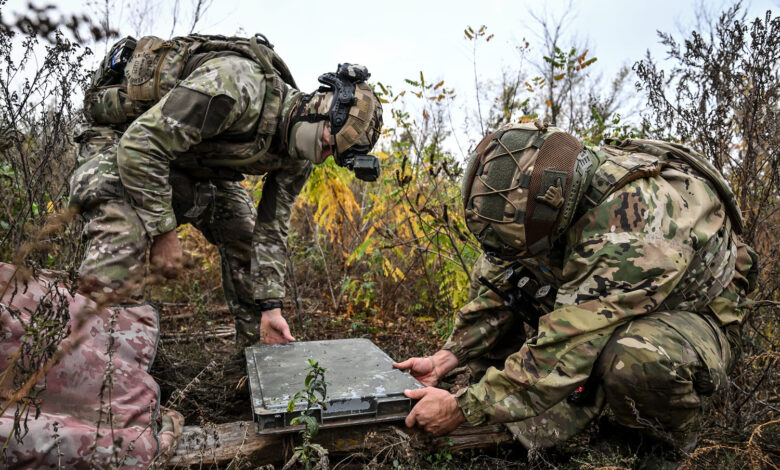
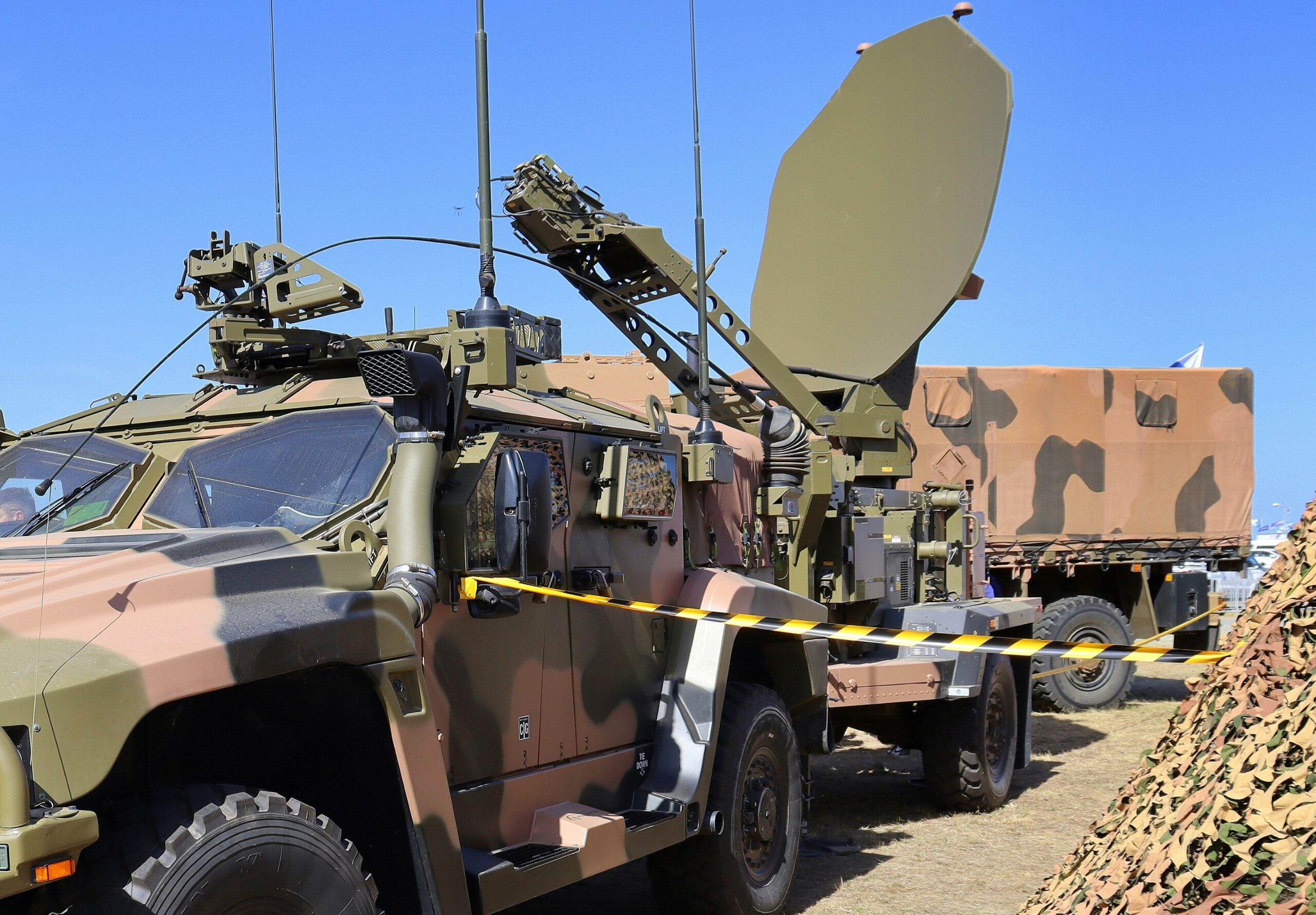
Zelenskyy stated that the service is subject to a speed limit of 100 miles per hour, down from a stable operational speed exceeding 250 miles per hour. He characterized these restrictions not as random technical errors but as “systematic speed restrictions.” The President emphasized the operational consequence of this throttling: it primarily hinders Ukraine’s ability to intercept Russian jet-powered drones. According to Zelenskyy, interception systems are unable to reach the necessary speeds to engage these targets in time due to the reduced data latency and bandwidth, resulting in strikes that have successfully penetrated Ukrainian air defenses. Ukraine is reportedly seeking clarification from the United States regarding the rationale for these limitations.
This is not the first instance of such reports. Ukraine raised concerns about Starshield speed limits last month, identifying the service as critical to battlefield operations and air defense networks. At that time, Elon Musk, the owner of Starlink, attributed the responsibility for the restrictions to the U.S. administration, citing pressure from Donald Trump to force concessions from Kyiv. The U.S. government denied any involvement, stating that any such decision could only have been made by Musk, who subsequently denied being involved in the slowing of the service. The current wave of disruptions has reignited questions about the reliability of this infrastructure during a period of heightened diplomatic activity.
The technical constraints on communications capacity are unfolding against a backdrop of stalled military progress and active diplomatic efforts. For months, neither side has achieved significant territorial gains on the front lines. Instead, the conflict has shifted toward a campaign of attrition involving long-range missile and drone attacks. Russia has targeted Ukrainian cities with the aim of degrading water and power supplies as winter approaches, while Kyiv has resumed strikes on Russian energy infrastructure, a move that has drawn criticism from the U.S. administration.
On the diplomatic front, U.S. special envoys Steve Witkoff and Jared Kushner are currently in Moscow meeting with Russian President Vladimir Putin. This visit follows a two-day trilateral summit in Abu Dhabi, the first of its kind since February, which concluded without a major breakthrough on a peace framework. However, the talks did result in an agreement for a large-scale exchange of prisoners of war. Kushner noted the lack of trust between the parties, describing it as expected given the nature of the conflict. He stated that the purpose of the Moscow meeting is to finalize plans for humanitarian relief and prisoner releases, as well as to push for the inclusion of European nations to create a multilateral negotiating format. Moscow has thus far resisted bringing Europe to the main table, a position Ukraine has long advocated for. After their meeting with Putin, Kushner and Witkoff are scheduled to travel to Dublin to meet with Zelenskyy.
Humanitarian impacts continue to mount despite diplomatic efforts. Ukrainian officials reported that five civilians were killed and 29 others injured in Russian strikes overnight. The Russian defense ministry claimed to have shot down 71 drones, a figure that Ukrainian authorities have not independently confirmed or disputed in the immediate reporting.
The intersection of degraded communications capability and high-level diplomacy presents a complex strategic picture. While the U.S. pushes for a negotiated resolution, the operational friction caused by the Starshield limitations suggests that the military reality on the ground remains volatile. The unresolved question of whether these speed restrictions are a deliberate policy choice or a technical constraint will likely remain a point of contention between Kyiv and Washington, particularly as the U.S. seeks to maintain leverage in ongoing negotiations. The next phase of these diplomatic efforts will focus on whether the prisoner exchange can be executed and if the proposed multilateral format can gain traction in Moscow.