The ground stop, the second nationwide halt of its kind since 2001, was issued due to a communication issue impacting all Air Route Traffic Control Centers. According to a post on X by Transportation Secretary Sean Duffy, FAA technicians are investigating the issue, which has left the cause technically unknown. Flights already in the air were permitted to land, but any aircraft on the ground were prohibited from taking off. As of 4:30 p.m. on Friday, flight tracking data from FlightAware indicated that more than 10,000 flights within the U.S. had been delayed and over 5,000 canceled. International flights were being handled on a case-by-case basis, leaving international travelers in a state of limbo regarding when their journeys might resume.
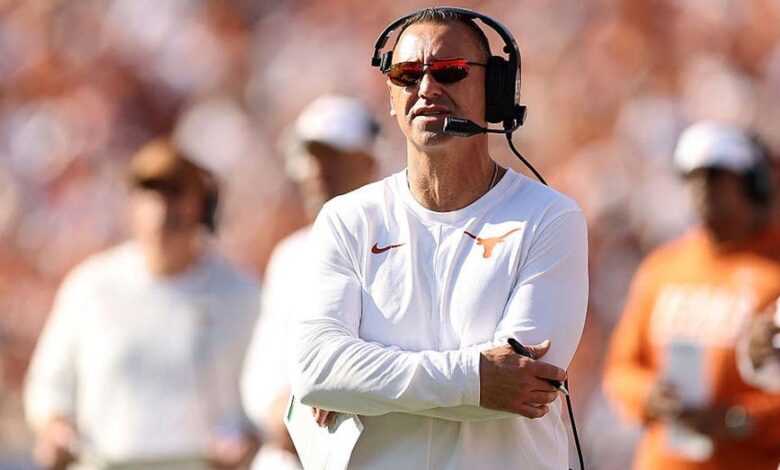
The disruption has rippled beyond commercial travel, significantly impacting the logistics of college football. Teams scheduled to play on Saturday faced last-minute logistical crises. Texas, which had already boarded its plane in Austin for a game in Baton Rouge against LSU, was forced to remain on the tarmac. Tennessee, scheduled to depart McGee Tyson Airport in Knoxville at 4 p.m. ET for a game in College Station, was grounded before takeoff. The University of Southern California (USC) had already departed for Bloomington, Indiana, while other schools, such as Alabama, utilized buses for shorter distances to Nashville. For teams like No. 2 Utah, which were grounded in Salt Lake City before a trip to Arizona, the outcome remained fluid, with some schools seeking alternative travel methods while others waited for the FAA to lift the stop.
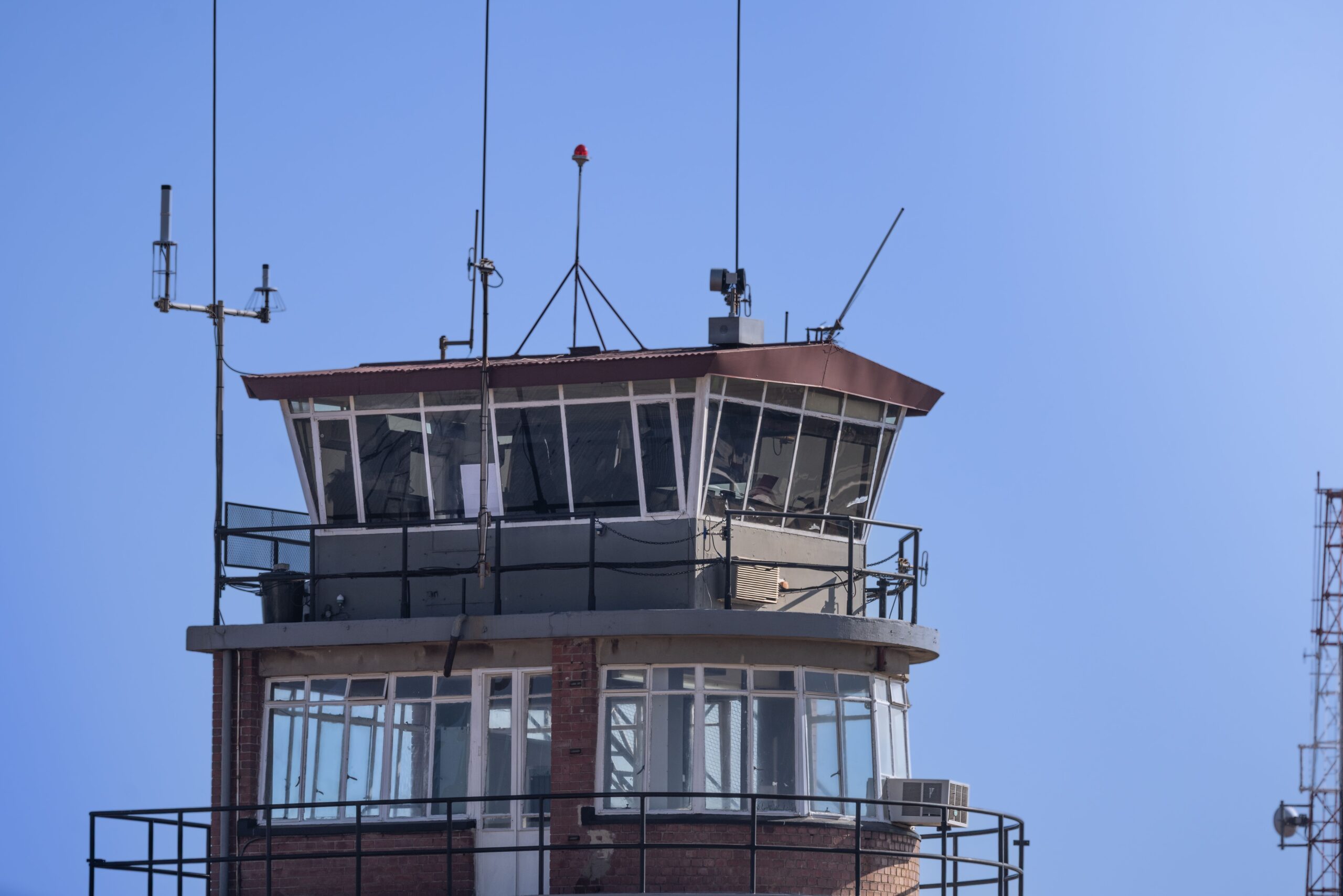
While the immediate cause is technical, the event has triggered a broader geopolitical and political examination of U.S. infrastructure resilience. Homeland Security Secretary Markwayne Mullin addressed reporters at the White House, stating there was “no reason to believe” the outage was caused by a foreign or nefarious actor. “This isn’t another 9/11,” Mullin said, emphasizing that the issue was a telecommunication outage rather than a terrorist threat. He noted that while the administration does not suspect foul play, the fix would take time. This statement came amid a backdrop of heightened security concerns, including a wave of phony bomb threats at European airports earlier in the week, which Spanish Foreign Minister Jose Manuel Albares described as “hybrid aggression and a form of psychological warfare.” Although the U.S. incident appears unrelated to those European events, the timing has fueled speculation about the fragility of critical digital systems.
Domestically, the incident has drawn sharp criticism from members of Congress. Democrats have pressed the administration for answers, framing the outage as a failure in system redundancy. Rep. Ted Lieu (D-Torrance) called the outage “completely unacceptable,” urging the FAA to create systems that do not have a single point of failure. “What just happened is enormously damaging to trust in our air system,” Lieu said, adding that the air system is a vital component of the national economy. Sen. Tammy Duckworth (D-Ill.), the ranking Democrat on the Aviation, Space and Innovation Subcommittee, stated that the safety of the skies is built on redundancies and that the incident warrants a “thorough and complete investigation.” Rep. Ro Khanna (D-Fremont), who was stranded at Denver International Airport, noted that lawmakers were awaiting a briefing from the administration.
Speculation regarding the root cause has swirled, though no definitive link has been established. Federal officials have not ruled out the possibility that the issue is tied to a new AI tool recently deployed by the FAA to assist air traffic controllers. The FAA announced the deployment of this tool just days before the ground stop, though it remains unclear if it played a role in Friday’s outage. Other theories, such as a link to a recent global Microsoft outage or a disruption in National Weather Service radar systems, have been denied by those respective agencies. The FAA previously issued a nationwide ground stop in 2023 when files related to a pilot alert system were unintentionally deleted, a precedent that highlights the vulnerability of the system to both human error and technical glitches.
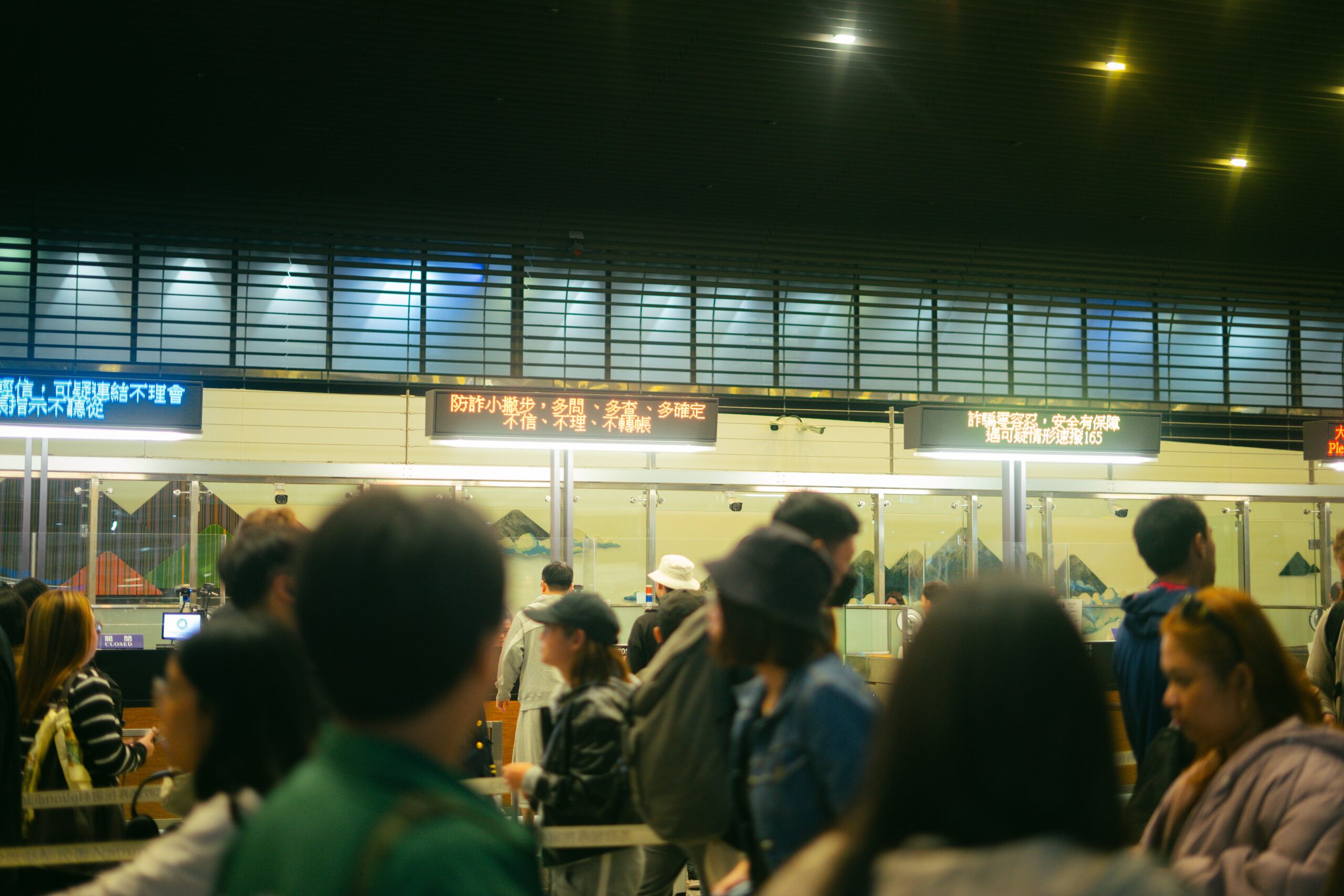
For travelers, the legal and financial implications are now a source of further anxiety. Under U.S. Department of Transportation regulations, airlines are required to allow passengers to deplane within three hours for domestic flights and four hours for international flights if they are stuck on the tarmac. Airlines must also provide water, snacks, and maintain comfortable cabin temperatures. However, passengers are not automatically entitled to financial compensation for delays. Those whose flights are delayed by at least three hours (domestic) or six hours (international) generally have the right to a refund if they choose not to continue traveling. Several airlines have announced flexible travel policies to assist affected customers.
As the sun set on Friday, the uncertainty remained. At LAX, Maria Moye, a retail marketing director, sat in the Delta terminal checking work emails while waiting for a rideshare, noting she felt “better” not being on the plane. The FAA has not provided an estimated time for resuming domestic flights, leaving millions of passengers, from business travelers to college athletes, in a state of suspended animation. The incident serves as a stark reminder of the complexities and vulnerabilities inherent in modern air traffic management, turning a routine weekend travel day into a test of national infrastructure.