
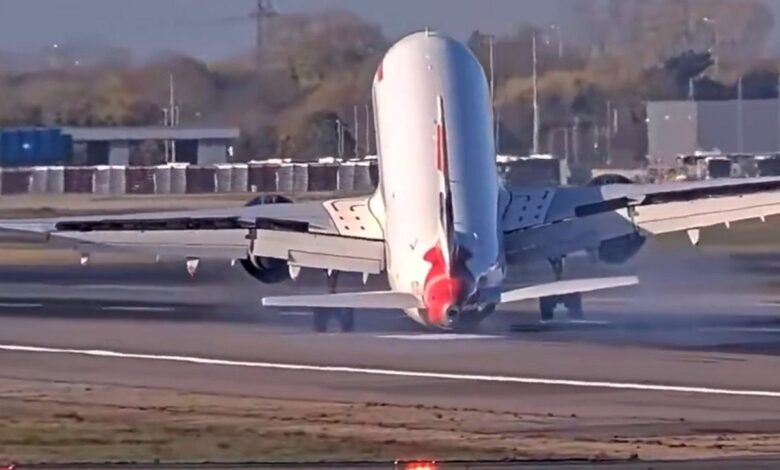
This incident marks the second significant operational disruption for British Airways in recent days, following an emergency return to Heathrow on Monday. On that occasion, flight BA295, a Boeing 777-200ER registered as G-VIIA, was en route to Chicago O’Hare. Roughly an hour into the flight, while over Ireland, the aircraft transmitted squawk code 7700, the international signal for a general emergency. Tracking data indicated a rapid descent from a cruising altitude of approximately 37,000 feet to around 9,000 feet within minutes. After stabilizing at the lower altitude, the aircraft made a U-turn toward Britain, circling in a holding pattern before landing on Heathrow’s runway 27L. The service was subsequently cancelled, and reports indicated the aircraft retained a substantial fuel load from the planned transatlantic journey.
The juxtaposition of these two events has drawn attention to the airline’s operational safety record, though the nature of the incidents differs significantly. The tail strike on BA431 was a physical contact event during landing, a known risk in aviation that can result from various factors including wind shear, pilot technique, or mechanical issues. British Airways has launched an investigation into the tail strike and reported the incident to the UK’s Air Accidents Investigation Branch (AAIB). A spokesperson for the airline confirmed the safe landing and stated that the airline is assisting the AAIB, declining further comment while the investigation is ongoing.
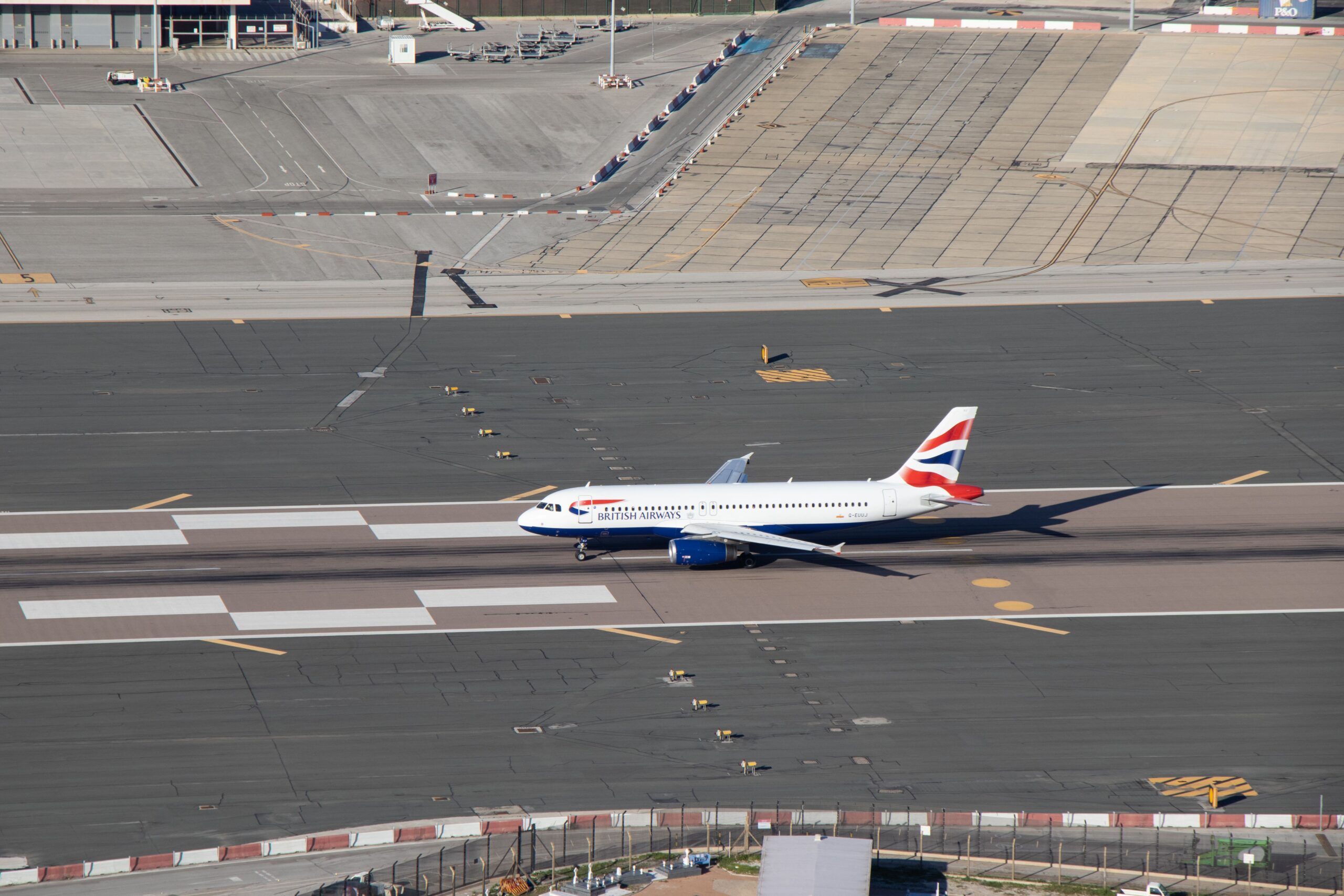
In contrast, the circumstances surrounding BA295 remain less clear. The transmission of squawk code 7700 alerts air traffic controllers to a general emergency requiring priority handling but does not specify the nature of the problem. The steep descent from 37,000 feet to 9,000 feet has led to speculation about a possible cabin depressurisation, as crews dealing with loss of cabin pressure often descend rapidly to a safe altitude. However, British Airways has not publicly disclosed the reason for the emergency or the rapid descent. Consequently, reports linking the incident to pressurisation issues remain unconfirmed. The flight data alone is insufficient to determine the specific cause, which could involve pressurisation, engine failure, a medical event, or other technical issues.
The timing of these incidents has heightened scrutiny, occurring days after another high-profile aviation emergency. On September 30, Flydubai flight FZ1073, travelling from Dubai to Tel Aviv, diverted to Tabuk in Saudi Arabia following a violent cockpit incident and a rapid descent. In that case, Israeli officials suspected the co-pilot had attacked the captain and attempted to seize control, resulting in injuries to both pilots. It is important to note that the circumstances surrounding BA295 are separate, and no evidence released so far connects the British Airways emergency with the Flydubai incident. The distinct nature of the BA295 event—characterized by a technical emergency signal rather than a reported human conflict—underscores the need for careful distinction between unrelated aviation incidents.
For British Airways, these events present both immediate operational challenges and longer-term reputational considerations. The tail strike, while resulting in no injuries, requires a thorough investigation to determine if it was an isolated error or indicative of broader procedural or training issues. The emergency return of BA295, on the other hand, involves questions about the reliability of the aircraft and the decision-making processes of the crew. The airline’s decision to cancel the Chicago service and return to Heathrow prioritized safety, a standard protocol in such emergencies, but it also resulted in significant logistical and financial impacts for passengers and the airline.
The aviation industry operates under strict regulatory frameworks, and both incidents will be subject to detailed review by the AAIB and other relevant authorities. The transparency of the investigations will be crucial in maintaining public confidence. While the tail strike was visually documented and the facts are relatively clear, the lack of confirmed information regarding the BA295 emergency leaves room for speculation. British Airways’ response, characterized by cooperation with investigators and a focus on safety, aligns with industry standards, but the outcomes of these investigations will ultimately determine the extent of any operational changes or corrective actions required.
As the investigations proceed, the focus remains on the safety of passengers and crew. The tail strike at Heathrow, though dramatic, resulted in a safe outcome, highlighting the effectiveness of the go-around procedure. The emergency return of BA295, while less visually dramatic, demonstrated the importance of rapid decision-making in the face of potential technical failures. Both incidents serve as reminders of the complex challenges faced by airlines in ensuring the safety of their operations, particularly in an era of increased air travel and heightened public scrutiny. The next steps will involve the release of preliminary findings from the AAIB and any further statements from British Airways, which will provide clarity on the causes and implications of these events.





One Comment