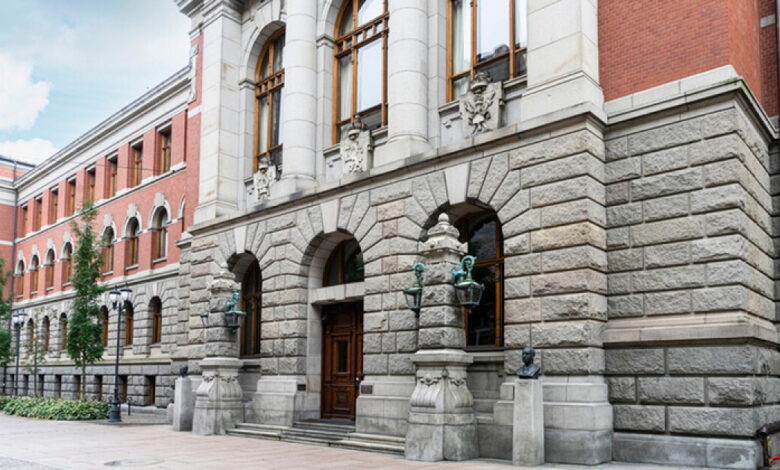
The legal challenge originated from a lawsuit filed three years ago by the environmental advocacy groups Greenpeace and Nature and Youth. The organizations argued that the Norwegian state had failed to conduct a sufficient climate impact assessment, specifically ignoring the long-term carbon footprint associated with the consumption of the oil and gas produced from these fields. The Supreme Court’s decision echoes recent judicial trends in the United Kingdom, specifically the rulings concerning the Jackdaw and Rosebank fields, which similarly focused on the necessity of accounting for downstream emissions in planning consent.
The ruling affects three specific North Sea developments. Notably, two of these fields are already on stream and actively producing hydrocarbons, while the status of the third field is not detailed in the available reporting but is subject to the same legal invalidation. Despite the legal reversal, the immediate physical impact on global supply chains is minimal. Because the majority of the affected assets are already operational, the court’s decision does not trigger an immediate shutdown or a reduction in current output. The Norwegian government has confirmed that production levels remain unaffected by the verdict, distinguishing this case from scenarios where a court order mandates an operational halt.
This decision underscores a growing legal and regulatory divergence between corporate operational emissions (Scope 1 and 2) and the broader lifecycle emissions (Scope 3) that are critical to global climate targets. For energy companies, the ruling suggests that the legal framework for permitting future projects in the North Sea may require more rigorous climate impact statements that explicitly quantify and address end-user emissions. This mirrors the increasing scrutiny faced by fossil fuel projects across Europe, where courts are increasingly interpreting environmental protection laws to include climate change considerations.
From a market perspective, the news is unlikely to cause volatility in crude oil or natural gas prices. The fields in question represent a small fraction of Norway’s total production, and the fact that they continue to operate means no new supply risk has been introduced. However, the ruling carries significant implications for investment certainty and long-term permitting strategies. It signals to investors and developers that the legal risk associated with climate litigation is rising, potentially affecting the cost of capital and the timeline for new greenfield projects in the region.

The distinction between the legal validity of a permit and its operational reality is crucial here. In many jurisdictions, a permit voided by a court may still allow operations to continue while the administrative appeal process unfolds or while a new, compliant permit application is processed. In this case, the immediate continuity of operations suggests that the Norwegian state will likely seek to rectify the procedural deficiencies without interrupting the flow of hydrocarbons. This outcome highlights the complex interplay between environmental law, energy security, and industrial continuity in the North Sea.
For the energy sector, this case serves as a precedent for the integration of lifecycle emissions into regulatory frameworks. It challenges the traditional separation between extraction rights and the environmental consequences of consumption. As other nations face similar litigation, the Norwegian Supreme Court’s reasoning may be cited in future cases, potentially accelerating the need for clear regulatory guidelines on how Scope 3 emissions should be assessed in permitting decisions. The ruling does not ban oil production, but it mandates a more comprehensive accounting of its climate footprint, a standard that is increasingly becoming a baseline for legal compliance in the European energy landscape.