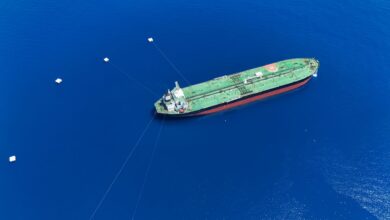
The blockade stems from the collapse of a 60-day memorandum of understanding (MoU) signed in June. According to Iranian officials, the agreement fell apart in July after the United States attempted to push for an alternative shipping route closer to Omani territory, a move that triggered Iranian attacks. Iranian Foreign Minister Abbas Araghchi has clarified that Tehran’s expected agreement with Oman to govern the strait does not signal an immediate reopening. Instead, Araghchi stated that Iran will “provide the participating countries with the details of the agreement with Oman and the maps related to the new route” during planned talks, but emphasized that this does not “in any way” signal that the strait will reopen until the US honours its commitments under the now-defunct MoU.
In an effort to manage the fallout, Iran’s Ministry of Foreign Affairs announced that a meeting between Iraq and Gulf nations will be held in Oman on Monday. The stated goal is to “promote better understanding among the countries of the region and help strengthen shared regional security.” Iranian Foreign Ministry spokesman Esmaeil Baghaei framed the initiative as a sign of good faith, arguing that regional security must be guaranteed by regional countries without intervention from outside powers. “This is a sign we will talk to our neighbours, despite the fact that their territories, their military bases or the military bases of the United States, were used to attack Iran,” Baghaei told Al Jazeera.
However, the proposed summit has already encountered significant diplomatic resistance. Bahrain, a member of the Gulf Cooperation Council (GCC), has explicitly stated it will not participate in the meeting. The Kingdom’s refusal is rooted in the physical and economic toll it has borne since the US and Israel launched the war on Iran in February. Bahrain’s Ministry of Foreign Affairs issued a statement on Saturday, declaring that security and stability in the region “cannot be preserved through a policy of appeasement.” The ministry called for the Strait of Hormuz to be open without “discrimination, fees or permits,” rejecting the premise of a managed or restricted passage.
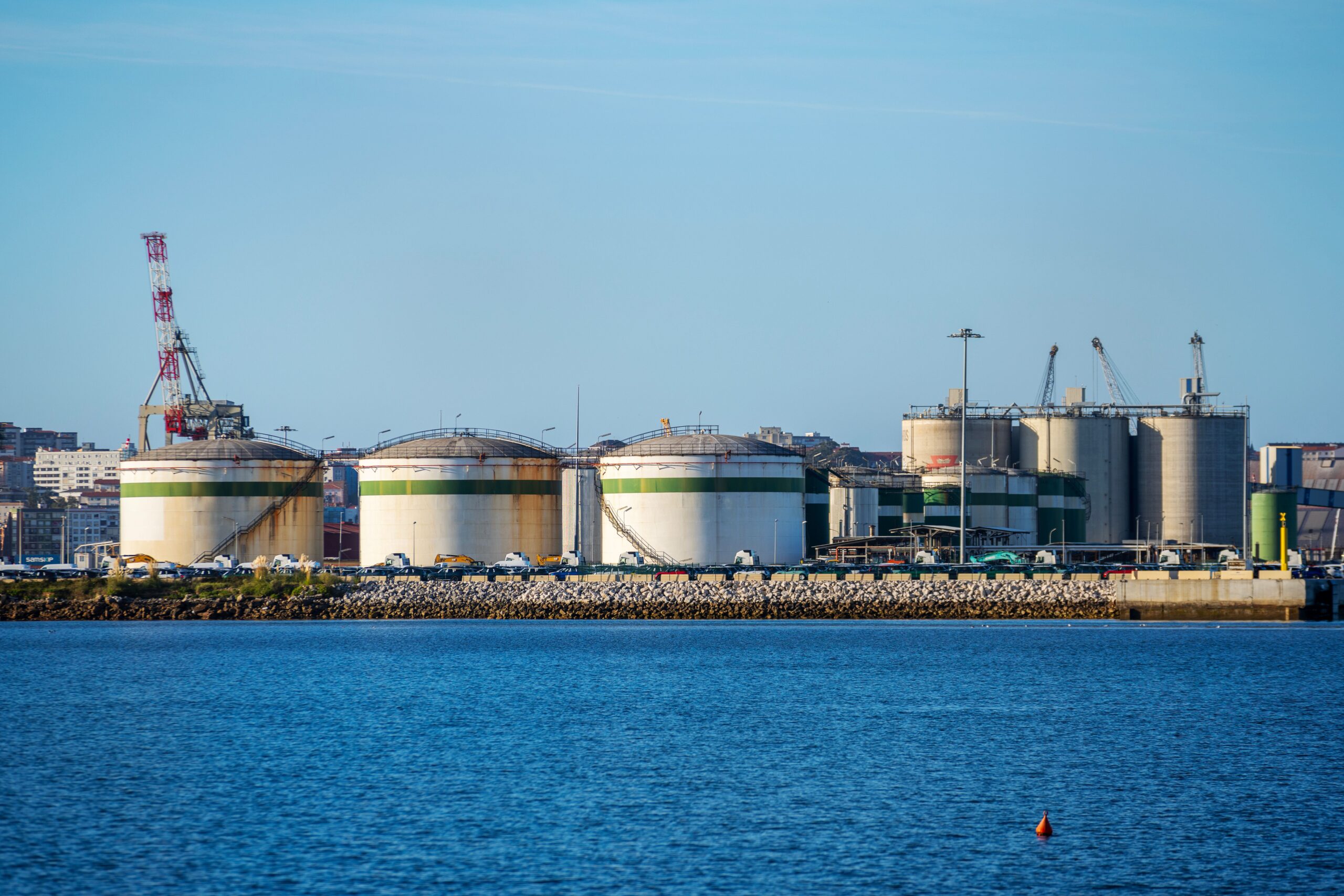
Bahrain’s stance highlights a critical divergence in how Gulf states view the security architecture of the region. While Tehran insists on regional autonomy in security matters, Gulf nations have accused Iran of attacking civilian targets, including airports and desalination plants. The economic impact of these disruptions is severe. Gulf countries depend on oil and gas for the vast majority of their budgets, and the blockade has directly impacted these revenues. The uncertainty extends beyond the immediate region, with global energy supplies disrupted, affecting markets and consumers worldwide.
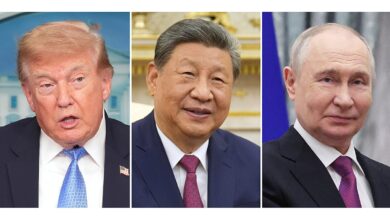
Amid the diplomatic stalemate, the threat of military escalation looms. With a settlement between Tehran and Washington seemingly out of reach, US President Donald Trump has hinted at the possibility of launching “another little Operation Epic Fury.” This rhetoric, combined with the physical reality of the blockade, has heightened anxieties among Gulf leaders who fear a renewed US-Iran war. The situation is further complicated by escalating attacks on maritime traffic. On Sunday, at least one person was killed and four others were wounded after an Iranian commercial vessel was attacked near Qeshm Island in the strait. Such incidents have been escalating in recent weeks, further complicating any attempt to normalize shipping operations.
The role of the United States remains central to the impasse. US Secretary of State Marco Rubio is currently in Bahrain, a visit that coincides with the ramping up of diplomatic efforts. His presence underscores the US commitment to engaging with Gulf partners, even as formal talks with Iran stall. The US position appears to be one of enforcing the terms of the previous memorandum, while Iran insists on a new framework that prioritizes regional control over the waterway.

The planned meeting in Oman, if it proceeds with partial attendance, will serve as a litmus test for regional cohesion. Iraq and most other Gulf nations have not yet responded to the invitation, leaving the composition of the talks uncertain. For the affected economies, the wait is costly. Every day the Strait of Hormuz remains closed or subject to contested routing rules, the budgetary pressures on Gulf states intensify. The disconnect between Tehran’s desire for regional security autonomy and the Gulf states’ demand for unrestricted, secure passage remains the primary obstacle to resolution.
As the region braces for the outcome of the Oman talks, the focus shifts to the immediate political and military responses. The absence of Bahrain signals that a unified Gulf front is unlikely, potentially fragmenting the regional response to Iran’s blockade. Meanwhile, the threat of further military action by the US, as hinted by President Trump, adds a volatile element to an already precarious situation. The next critical step will be whether the US and Iran can find common ground on the specific terms of navigation through the strait, or if the economic and military pressures will force a different diplomatic path.