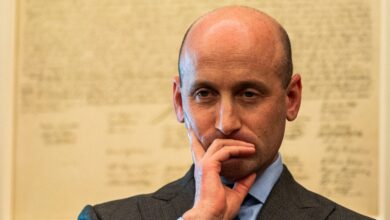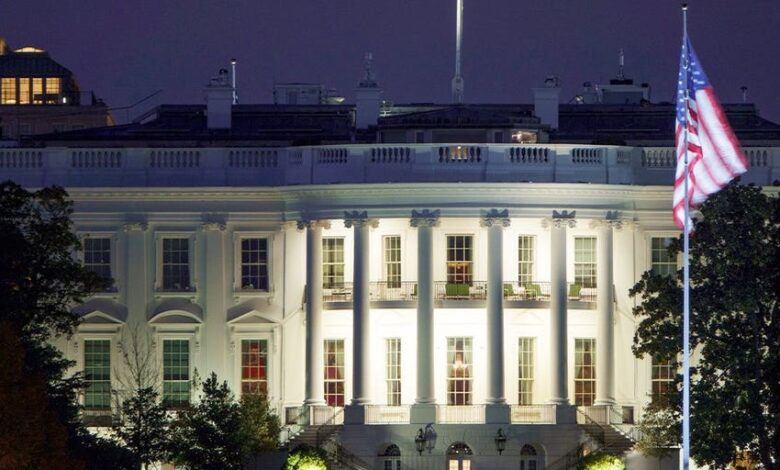
The central development in this political and operational crisis is the transition from a technical failure to a matter of national governance. When the communications outage struck air traffic control centers, it compromised the safety protocols necessary for flight operations. In response, the FAA exercised its authority to implement a ground stop, effectively pausing the departure of all U.S. flights. This action, while necessary for safety, resulted in immediate and severe disruptions to the nation’s transportation network. The White House briefing served as the primary channel through which officials explained the scope of the outage, the rationale behind the ground stop, and the steps being taken to restore normal operations.
The principal actors in this scenario are the Federal Aviation Administration, which manages the national airspace and air traffic control systems, and the White House, which coordinates the government’s public response to major infrastructural failures. The FAA’s decision to halt flights was driven by the inability to maintain reliable communications with air traffic control centers, a critical component of flight safety. Without these communications, controllers cannot safely manage the flow of aircraft, necessitating a complete stop to prevent potential accidents. The White House officials, by holding the briefing, sought to maintain public confidence and provide clarity during a period of uncertainty.
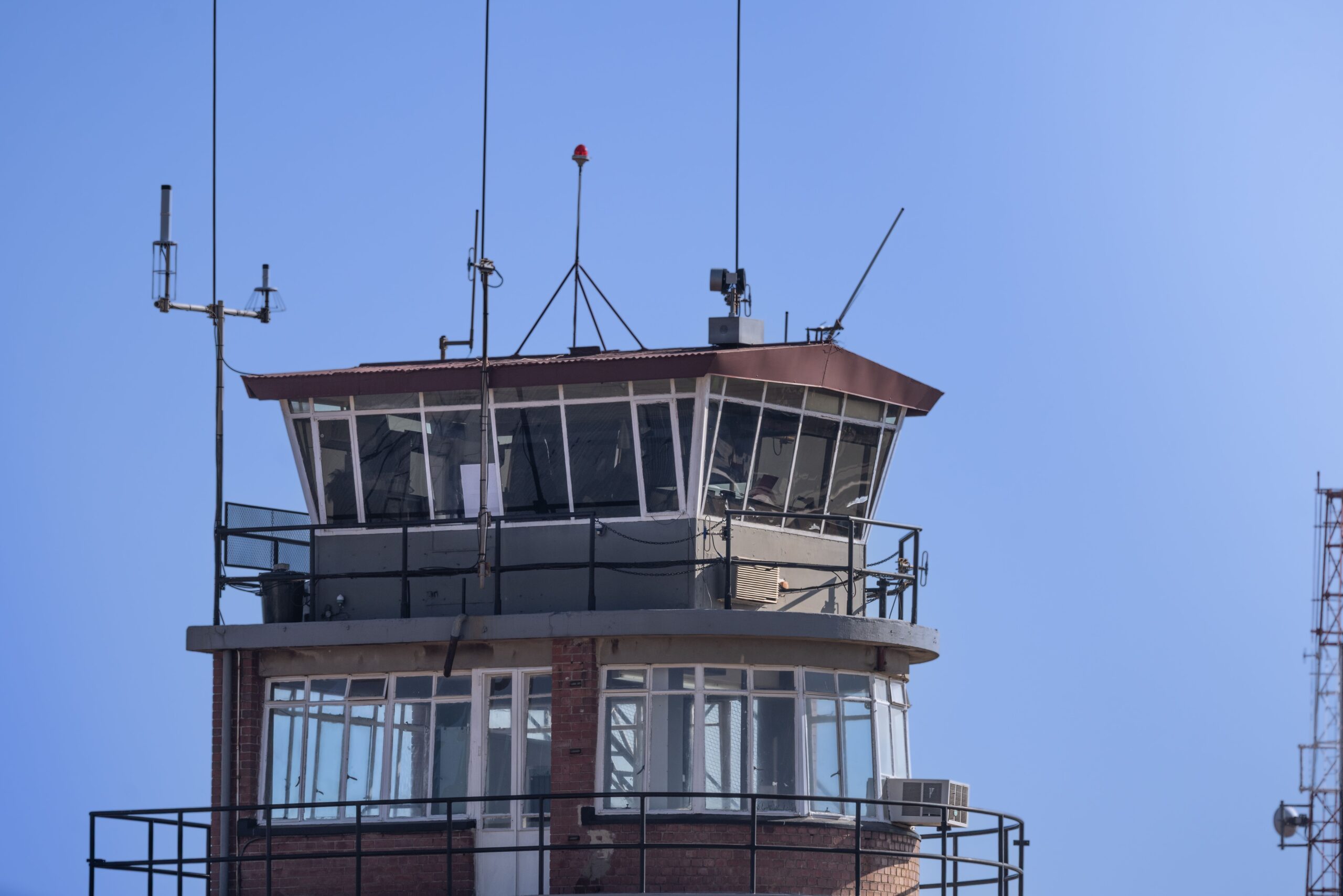
The political significance of this event lies in the intersection of infrastructure reliability and public trust. The U.S. aviation system is a complex network that relies on seamless communication between pilots, air traffic controllers, and ground systems. A communications outage of this magnitude exposes vulnerabilities in this infrastructure. The government’s response highlights the institutional mechanisms in place for managing such crises. The FAA operates under strict regulatory frameworks that prioritize safety above all else, which means that any threat to communication integrity results in immediate operational halts. The White House’s role in this context is not to manage the technical aspects of the outage but to communicate the government’s commitment to resolving the issue and minimizing the impact on the public.
The impact of the ground stop on governance and the public is immediate and tangible. Travelers faced cancelled flights, lost connections, and significant delays, disrupting personal and professional schedules across the country. The economic ripple effects, while not detailed in the provided source, are inherent in such a widespread halt of aviation activity. The public’s reliance on air travel for both commerce and personal mobility means that any disruption has far-reaching consequences. The White House briefing aimed to mitigate the anxiety and confusion caused by these disruptions by providing official information on the recovery timeline.
Opposing positions or criticisms of the response are not explicitly detailed in the provided source material. However, the necessity of the ground stop is generally accepted as a safety imperative. The focus of the official narrative remains on the technical nature of the outage and the steps being taken to restore communications. There is no indication in the source of political debate or partisan framing surrounding the incident, suggesting a unified government response focused on operational recovery rather than political maneuvering.

What remains uncertain is the precise duration of the communications outage and the full extent of the recovery efforts. The source indicates that the briefing was held to discuss recovery, implying that the situation was still ongoing at the time of the report. The specific technical causes of the outage and the timeline for restoring full air traffic control capabilities are not detailed in the provided text. The public’s experience of the disruption, characterized by halted flights and travel chaos, underscores the fragility of the aviation system’s dependence on digital communications.
The White House briefing stands as the key institutional response to this crisis. By addressing the public directly, officials aimed to ensure transparency about the situation and the government’s actions. The ground stop, while disruptive, was a direct result of the FAA’s safety protocols in the face of a communications failure. The resolution of this incident will depend on the successful restoration of the air traffic control communications systems. The next political development will likely involve a post-incident review or public statement detailing the root cause of the outage and any measures to prevent future occurrences, ensuring that the integrity of the national aviation system is maintained.