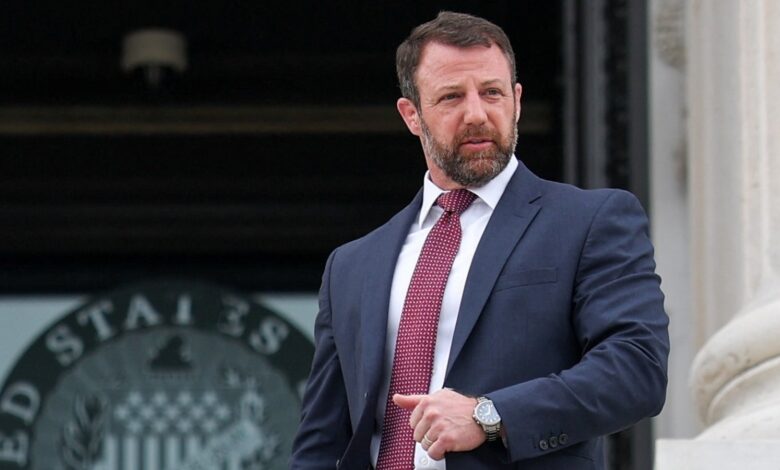
The confirmation was finalized after a procedural vote over the weekend, which was supported by two Democratic senators: Pennsylvania’s John Fetterman and New Mexico’s Martin Heinrich. Fetterman’s support had been anticipated after he expressed approval for Mullin during the committee hearing and voted to favorably report him out of the panel. Heinrich, who had not previously announced his stance, stated that he viewed Mullin as a “friend” with whom he had an “honest and constructive working relationship.” “I would like a secretary who I can call and have a constructive conversation with about my state and the unique terrain that exists in the southwest,” Heinrich wrote, noting the need for a proper mix of structure, technology, and personnel to secure the border.
The appointment follows a rapid process initiated when Trump nominated Mullin on March 5, days after firing Noem. Mullin, 48, is a former mixed martial arts fighter and professional plumber who has served in Congress since 2013. He entered the Senate via a special election after serving 10 years in the House of Representatives. He is the only sitting senator without a bachelor’s degree, having earned an associate’s degree from the Oklahoma State University Institute of Technology.
Mullin’s confirmation path was not without friction. During his committee hearing, Kentucky Senator Rand Paul, who leads the Senate Committee on Homeland Security, was the only Republican to vote against Mullin. Paul questioned whether a person who “applauds political violence” was suitable to lead the department, referencing Mullin’s past comments regarding a neighbor who attacked Paul. Mullin did not apologize during the exchange. The hearing also featured heated exchanges with Democrats who questioned his lack of law enforcement experience and his past statements.
Mullin, a member of the Cherokee Nation and a staunch supporter of the administration’s immigration policies, described himself as “practical” in his approach. “My focus is to keep the homeland secure,” Mullin told reporters shortly after the nomination. He pledged to listen to concerns from all sides and said he hoped to lead a DHS that made fewer headlines, stating, “My goal for six months f…” [Note: Source text cuts off]. The department remains embattled, with a partial government shutdown stemming from immigration enforcement blunders having deprived much of its services of funding.

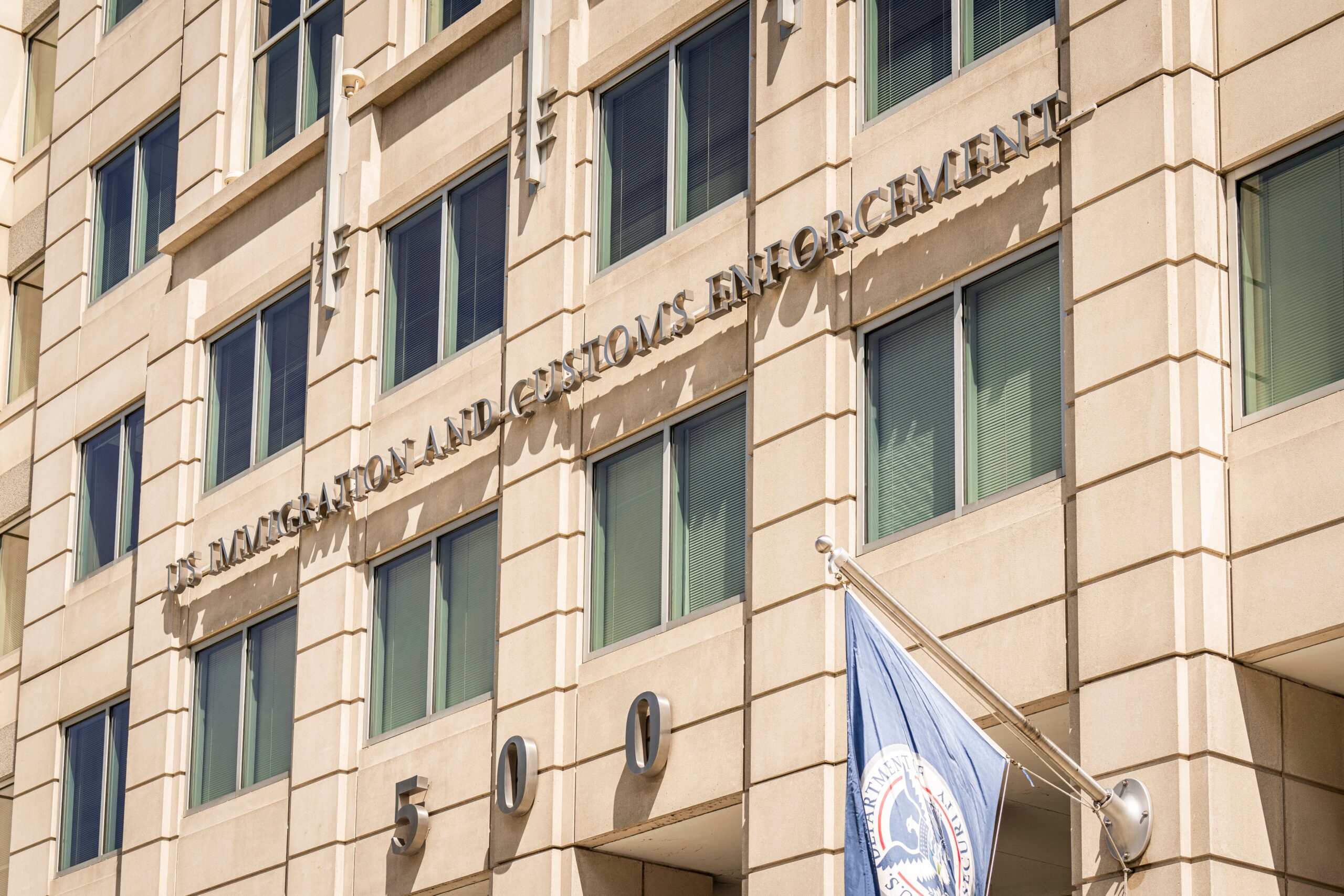
Noem served as DHS secretary for just over a year. Her departure was reportedly triggered by a dispute over a $220 million advertising campaign that prominently featured her. Mullin now faces the challenge of managing the department’s operations while navigating ongoing congressional oversight and funding issues.