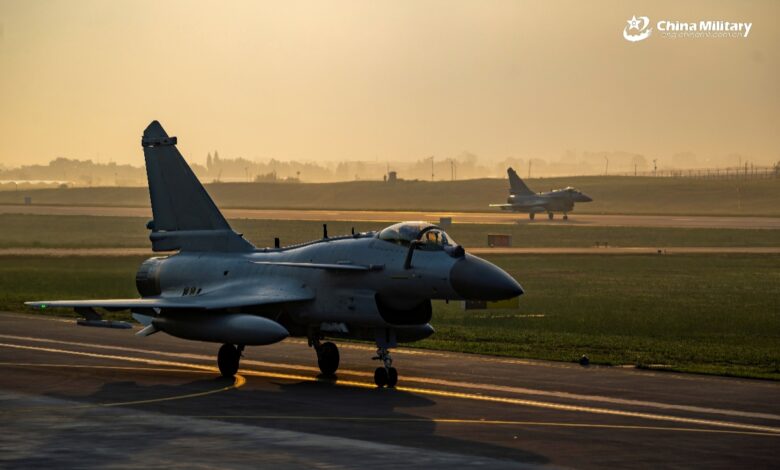
The most concrete recent development involves Uzbekistan, which has become the second confirmed foreign operator of the J-10CE, following Pakistan. This status was substantiated by footage released around Uzbekistan’s Independence Day celebrations, showing at least six J-10CE fighters. While earlier reports suggested Tashkent might acquire as many as 24 jets, neither Beijing nor Tashkent has officially confirmed the total number. The acquisition is strategically significant for Uzbekistan, a nation that has historically relied heavily on Russian combat aircraft, marking a notable shift in its procurement strategy.
In South Asia, Bangladesh is moving swiftly toward finalizing its own acquisition. A government committee in Dhaka has finalized a direct procurement draft with China’s state-owned China National Aero-Technology Import & Export Corporation for 20 J-10CE units. The total value of the deal is estimated at $2.3 billion, with a base price of $62.7 million per unit. However, the effective cost per aircraft rises to nearly $115 million when accounting for technical assistance, infrastructure development, and crew training. The funding plan requires 10 annual budget allocations extending through 2036. Under the proposed structure, half of the fleet will enter active service with the Bangladesh Air Force, while the remainder will be reserved for training programs and reserve units. The deal also includes options for procuring attack helicopters, transport aircraft, and unmanned aerial systems.
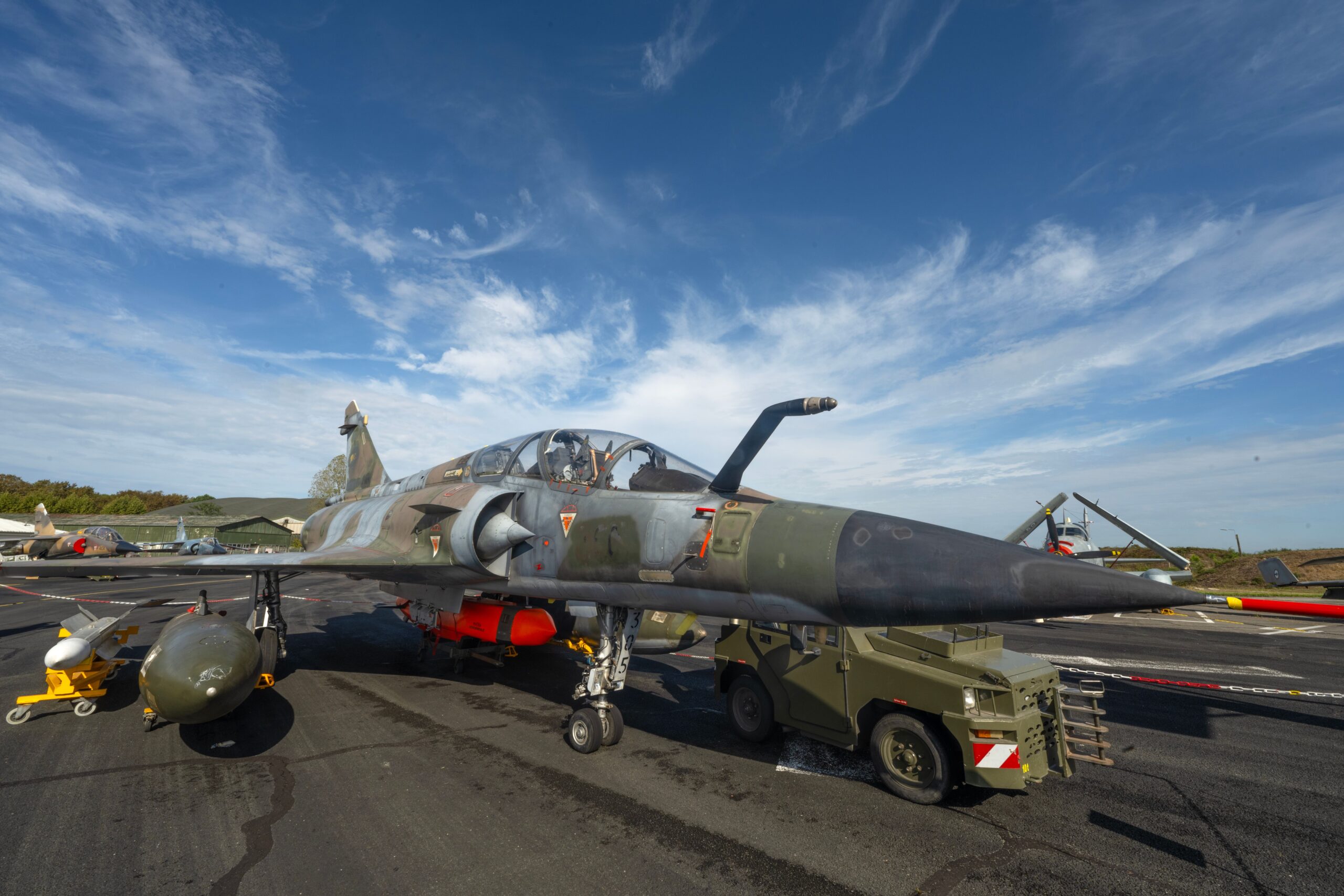
Bangladeshi officials have cited both cost-effectiveness and combat performance as primary drivers for selecting the Chinese platform over European alternatives, such as the French Dassault Rafale. Zahed Ur Rahman, the information and broadcasting adviser to the Bangladeshi Prime Minister, stated, “When India and Pakistan were at war, India’s Dassault Rafale was downed, and it was done by the Chinese J-10. This information is now established.” He added, “If we compare aircraft of similar quality, Chinese fighters are much cheaper than their European counterparts.” It is important to note that while this claim is central to Dhaka’s justification, independent verification of specific kill claims from the May 2025 India-Pakistan confrontation remains limited in the provided sources; however, the perception of the J-10CE’s combat efficacy is clearly influencing procurement decisions in the region.
Technical specifications of the J-10CE, designated by NATO as the “Firebird,” include a length of 17 meters and a wingspan of 10 meters. Powered by a Shenyang WS-10B afterburning turbofan engine, the aircraft achieves a top speed of Mach 1.8 (2,223 km/h), an operational ceiling of 18,000 meters, and a range of 2,500 nautical miles. Its armament suite includes 23mm autocannons, unguided rocket pods, and guided munitions such as PiLi air-to-air missiles, Kongdi land-attack missiles, and Yingji anti-radiation and anti-ship missiles. The aircraft is equipped with an Active Electronically Scanned Array (AESA) radar and can deploy the PL-15 long-range air-to-air missile.
Interest in the platform is also extending into Africa and Southeast Asia. Indonesia is reportedly expecting to acquire J-10 fighter jets within six months, with the Air Force Chief of Staff urging the public for patience regarding the timeline. Meanwhile, Egypt remains a closely watched potential buyer. Cairo’s interest stems from a long-standing effort to diversify its military suppliers, a strategy accelerated after the United States paused an arms transfer in 2013. By 2015, the J-10C had emerged as a key alternative. Reports in 2024 indicated an agreement to acquire the jets, though details were never officially released. The aircraft is estimated to cost between $40 million and $50 million per unit in this context. Chinese J-10C fighters were deployed to Egypt for the “Eagles of Civilization” exercise in 2025, and another major joint air exercise took place in August 2026, reinforcing military cooperation.

Analysts at Chatham House note that Egyptian procurement policy is driven by more than just technical considerations. “The J-10C fighter jet ticks all the boxes: It satisfies Cairo’s diversity strategy and technological needs. It is under the sanctions threshold since it is less technologically savvy than the most controversial J-20 5th generation fighters… And it takes Egypt’s military partnership with China to a new level,” the institute stated. This assessment highlights how the J-10CE serves as a diplomatic and strategic tool, allowing Beijing to expand its influence in regions traditionally dominated by Western and Russian arms exports.
As China, ranked as the world’s third strongest military by Global Firepower in 2026, pushes deeper into the combat aircraft market, the proliferation of the J-10CE represents a tangible shift in the global balance of military hardware. For buyers like Bangladesh and Uzbekistan, the aircraft offers a cost-effective alternative with proven export support structures. For Beijing, each new operator expands the operational footprint of its indigenous aviation industry, challenging the long-standing dominance of the United States, Europe, and Russia in the global fighter jet market. The next critical milestones will likely involve the formal signing of the Bangladeshi contract and the official confirmation of Indonesia’s delivery schedule.