The contest was defined by a stark dichotomy: sixty minutes of English dominance followed by thirty minutes of chaotic survival. From the first whistle, the Three Lions rejected any notion of replicating their opponents’ tiki-taka style. Instead, they imposed a physical, aggressive identity, overwhelming Spain with pace, power, and directness. This approach, which saw England snap into tackles and deny their hosts possession, represented a bold tactical departure for Tuchel’s side, prioritizing intensity over possession metrics.
Harry Kane, the Ballon d’Or winner who had faced significant scrutiny following his penalty miss against Spain in September, delivered when it mattered most. The England captain won the spot-kick with a decisive challenge and converted with cool precision to open the scoring. His performance was pivotal, extending his influence to the third goal, which he helped orchestrate through a series of intricate combinations with Jude Bellingham. The third strike itself was a product of set-piece proficiency, a phase of play where Arsenal’s tactical influence was evident, as two Arsenal players combined to find the net.

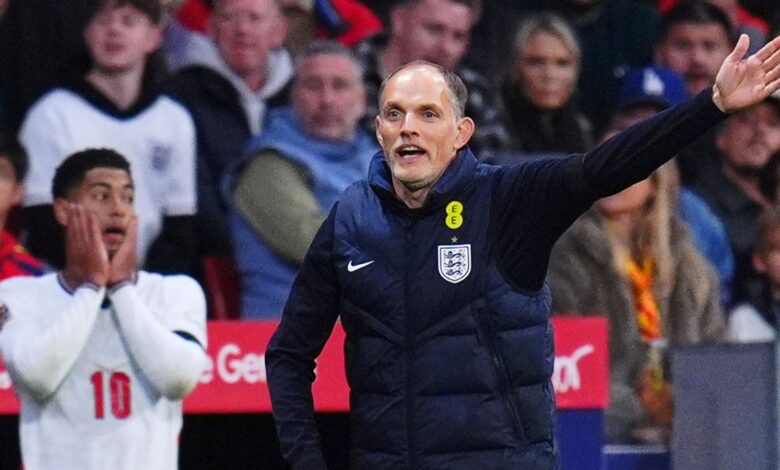
However, the narrative of the match shifted dramatically in the second half when Elliot Anderson received a red card, leaving England with ten men. While the departure of Anderson created a numerical deficit, the tactical response from the England bench revealed a manager who had clearly learned from the heartbreak of the previous World Cup semi-final against Argentina. In that tournament, Tuchel had retreated to a back five in the 72nd minute, a defensive retreat that ultimately failed to prevent defeat. This time, despite the man disadvantage, there was no panic. Tuchel maintained a back four formation throughout the final 25 minutes, a decision that signaled immense confidence in his squad’s ability to hold their shape against the best team in the world.
The defensive resilience was anchored by key individual performances. Ben White and Lewis Hall were instrumental in absorbing Spain’s relentless pressure, while Jude Bellingham, who shifted back from his No 10 role to cover Anderson’s absence, provided crucial stability in midfield. The defensive line held firm until the 89th minute, when Dan Burn was introduced, but even then, the structure remained intact. This composed challenge stood in stark contrast to the reactive changes seen against Mexico in the last 16, where Burn was brought on in the 75th minute as part of a defensive adjustment.
Despite the victory, the match was not without error. Missteps from Jarell Quansah, Anderson, and Anthony Gordon allowed Spain to mount a late rally, resulting in two goals that kept the tension high until the final whistle. While Roy Keane had described the performance as “perfect” at half-time, the final scoreline reflected the chaos that comes with high-stakes football. Yet, the attitude and commitment displayed by the squad outweighed the individual mistakes. The England supporters, who had been goading Lamine Yamal and chanting for Kane throughout the match, found a performance worthy of their backing.
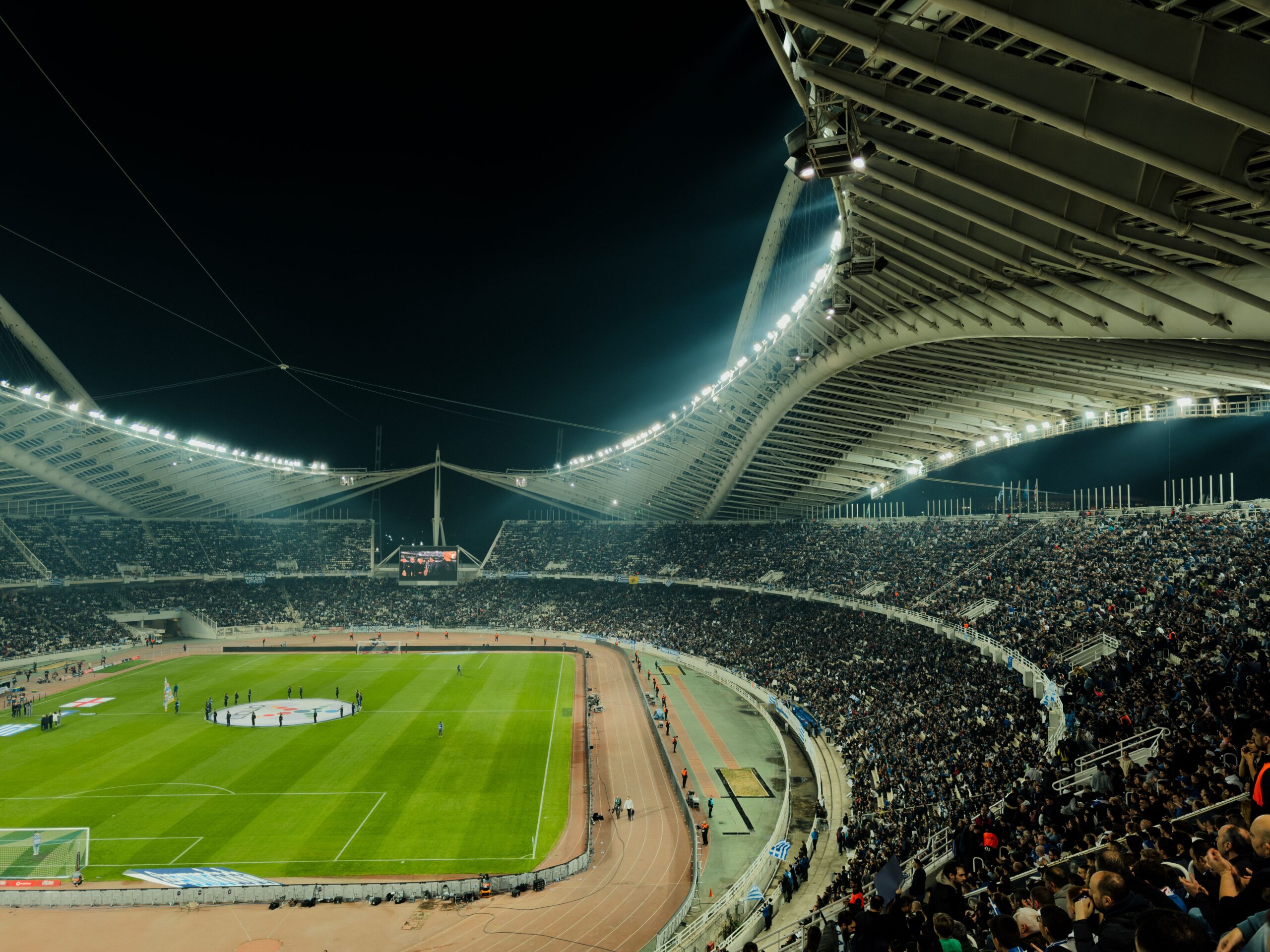
This victory carries significant competitive consequences. By topping their group, England have secured a more favorable path in the Nations League, avoiding stronger opposition in the early stages of the knockout phase. More importantly, it serves as a corrective to the narrative of fragility that persisted following the World Cup. Tuchel’s refusal to retreat, even when down to ten men, has instilled a new degree of faith among the fanbase and the football establishment alike. The result suggests that England are no longer merely hanging on, but are capable of dictating terms against elite opposition.
The next focus for Tuchel’s side will be the quarter-final draw in March, where their seeded status will determine their opponents. For now, however, the image of a resilient, attacking England side holding off Spain in Madrid will define this autumn campaign.