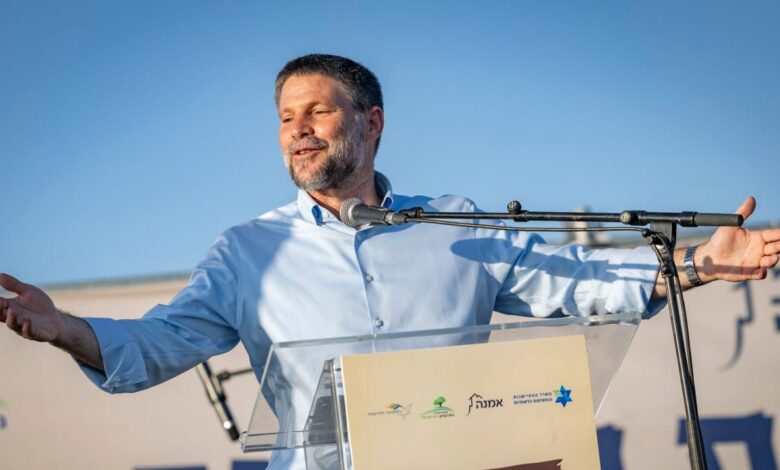
Kahana rejected these demands in a public response, labeling them “anti-statesmanlike.” In his letter, Kahana expressed puzzlement at the request to disregard a segment of the population constituting 21% of the general population, noting that Smotrich and his partners had previously cooperated with these factions. “I reject your anti-statesmanlike demand and call on you to respect the democratic process and its results,” Kahana wrote, inviting Smotrich and his faction to support his candidacy to express a “broad national consensus.” He emphasized that his commitment would be to statesmanship, democratic principles, and the standing of the Knesset as the people’s house, reflecting the will of all segments of Israeli society.
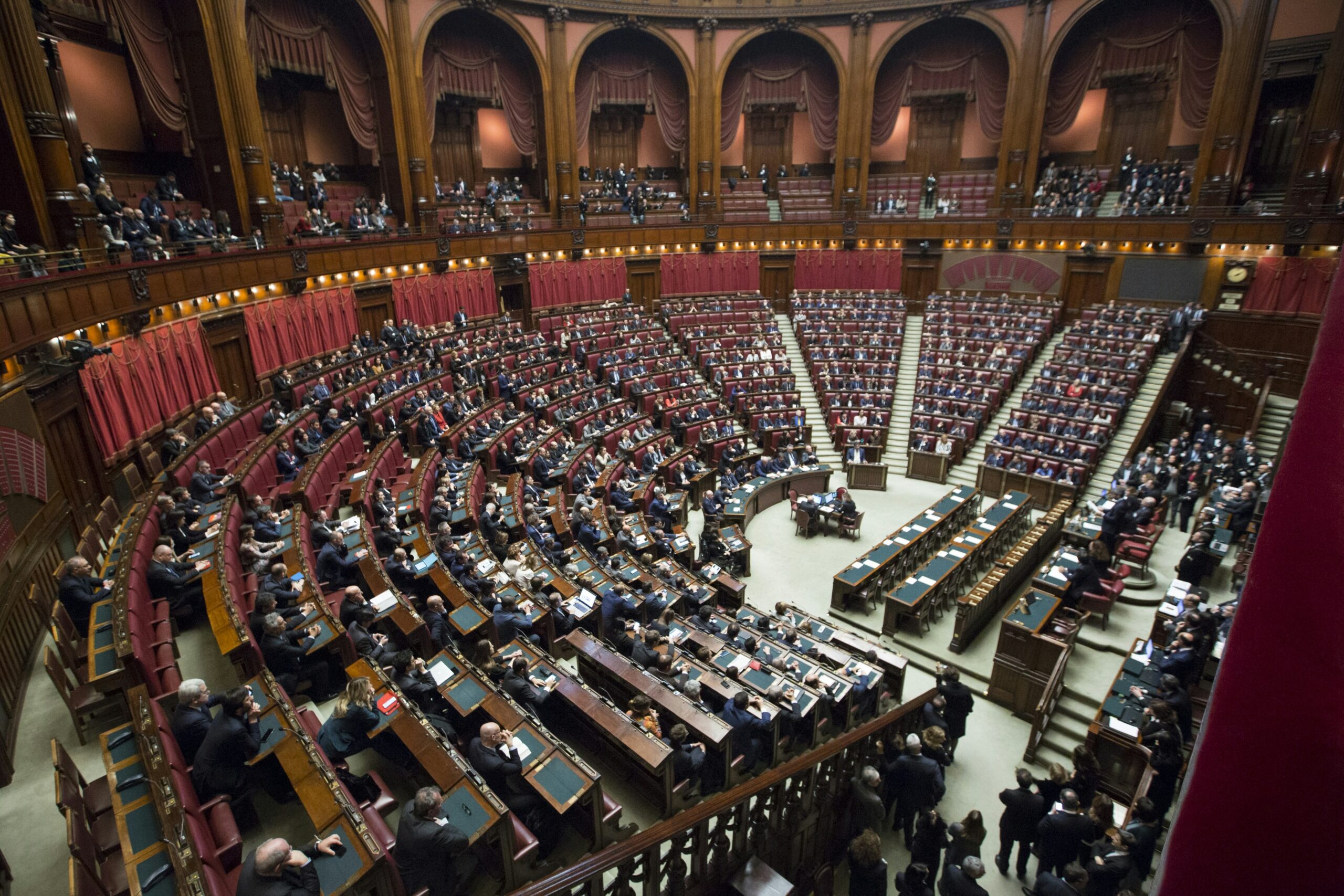
The political calculus behind this exchange is complex. The Eisenkot-led bloc, which received 67 seats in the recent election—including 19 from Arab parties—already holds a parliamentary majority. Netanyahu’s bloc won 53 seats. Consequently, the Eisenkot bloc does not technically require support from Netanyahu’s faction to elect Kahana, a vote scheduled for Tuesday. The move to replace the current Speaker, Amir Ohana of the Likud party, is driven by a desire for greater control over the parliamentary agenda, including legislation, votes, and committee appointments, even while Netanyahu remains in office as head of a caretaker government. Last week, Yashar submitted a letter signed by more than 61 MKs demanding Ohana’s replacement, and the new bloc has already submitted numerous bills, including proposals to repeal laws passed by Netanyahu’s outgoing coalition and to establish a state commission of inquiry into the October 7 massacre, a body that was repeatedly blocked during the 25th Knesset’s term.
Smotrich’s letter, however, appears designed to place political pressure on the Eisenkot-led bloc. The text warns that if Kahana is elected with the votes of MKs who “support terrorism,” it would normalize cooperation with “enemies to resolve disagreements between brothers,” creating an “indelible stain.” In contrast, Smotrich argued that if Kahana accepted the conditions, he would be appointed with the support of an “overwhelming Zionist majority, spanning political camps,” and that “the people of Israel will stand behind you in Zionist unity.” This rhetoric highlights the deep divisions within the Israeli political landscape, where the definition of legitimate political cooperation remains contested. The Knesset’s Arrangements Committee had already approved Waleed Taha of Ra’am and Ahmad Tibi of the Joint List among nine MKs recommended to serve as temporary deputy speakers, a move that underscores the bloc’s reliance on its electoral majority regardless of bipartisan overtures.
This procedural standoff occurs simultaneously with serious allegations regarding the integrity of the recent election itself. According to reports, Prime Minister Netanyahu’s camp is facing accusations of orchestrating the arrests of opponents on election day. Netanyahu’s office acknowledged that they had called police officials but denied any wrongdoing. These allegations suggest a potential attempt to influence the electoral process or suppress opposition activity, adding a layer of institutional tension to the current parliamentary maneuvering. While the Knesset’s Arrangements Committee is focused on the mechanics of the new parliament, the shadow of these allegations looms over the legitimacy of the mandate held by the incoming leadership.
The path forward remains uncertain. Gadi Eisenkot received the mandate from the president last week to form the next government, with a 28-day deadline to do so, extendable by 14 days. However, no government has yet been formed, as most party leaders have drawn a red line against partnering with the Arab parties. Despite this, Arab party support remains crucial for the Eisenkot bloc to pass key legislation during the caretaker period. The tension between the desire for a “Zionist unity” government and the reality of an electoral majority that includes Arab representatives defines the immediate political challenge. Smotrich’s offer provides a potential exit for the Eisenkot bloc to gain broader legitimacy, but at the cost of excluding significant portions of the electorate from the Knesset’s leadership structure. Kahana’s rejection of these terms signals a commitment to the electoral results as they stand, even if it means governing without the support of the incumbent Prime Minister’s bloc.
As the Knesset prepares for the Tuesday vote, the decision rests on whether the new Speaker will prioritize the strict interpretation of the electoral mandate or the political compromise offered by the outgoing government’s allies. The outcome will not only determine the leadership of the House but also set the tone for the legislative battles ahead, including the repeal of recent laws and the investigation into the October 7 events. The interplay between the procedural fight over the Speaker’s office and the allegations of election-day meddling illustrates a political environment where institutional norms are being tested from multiple directions. The next development will hinge on whether the Eisenkot bloc can secure a majority for Kahana without the controversial conditions, or if the political pressure forces a reconsideration of the bloc’s stance on Arab party participation in the Knesset’s leadership.