Beyond the security crisis, the two leaders addressed the trajectory of bilateral relations. The Prime Minister emphasized a desire to strengthen collaboration on defense, aiming to increase the security of both nations. This commitment to security was paired with economic discussions regarding the recent signing of a Free Trade Agreement (FTA) between the UK and the Gulf Cooperation Council (GCC). The leaders acknowledged the positive economic impact this agreement is expected to have, with the Prime Minister noting that Kuwaiti investment is driving growth and creating thousands of jobs in the UK. Both parties outlined ambitions to build upon this foundational work in the coming period.
While the July 2026 call focused on immediate security and trade, it occurred against a backdrop of complex domestic political dynamics in Kuwait. Prior to the current administration, Kuwait experienced a period of political ferment following the death of Emir Sheikh Sabah al-Ahmad al-Jabir Al Sabah on September 29, 2020. His passing left a void in the domestic political landscape, characterized by ongoing tensions between the appointed cabinet and the elected National Assembly. The previous era, spanning from 2006 to 2013, was marked by political deadlock, with six parliamentary elections and more than a dozen cabinets coming and going before a calmer spell emerged later in the decade.
The transition of power in Kuwait has historically been sensitive. Emir Sabah, who was 91 at the time of his death, had served for nearly 15 years after ascending to power in 2006. That succession followed a brief crisis in January 2006 when the National Assembly ruled his immediate predecessor medically unfit to take the oath of office. The political environment since the 2020 transition has involved navigating generational leadership, economic pressures, and the balance of power between populist MPs and the government, a context that now intersects with the current regional security threats.
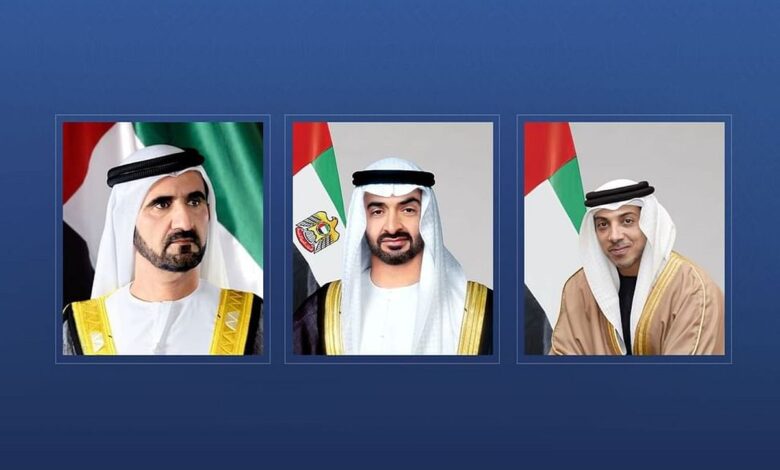
Immediate prior diplomatic activity also highlighted Kuwait’s engagement with neighboring Gulf states. In recent correspondence, leaders from the United Arab Emirates, including President Sheikh Mohamed bin Zayed Al Nahyan, Vice President and Prime Minister Sheikh Mohammed bin Rashid Al Maktoum, and Vice President Sheikh Mansour bin Zayed Al Nahyan, sent messages of condolence to Emir Mishal following the death of Sheikha Intisar Jassem Mohammed Al-Malik Al-Sabah. These gestures underscore the close familial and political ties between the ruling houses of Kuwait and the UAE, a relationship that exists alongside the broader regional dynamics currently being addressed in London.