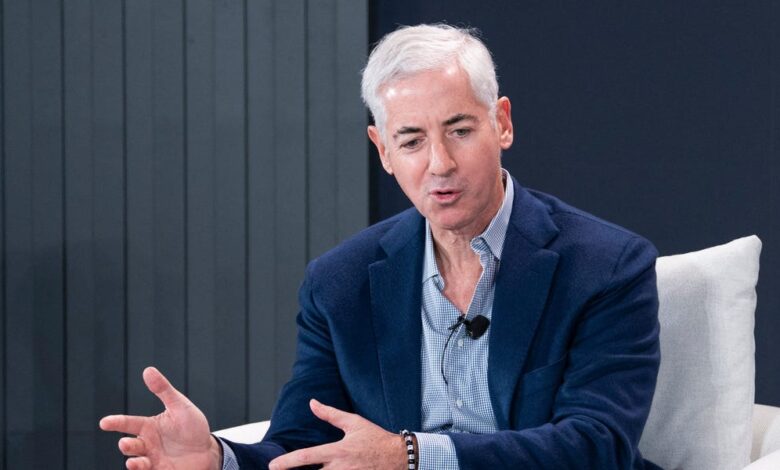
Ackman, who has defended Huang since the founder’s personal matters were publicized, characterized the current state of affairs as an “interesting activist setup.” He argued that because Huang is a heralded founder who owns more than 3% of the company, there would be ample investor support for his return to the CEO seat. However, Ackman emphasized that this support is contingent upon resolving the “legal uncertainties” surrounding the nature of Huang’s actions. According to Ackman, if Huang’s relationships were determined to be a “personal foible as opposed to a corporate defense conspiracy,” there could be a “powerful case” for reinstating him.
The central economic and corporate question here concerns the distinction between personal conduct and national security obligations. Nvidia, a major player in the semiconductor industry, operates in a heavily scrutinized regulatory environment where supply chain integrity and national security compliance are paramount. The revelation that Huang may have been a target of a foreign intelligence effort introduced a layer of corporate risk that extends beyond standard governance issues. Ackman noted that it would be “helpful to know that answer” before pursuing any activist campaign to restore Huang to the executive suite. The uncertainty lies in whether the disclosed affairs compromised the company’s national security obligations or were merely private matters that became public.

Should the legal and factual record clear Huang of wrongdoing related to corporate defense, Ackman described a clear mechanism for reinstatement. He explained that an activist investor could partner with Huang to call a special meeting of shareholders. Under corporate governance rules, such a meeting typically requires a request from holders of at least 15% of the voting power. Huang’s ownership stake of over 3% would not be sufficient alone to trigger this threshold, but his public involvement would serve a dual purpose: it would help meet the procedural requirements and send a public message that the founder intends to return. Ackman stated that in such a scenario, “the writing will be on the wall very quickly,” potentially leading to a resolution without a formal vote, resulting in Huang’s reinstatement and some changes to the board to push the company forward.
Nevertheless, Ackman tempered his hypothetical strategy by stating that it would be “unlikely” for him to be personally involved in such an effort. His comments serve less as a pledge of action and more as an analysis of the market dynamics and shareholder sentiment surrounding the Nvidia board. The investor’s perspective highlights a broader trend in corporate governance where the separation of personal life and corporate duty is increasingly tested, particularly for high-profile technology leaders whose companies hold strategic importance in global markets.
Nvidia’s market position makes the stability of its leadership a material factor for investors and partners alike. The company’s revenue, profit, and future investment strategies are closely tied to the confidence of its stakeholders in its management team. While a spokesperson for Nvidia did not respond to requests for comment, the immediate aftermath of Huang’s resignation has prompted scrutiny of the board’s decision-making process and the potential impact on the company’s operational continuity. The available data suggests that the primary barrier to reinstatement is not a lack of shareholder goodwill, but rather the unresolved legal and security questions that could implicate the company in broader geopolitical or regulatory risks.

The situation illustrates how individual conduct at the top of major corporations can intersect with national security interests, creating a complex web of legal and financial considerations. For investors, the key variable is the outcome of any legal or investigative processes that may clarify the nature of the “foreign intelligence effort” allegations. If these are cleared, the path to reinstatement appears relatively straightforward given Huang’s equity stake and founder status. If not, the board’s decision to accept his resignation may be validated by shareholders as a necessary measure to protect the company’s long-term value and compliance standing.
As the legal uncertainties persist, the focus remains on whether the board will maintain its current stance or reconsider in light of shareholder pressure. Ackman’s remarks suggest that the threshold for activist intervention is high, requiring not just financial support but a clear legal determination that no corporate harm was done. For the time being, the market awaits further clarity on the facts surrounding Huang’s departure, a development that will ultimately determine whether the “interesting activist setup” Ackman described becomes a reality or remains a theoretical possibility.