The timing of these attacks is significant. They came as President Volodymyr Zelensky had earlier warned that intelligence indicated Russia planned strikes for Monday evening and throughout Tuesday. Simultaneously, Ukraine held new online talks with US presidential envoys Steve Witkoff and Jared Kushner, along with European representatives, regarding the prospects of ending the war. Kushner noted that progress was made toward an agreement, though important challenges remained. The juxtaposition of active combat operations against civilian infrastructure and high-level diplomatic engagement underscores the complex strategic environment in which the conflict is currently unfolding.
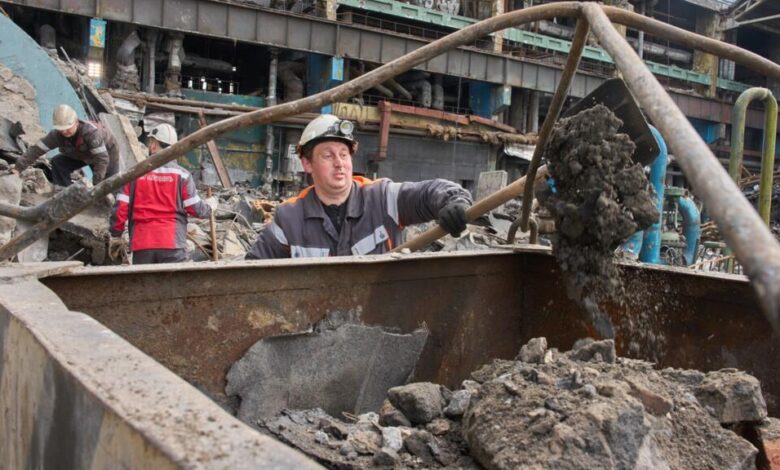
Operationally, the targeting of the North and South bridges represents a continued effort to degrade Ukraine’s logistical and infrastructural resilience. The Dnipro River is a major geographic barrier in Kyiv, and the bridges crossing it are vital for the movement of people and goods. By striking these nodes, Russian forces aim to disrupt the daily functioning of the capital and potentially complicate the internal logistics of Ukrainian forces and civilian populations. Reuters witnesses reported a series of loud explosions in the capital, confirming the intensity of the missile and drone barrage.
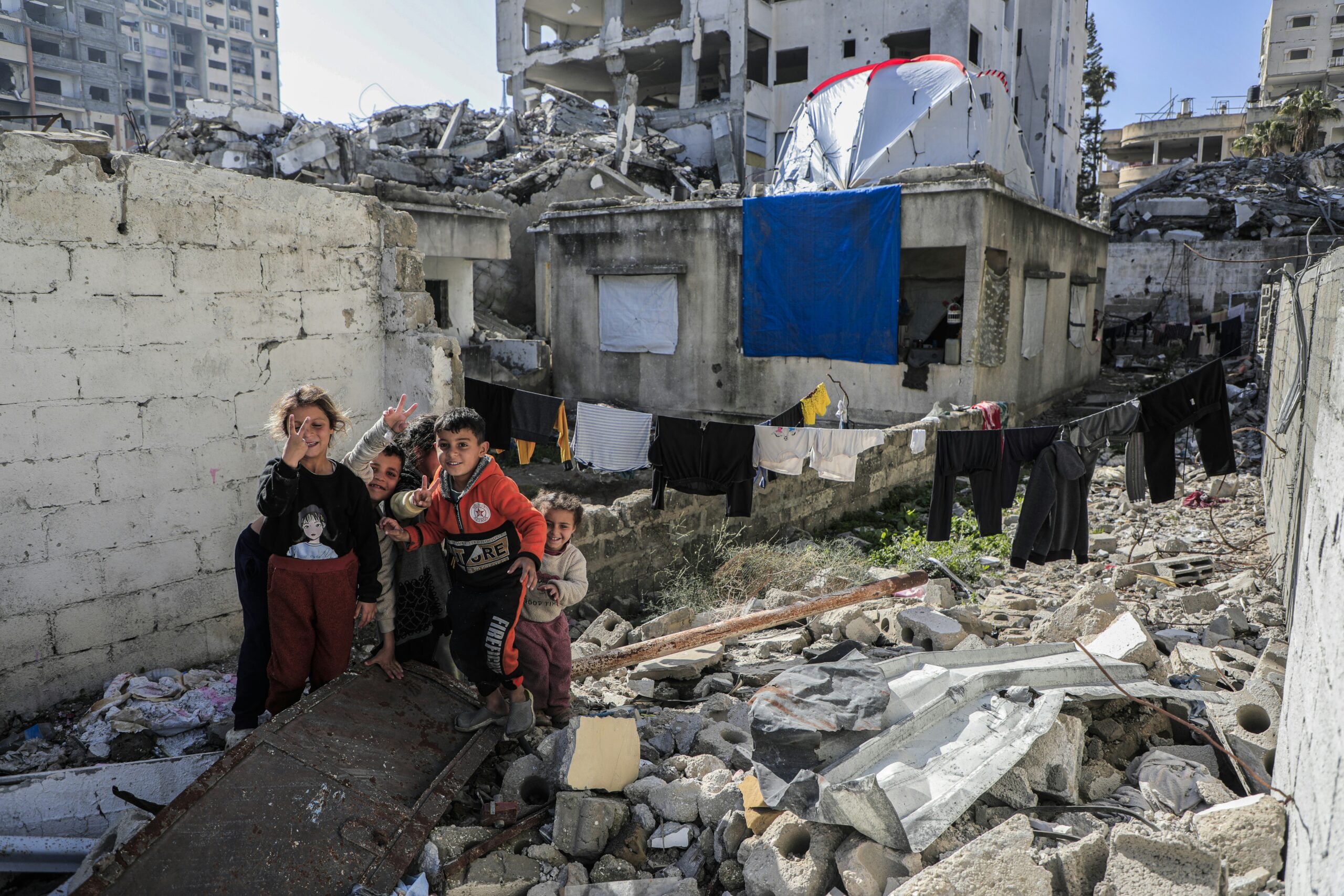
The impact on the civilian population has been immediate and tangible. Following the strikes, Klitschko reported water and power cuts in parts of the city. A subsequent report from France 24 at 02:38 on Tuesday indicated that the attacks had also knocked out heating in parts of the capital. In the context of the approaching winter, the loss of heating infrastructure poses a severe risk to civilian safety and well-being. While both Russia and Ukraine deny deliberately targeting civilians, the destruction of dual-use infrastructure such as bridges and utility networks results in direct humanitarian consequences.
The strikes in Kyiv were part of a coordinated multi-front attack. Local officials reported that a Russian missile attack in the Cherkasy region had injured three people, while Kharkiv, Ukraine’s second-largest city, was also targeted. Reuters could not immediately independently confirm all specific reports from these regions, highlighting the challenges of verifying battlefield claims in real-time. Additionally, the attacks continued overnight with the Crimea Bridge being hit again. According to Russian defense ministry data and Telegram statements, Moscow claimed to have downed nearly 200 drones heading in its direction.
This offensive action by Russia occurred in parallel with Ukrainian counter-strikes. On Monday, Ukraine reported hitting a strategically important bridge and targeting oil refineries in what Russian data described as the biggest overnight drone attack on Russia since the start of the full-scale war in 2022. The Crimea Bridge, which connects the Russian mainland to the annexed peninsula, has been a repeated target for Ukrainian forces, illustrating the symmetry in the use of long-range drones and missiles to target critical infrastructure on both sides of the border.
Strategically, these developments highlight the entanglement of military operations and diplomatic negotiations. President Zelensky’s warning of impending strikes suggests that Ukraine possesses intelligence capabilities that can predict Russian offensive operations, yet the strikes proceeded regardless. The presence of US envoys Witkoff and Kushner in online talks with Kyiv and European representatives signals a sustained international effort to find a resolution. Furthermore, US President Donald Trump indicated that he plans to discuss the war during a highly anticipated meeting with Chinese leader Xi Jinping and Russian President Vladimir Putin in China. This trilateral engagement suggests a broader geopolitical dimension to the conflict, where great power dynamics may influence the trajectory of peace talks.
The limits of the current situation are defined by the gap between diplomatic progress and military reality. While Kushner stated that progress was made, the continued targeting of infrastructure in Kyiv, Cherkasy, and Kharkiv demonstrates that the military pressure has not abated. The strikes on the Dnipro bridges serve as a reminder that the physical security of Ukrainian cities remains fragile, even as political channels remain open. The next confirmed development in this dual-track process will likely be the outcomes of the upcoming international meetings and the continued assessment of damage to Kyiv’s critical infrastructure.