
The interception campaign began in the evening of November 16 and continued into the early hours of November 17. According to Sobyanin’s accounting, the number of intercepted drones exceeded 200 by the time of the main update. Later, after 01:40 local time, the mayor reported an additional 38 intercepted drones, bringing the total claimed intercepts above 238 for the period. This high volume suggests a coordinated or sustained saturation attack, a tactic designed to overwhelm air defense systems. The operational impact on civilian life was immediate: Rosaviatsiya, the Russian air navigation agency, reported restrictions on operations at Moscow’s airports, indicating that the low-altitude threat zone posed a significant risk to aviation safety.
Simultaneously, evidence from independent sources points to significant consequences in the Kursk region, near the Ukrainian border. The Telegram channel Astra reported that around midnight, residents of the city of Kursk heard loud explosions and observed the operation of air defense systems. Subsequent analysis by Astra identified the target as the “Sadowa” 330 kV electric substation, which is reportedly on fire. Unlike the Moscow incident, where official statements were detailed regarding the number of intercepts, the Russian government did not officially confirm the attack on the Kursk substation or its consequences at the time of reporting.
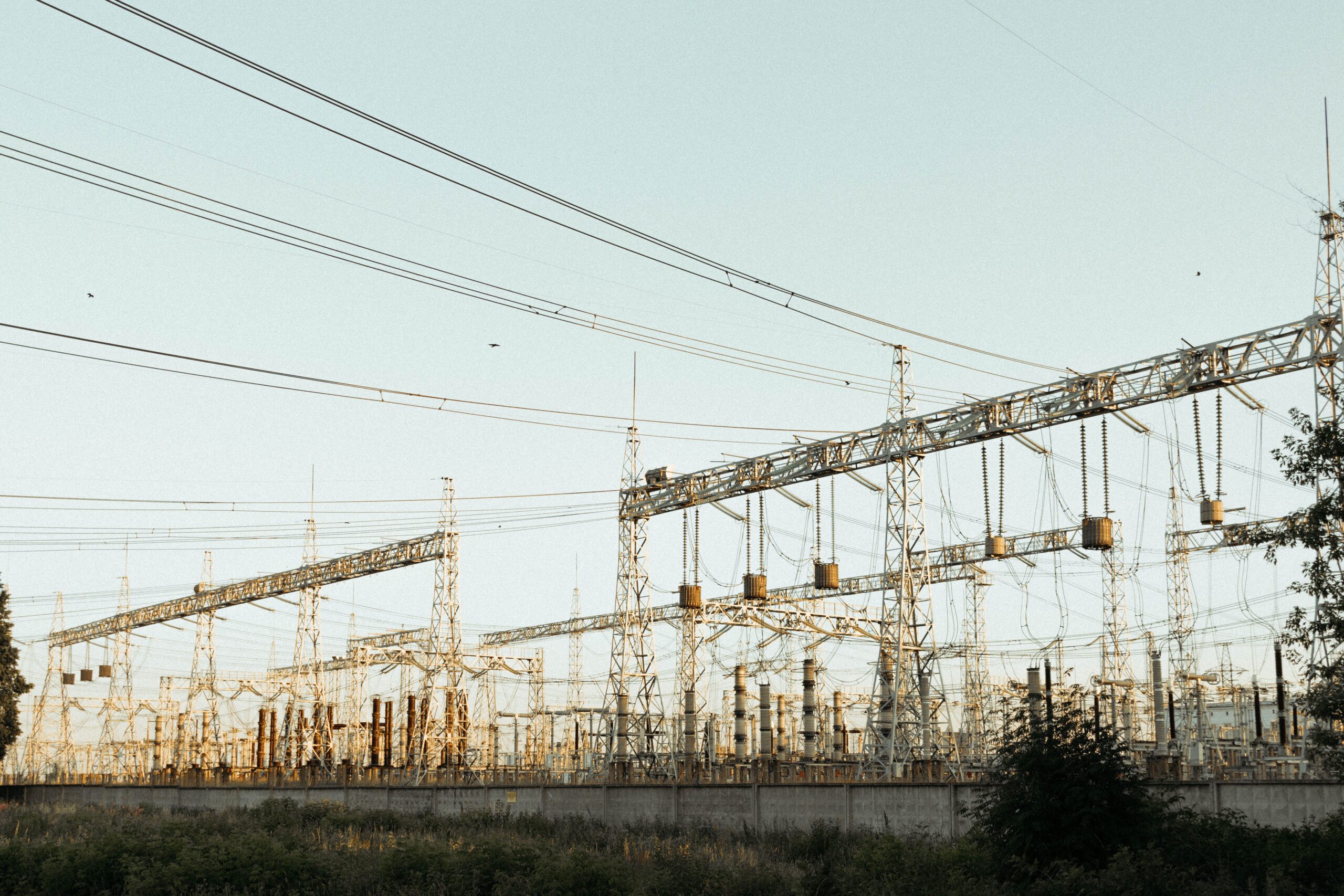
The “Sadowa” substation is a critical node in the regional energy grid, owned by the utility company Rosseti. Located in the northern district of Kursk, it is responsible for supplying electricity to approximately 400,000 residents of the city and surrounding northern areas of the Kursk region. Additionally, the substation powers major industrial enterprises, including the “Pribor” and “Schetmash” factories. The damage to this facility represents a significant logistical and strategic setback, as it disrupts both civilian power supply and industrial production capacity in a region that has been a focal point of recent military tensions.
The dual nature of these events—massive intercepts in the political heart of Russia and infrastructure damage in the border region—illustrates the expanding geography of the conflict. While Moscow has previously faced drone attacks, the reported volume of over 200 intercepts in a single night is notable. It suggests that the attacking force has the capability to launch large-scale salvos, forcing the Russian air defense network into a defensive posture that consumes significant resources and creates temporary disruptions to critical infrastructure such as air traffic control.
From a technical perspective, the use of large numbers of drones saturates point-defense systems. While air defense units in Moscow were able to report high interception rates, the presence of debris falling within the city limits indicates that not all threats were neutralized before reaching populated areas. The lack of detailed official reporting on casualties in Moscow contrasts with the visible physical damage reported in Kursk. In Kursk, the destruction of a 330 kV substation is a tangible indicator of the impact on the energy sector, which is a known target in modern hybrid warfare. The loss of power to 400,000 people and key industrial sites underscores the vulnerability of regional infrastructure to long-range precision or guided munitions.
The discrepancy in official communication between the two locations is also evident. In Moscow, the mayor’s office provided real-time updates and specific numbers, likely to manage public perception and demonstrate control over the situation. In Kursk, the absence of an official statement regarding the substation fire, combined with the reliance on independent Telegram channels for confirmation, highlights the challenges in verifying battlefield claims in contested or sensitive regions. The “Sadowa” substation is described as a key center for the energy system of Kursk and the northern districts, making its impairment a significant operational loss for the local grid.
The broader strategic implication is the intensification of pressure on Russian rear areas. The attacks span from the border region of Kursk to the capital, Moscow, demonstrating the reach of the opposing forces’ air capabilities. For the defense and military establishment, these events necessitate a reassessment of air defense coverage and infrastructure protection protocols. The temporary closure of airports in Moscow and the potential long-term repair needs for the Kursk power grid serve as immediate consequences of the strike. As emergency services work to clear debris in Moscow and assess the damage in Kursk, the incident stands as a testament to the evolving nature of aerial warfare, where volume and persistence are used to test the limits of national defense systems and critical infrastructure resilience.



2 Comments