
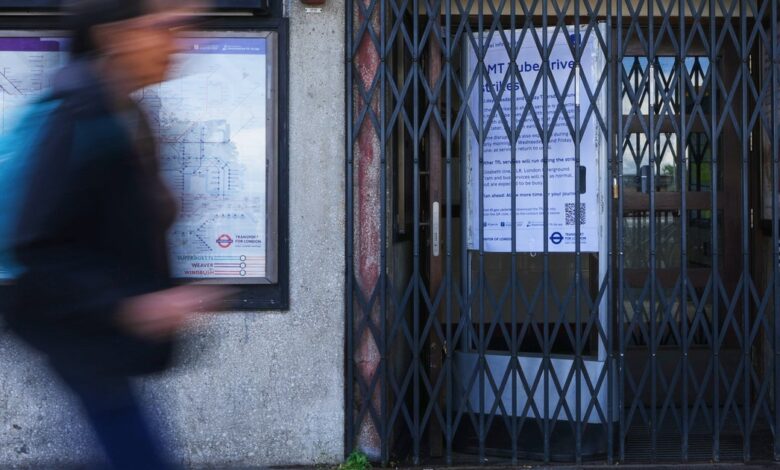
The immediate action involves the Transport Salaried Staffs Association (TSSA), whose members voted unanimously to walk out in support of a service control worker. The union describes the employee’s termination as an unfair dismissal and alleges that TfL’s investigation team improperly accessed and shared the worker’s private information. TfL disputes these claims, stating that the employee was dismissed for gross misconduct after being found to have worked a second job while receiving full company sick pay. Lee Stewart, head of London Underground service control for TfL, characterized the strike as “unjustifiable,” while TSSA general secretary Maryam Eslamdoust argued that the action reflects the “real depth of feeling” among members regarding their colleague’s treatment.
This industrial action is set against the backdrop of a continuing dispute between the RMT and TfL regarding the voluntary introduction of a four-day working week with condensed hours. RMT general secretary Eddie Dempsey stated that the union is not opposed to a genuine four-day week but rejects schemes that threaten job cuts and erode terms and conditions. Under the current proposals, the working week for most drivers would reduce from 36 to 35 hours, with contractual hours remaining unchanged due to the introduction of paid meal breaks. Dempsey criticized the plan, stating, “There is nothing voluntary about a scheme that forces drivers to give up existing protections… and threatens those who refuse with displacement from their depots.”
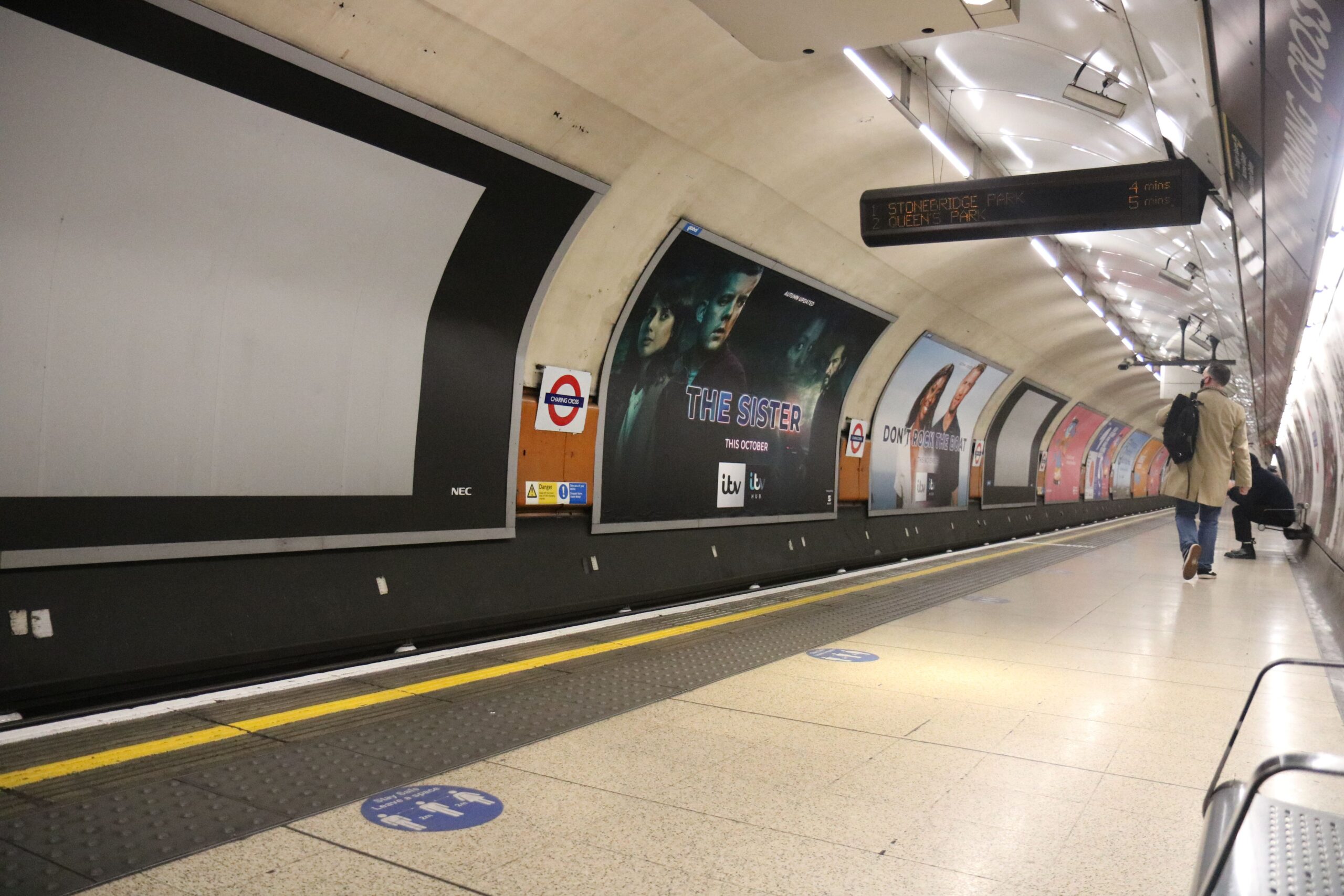
The combined effect of the TSSA and RMT actions is expected to cause significant disruption. TfL advised passengers to complete journeys by 10:30 a.m. on Friday, as services on the Piccadilly and District lines began to pare down before the strike started. No service is expected on the Piccadilly line or the section of the District line between Earl’s Court and Richmond/Ealing Broadway until 11:59 a.m. on Saturday, November 21. The Night Tube on these lines is also affected, though the Piccadilly Night Tube between Hammersmith, Heathrow, and Uxbridge will remain closed until Sunday due to planned maintenance unrelated to the strikes. Other lines, including the Overground and Elizabeth line, are operating as usual, though they may be busier than normal.
Further disruption is planned for the remainder of the year. The RMT has announced eight more days of strike action from 26 November into the new year. Additionally, a strike is planned for “Super Saturday” on 19 December, traditionally the capital’s most significant shopping day in the run-up to Christmas. During previous strikes in June, Tube journeys fell by 40%, while bus usage rose by 4%, London Overground journeys increased by 4%, and Elizabeth line journeys rose by 18%. TfL noted that while only RMT drivers are walking out in the current dispute—representing roughly half the total number of drivers—the combined impact with TSSA action significantly reduces network capacity.




One Comment